


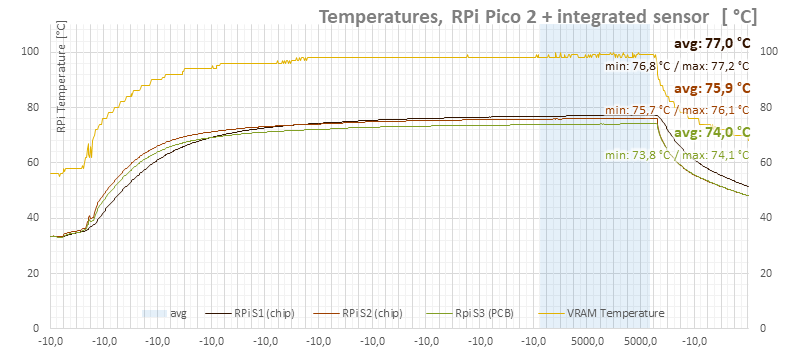
Radeon RX 9070 XT cards use GDDR6 from multiple vendors. The biggest differences between Samsung and Hynix appear in temperature and power—Samsung runs notably cooler. Earlier tests with automatic fan control confirmed this. Today I’m adding a temperature comparison at equal fan speeds and, alongside internal sensor data, surface temperatures measured on the chips. That gap is much smaller than expected.
Operating characteristics comparison: Hynix vs Samsung
The first set of images is a comparison of operating characteristics at default settings. It’s here mainly so we can see what influence the GPU and hotspot temperatures have on the regulation settings and fan performance. For some reason, the card with Samsung chips has a significantly higher hotspot, so its fans run at 2748 RPM after warming up, while on the other unit it’s only around 1780 RPM.
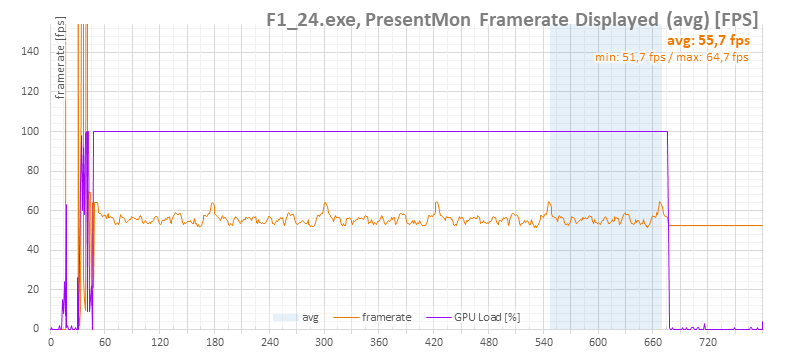
The first graph shows frame rates. The performance difference is within the margin of measurement error.

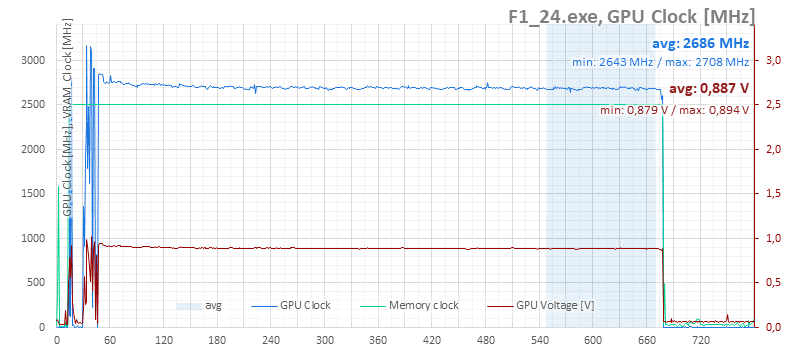
The chip clock speeds don’t differ significantly despite the temperature difference.

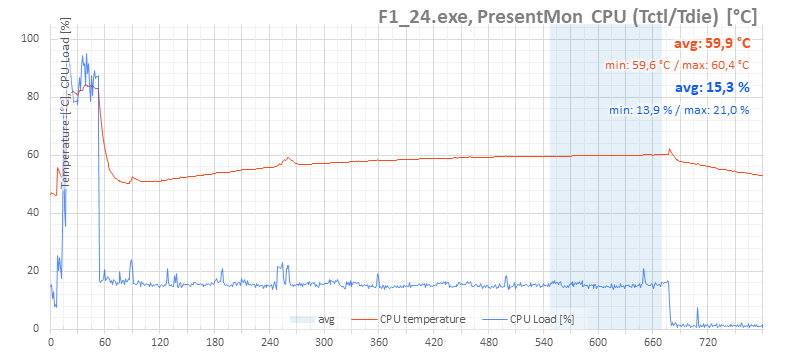
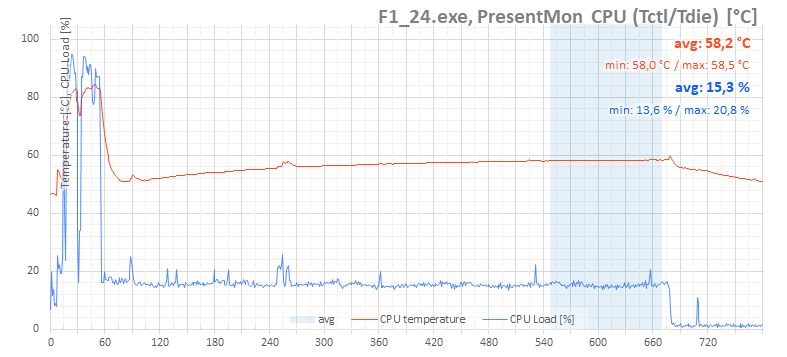
The following graph shows, for reference, the average CPU utilization and its temperature during the test.
The differing fan speeds are caused by the significantly higher hotspot temperature on the card with Samsung chips.
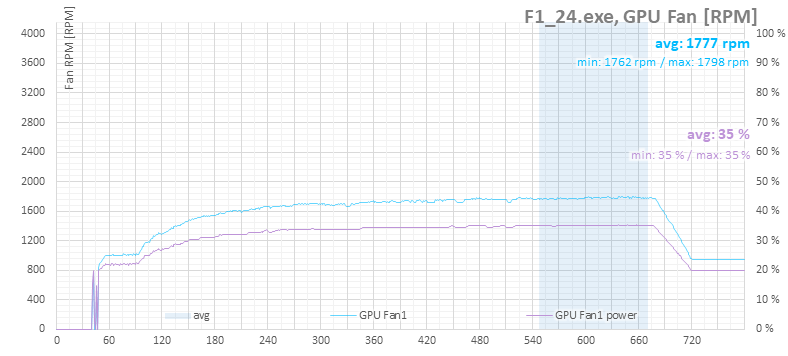

This is clearly visible in the temperature graphs, where the average GPU temperature of the second card (with Samsung chips) is lower than that of the card with Hynix chips, and yet its fan speeds are significantly higher because the chip is approaching values that trigger the over-temperature protection.
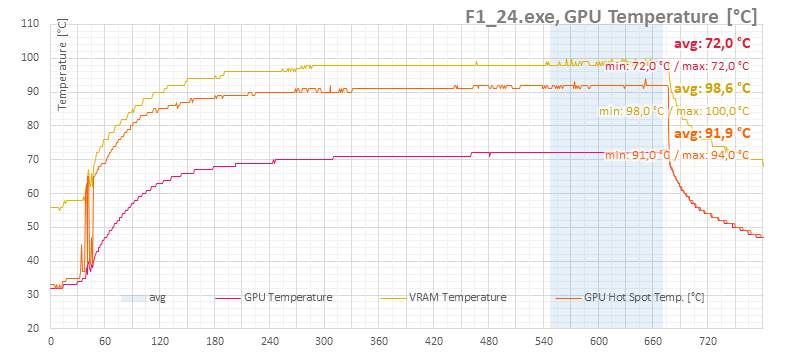
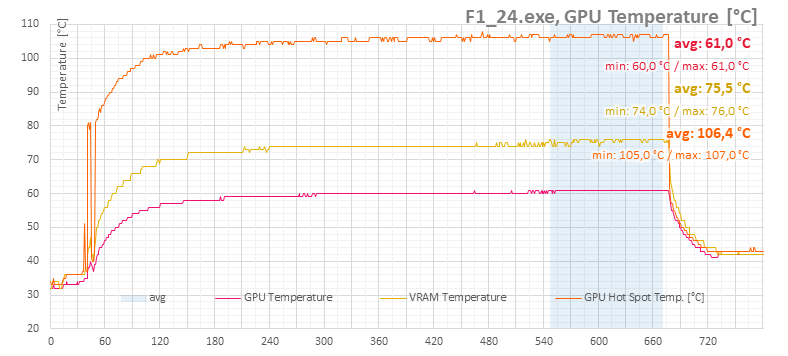
The memory chip temperatures definitely differ, but with such a difference in fan performance, it’s hard to say to what extent this is due to the fan performance and to what extent it’s a question of the chips themselves.

The following values are from the card’s monitoring. They show that the difference in memory chip power draw should be only a few watts in favor of the Samsung chips.
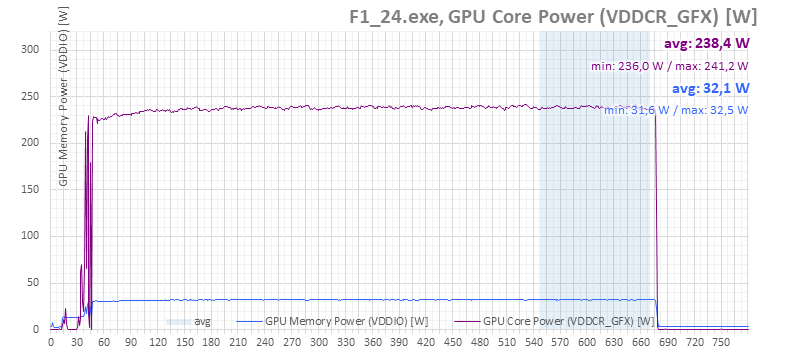
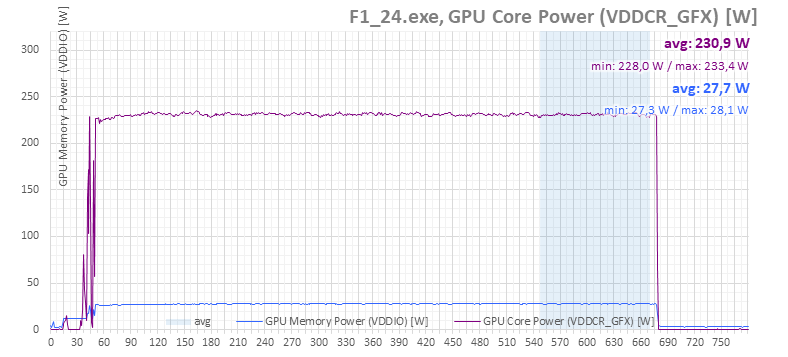
Despite their lower power consumption, the total board power doesn’t differ; it’s limited by the regulation at the set power limit level. So, whatever the card saves on the memory, the regulation adds back to the chip. In the clock speed graphs above, you can see the chip running at slightly higher clock speeds and higher voltage.


⠀



