Hynix vs Samsung on RX 9070 XT: in-depth GDDR6 thermal analysis

Radeon RX 9070 XT cards use GDDR6 from multiple vendors. The biggest differences between Samsung and Hynix appear in temperature and power—Samsung runs notably cooler. Earlier tests with automatic fan control confirmed this. Today I’m adding a temperature comparison at equal fan speeds and, alongside internal sensor data, surface temperatures measured on the chips. That gap is much smaller than expected.

Operating characteristics comparison: Hynix vs Samsung

In the next set, the fan speeds on the RX 9070 XT with Hynix chips are fixed to values similar to those the card with Samsung chips had after warming up. Doing the opposite—lowering the fan speeds on the card with Samsung chips—wouldn’t be possible without reducing the power limit, as the hotspot would get too high.

The first graph shows frame rates. The performance difference is again more likely a measurement error.
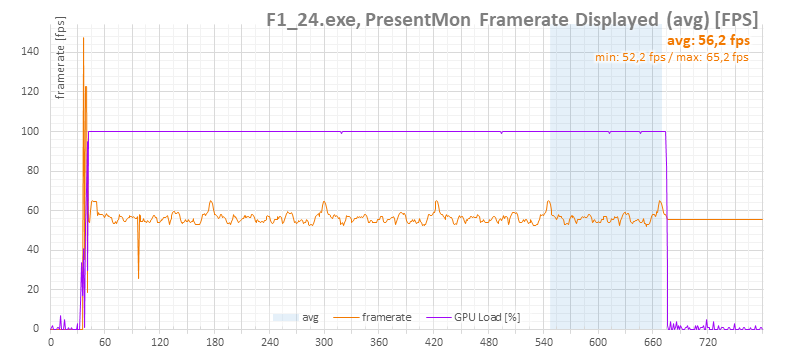
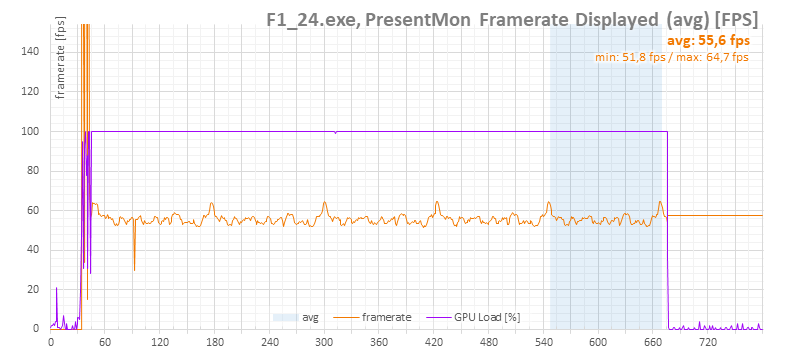
GDDR6 HynixGDDR6 Samsung


The card with Hynix chips now fares slightly better with clock speeds under improved cooling. But this is more likely due to chip-to-chip variation.
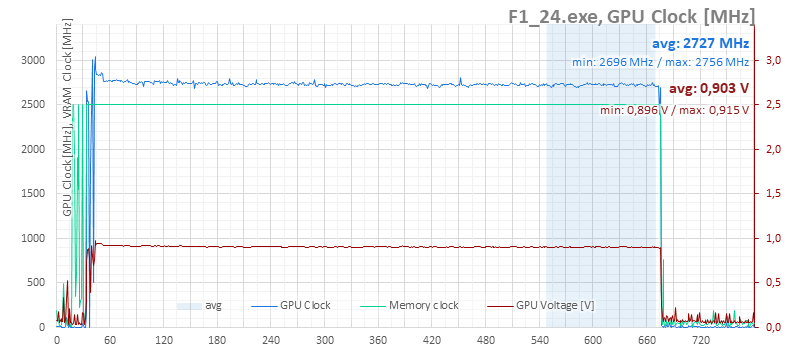
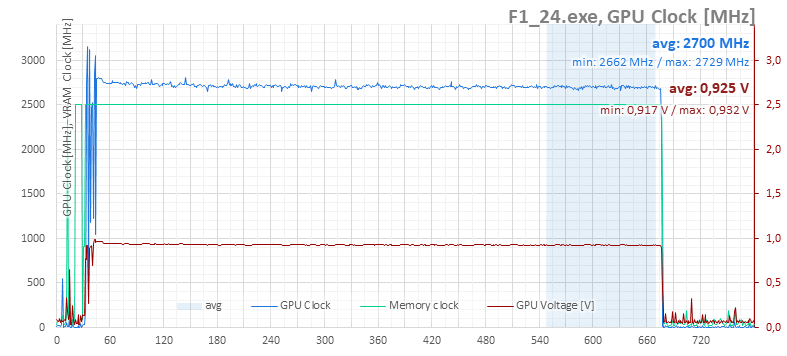
GDDR6 HynixGDDR6 Samsung


The average CPU utilization and its temperature during the test are shown again for a complete picture.
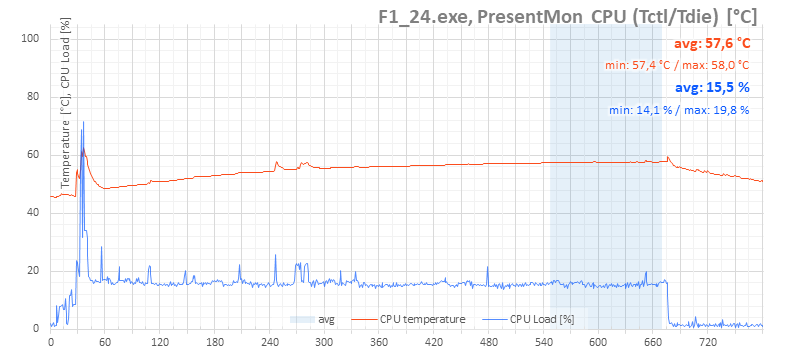
GDDR6 HynixGDDR6 Samsung


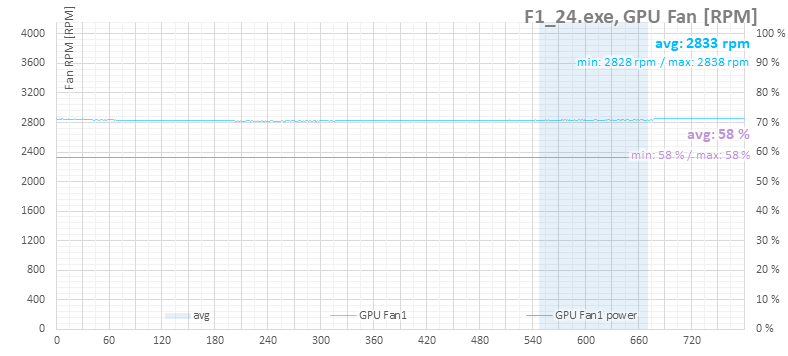
The fan speeds are almost identical.
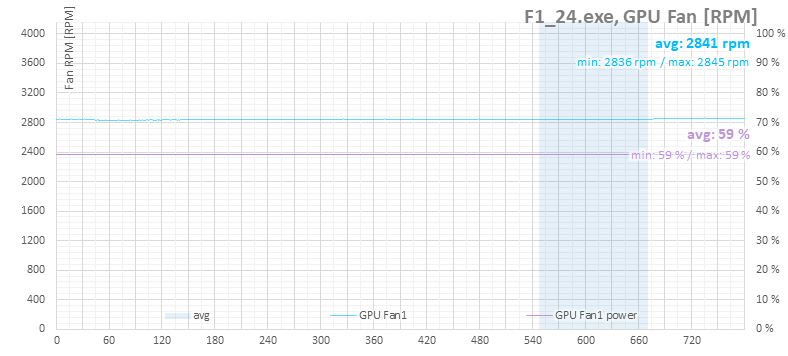
GDDR6 HynixGDDR6 Samsung


The average GPU temperature is now the same, but the hotspot temperature differs significantly. The difference on the memory is smaller; the Hynix chips read 88–89 °C according to the sensors, while the Samsung chips are only at 74 °C.

GDDR6 HynixGDDR6 Samsung


However, a different picture emerges from the temperatures recorded by the external sensors. The temperature on the chip packages under the smaller part of the heatsink differs by only 1 °C, under the better-cooled part the difference is about 3 °C, and underneath the memory, the difference is less than 1 °C. So externally, it’s far less dramatic than with the internal sensors.
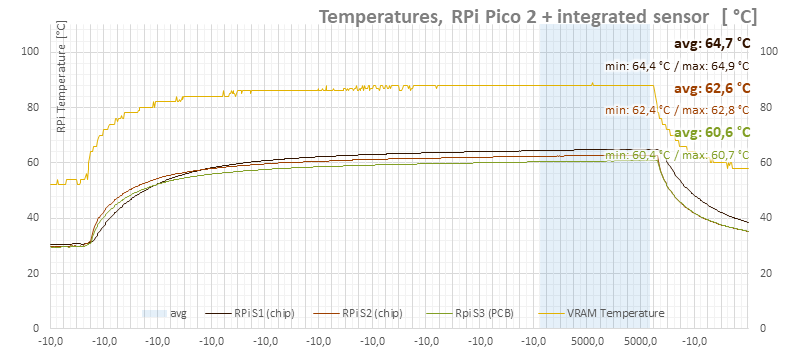
GDDR6 HynixGDDR6 Samsung


The following values are from the card’s monitoring. The difference in memory chip power draw should only be a few watts in favor of the Samsung chips.
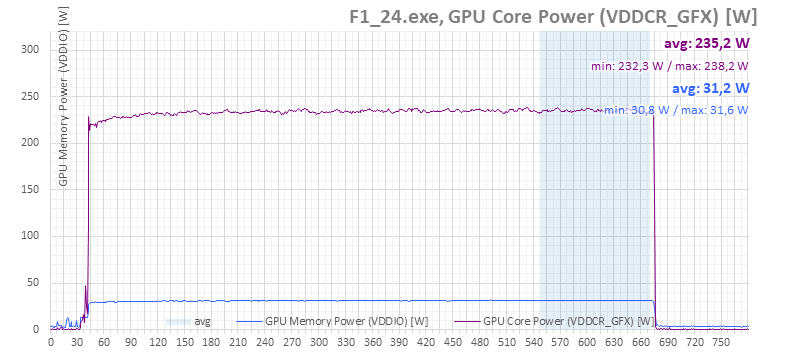
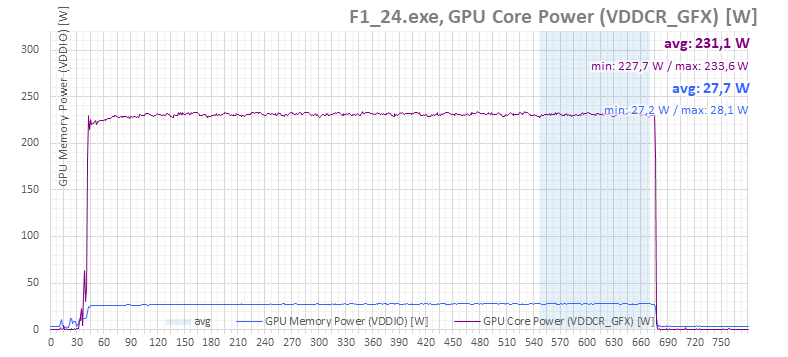
GDDR6 HynixGDDR6 Samsung

The total power draw of the card and the system again does not differ significantly.
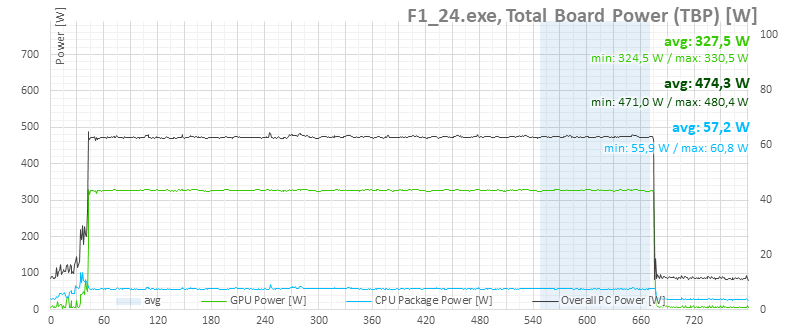
GDDR6 HynixGDDR6 Samsung


⠀

HWiNFO Now Shows Temps of Individual Video Memory Chips

Not long ago, HWiNFO gained the ability to monitor GPU hotspot temperatures—local hotspots with significantly higher temps than the average having been reported by Nvidia chips. This has been followed by another improvement in graphics card temperature monitoring. You will now be able to look at the temperatures of all memory chips on the card, which can reveal cooling problems in much the same way as the GPU hotspot temperature. Read more “HWiNFO Now Shows Temps of Individual Video Memory Chips” »

Graphics cards to get more expensive, board partners raise prices

Most hardware is getting more expensive and unfortunately graphics cards are joining the trend. According to Asian sources, major board partners are now raising GPU prices due to increasing costs of GDDR6 and GDDR7 graphics memory. In the short term, this is expected to push prices up by 15–20 %. That may not be the final outcome, however, as further increases could be driven by reduced GPU supply due to supply-and-demand dynamics. Read more “Graphics cards to get more expensive, board partners raise prices” »

Overclocking RX 9070 XT Memory: Samsung or Hynix — Who Wins?

Manufacturers ship RX 9070 XT cards with GDDR6 memory from either Hynix or Samsung. Clocks are the same, yet performance and thermals can differ slightly—and the same goes for overclocking. Samsung chips tend to reach higher memory clocks, which suggests better performance, but it isn’t that simple. We will compare the practical differences between both variants using the same card: Gigabyte’s Radeon RX 9070 XT Gaming OC. Read more “Overclocking RX 9070 XT Memory: Samsung or Hynix — Who Wins?” »

Leave a Reply

Your email address will not be published. Required fields are marked *