Radeon RX 9070 XT cards use GDDR6 from multiple vendors. The biggest differences between Samsung and Hynix appear in temperature and power—Samsung runs notably cooler. Earlier tests with automatic fan control confirmed this. Today I’m adding a temperature comparison at equal fan speeds and, alongside internal sensor data, surface temperatures measured on the chips. That gap is much smaller than expected.
Operating characteristics comparison: Hynix vs Samsung
In the final measurement, we increase the fan speeds even more.
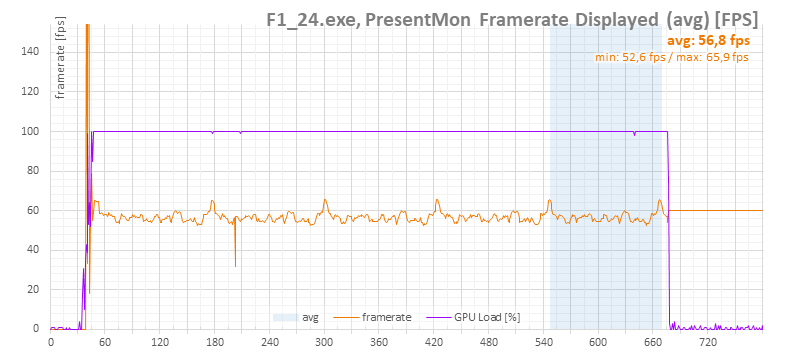
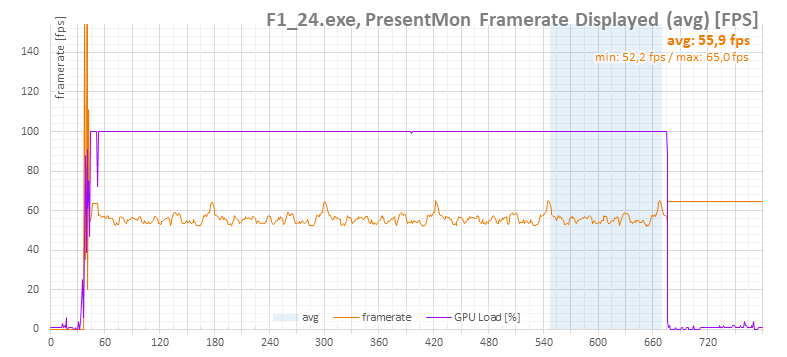
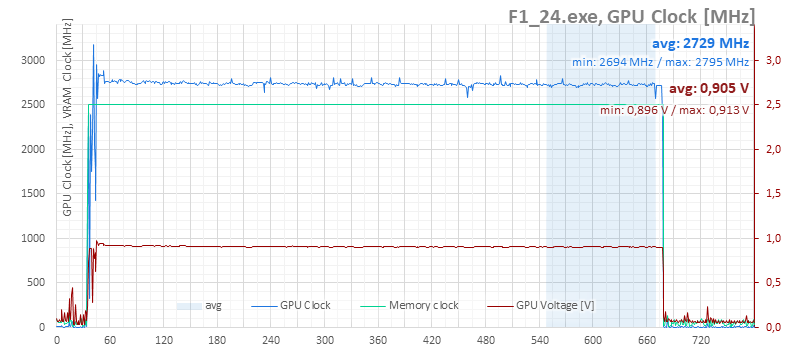
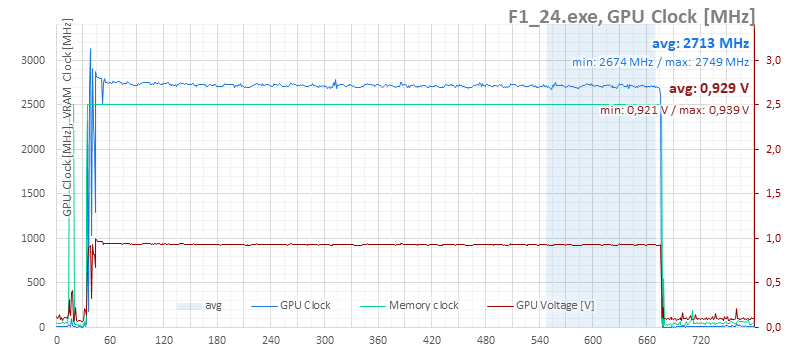
Chip clock speeds again differ only by tens of megahertz.
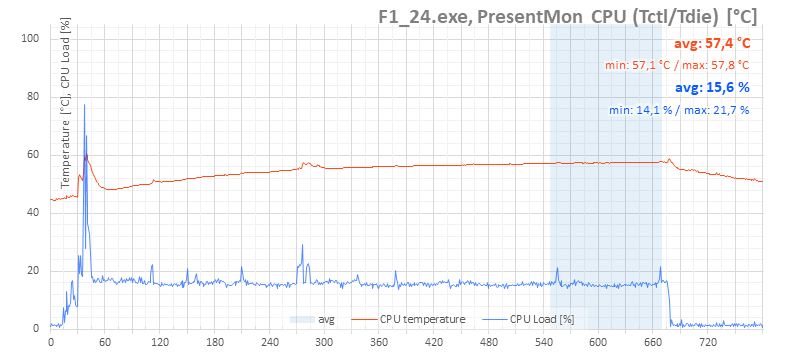
The average CPU utilization and its temperature during the test are again similar.

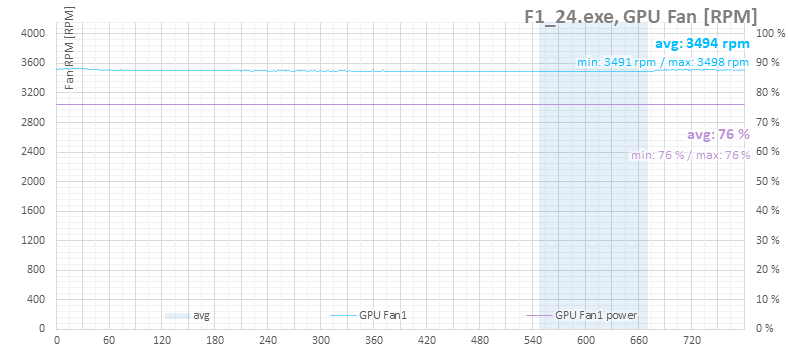
I wasn’t able to synchronize the fan speeds as precisely as in the previous chapter, but at 3500 RPM, a 20 RPM difference isn’t particularly dramatic.

The average GPU temperatures are again similar, while the difference for the hotspot and memory temperatures measured via internal sensors is dramatic.


But the same drama does not occur on the chip packages, where the differences are in the low single digits of degrees Celsius.
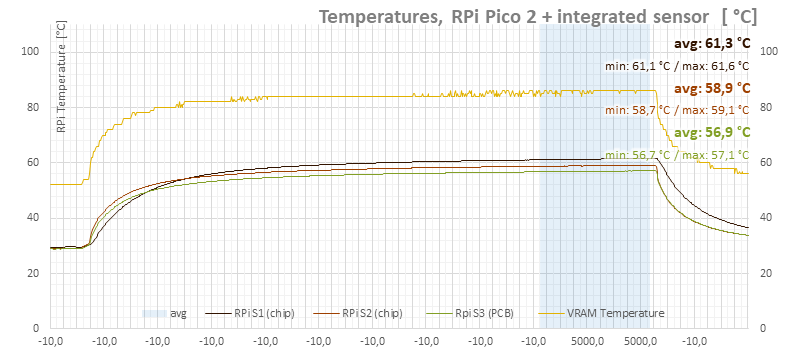
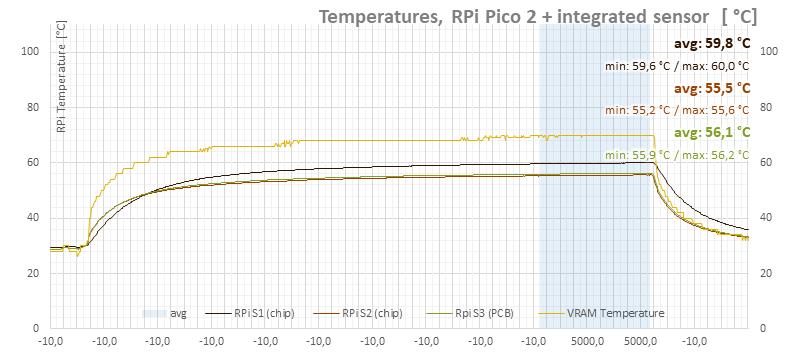
The power draw measured at the memory power phases again does not differ dramatically—not enough to explain such a pronounced temperature difference.

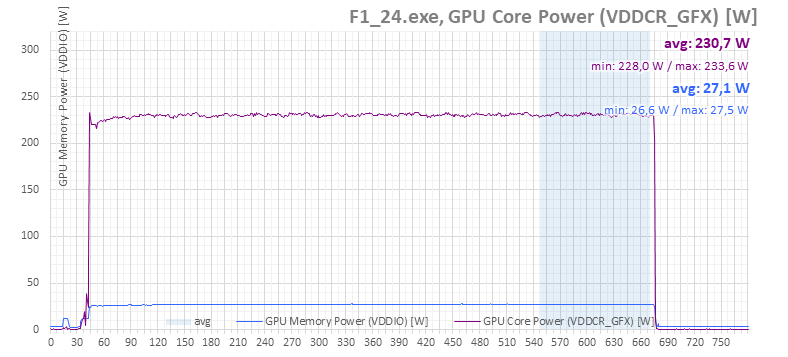
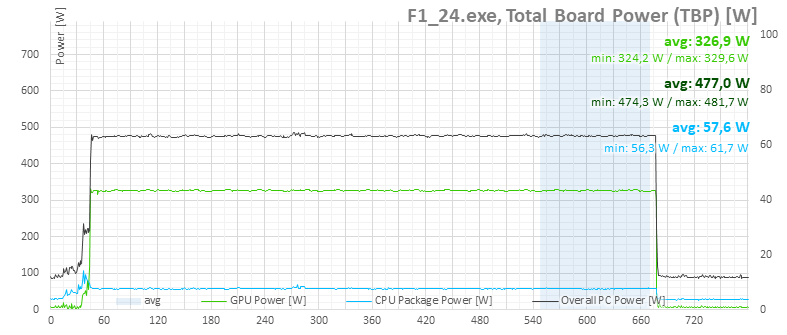
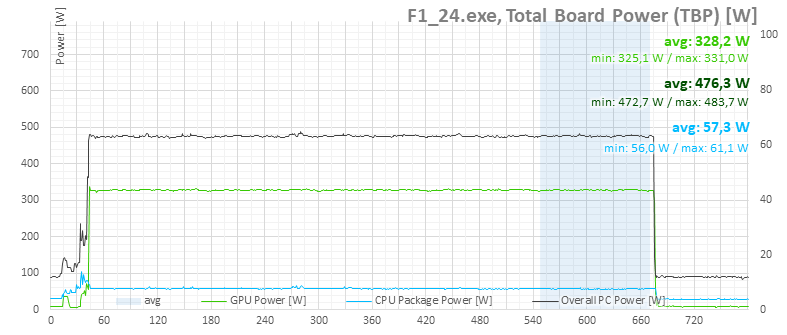
Finally, a check to see if the system dissipated the same amount of heat in both cases—neither the card’s power draw according to monitoring nor the total system power draw shows a difference greater than 2 W.
⠀