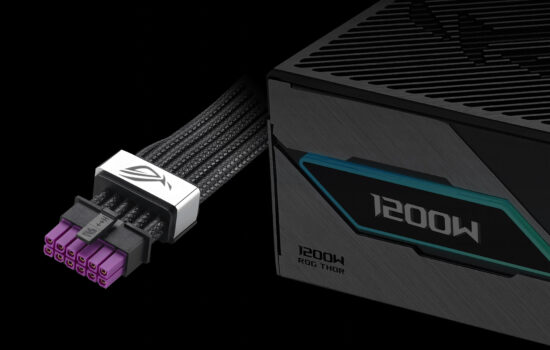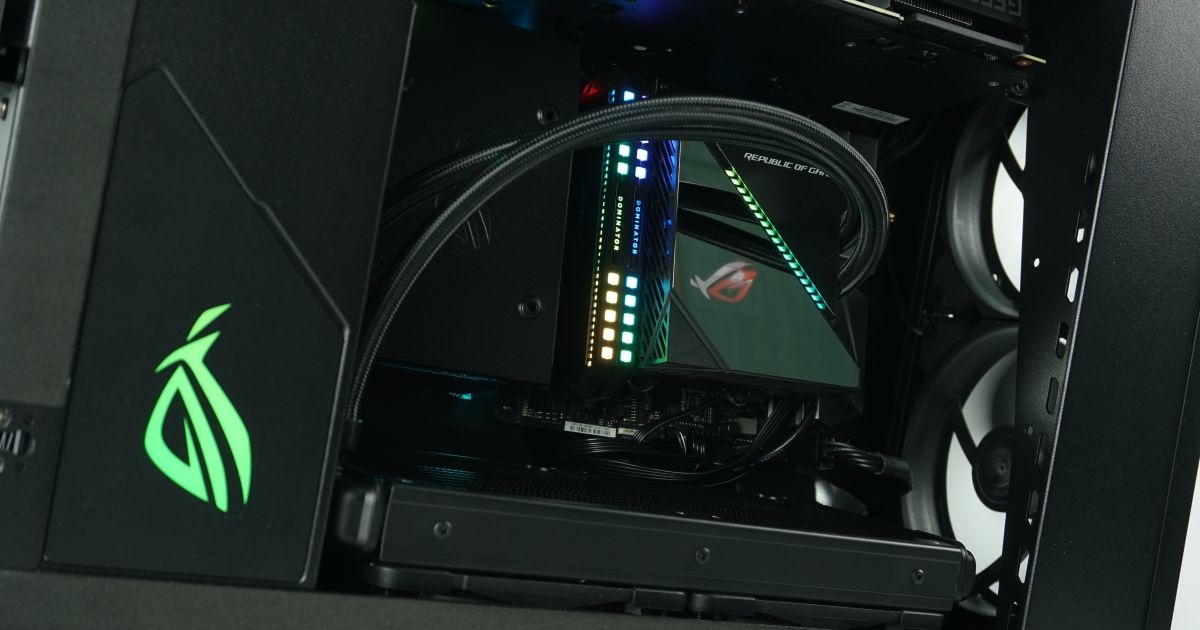
A very untraditional and relatively unique case has come to our editorial office. It is the ROG Z11, which the manufacturer introduced at the beginning of the year at CES 2020. The case hides several specialties, such as the possibility of vertical and horizontal positioning or a slightly curved motherboard tray. To make matters better, we fitted the case more or less exclusively with ROG components, thus creating a kind of full-on Asus build.
3DMark – combined load
We saw the effect on the CPU performance in Blender, but what does it look like with a combined CPU and GPU load? See this in the 3DMark (Fire Strike) test.

The processor clock speed is again a bit higher with water cooling, which confirms the scenario from Blender.
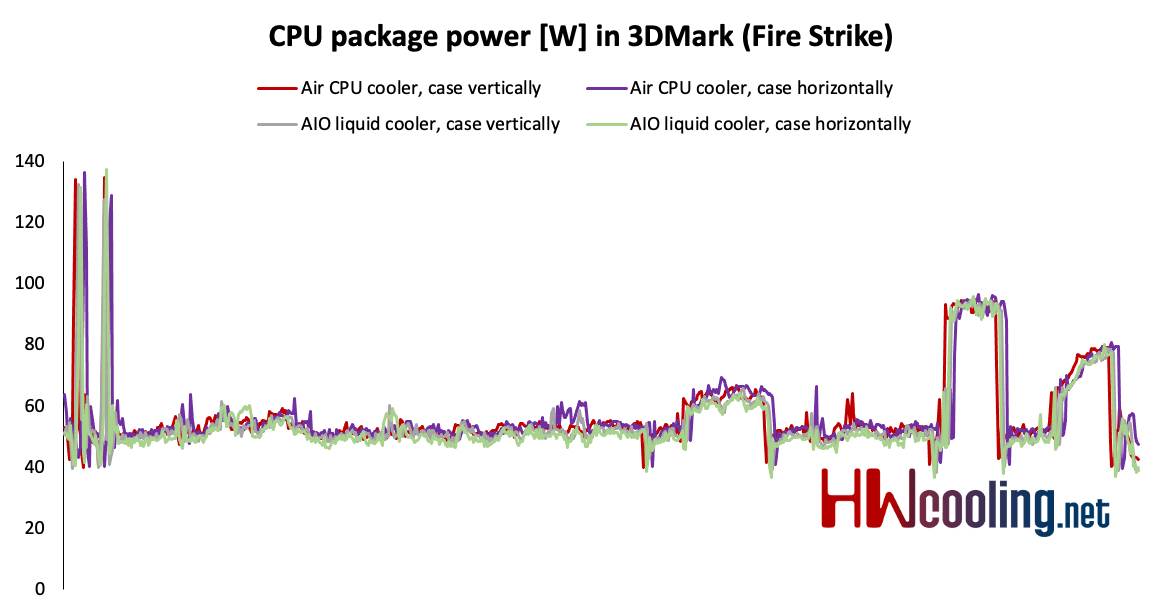
Differences in power draw are minimum.
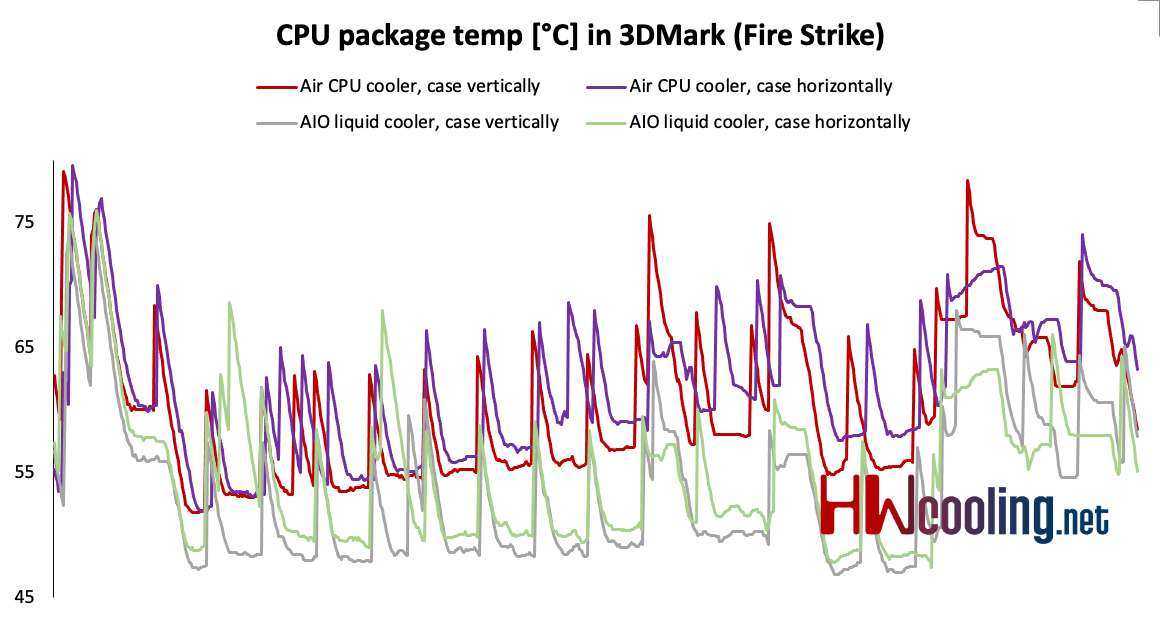
So far, you can see the biggest differences in CPU temperatures. The air is worse again, it’s no surprise. Compared to Blender, however, the difference has increased and now it looks like 5 degrees Celsius. The water comes out best vertically, the worst is air horizontally, although the air vertically has high fluctuations.
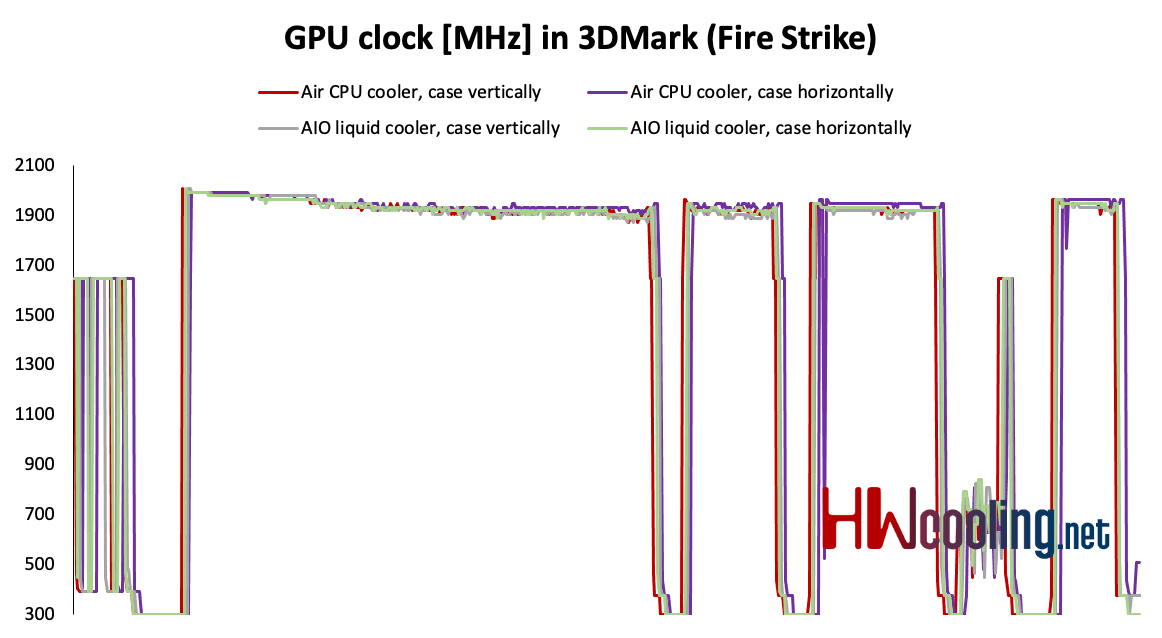
How’s the graphics card? No differences in the load as with Blender, so the GPU always works at full speed.
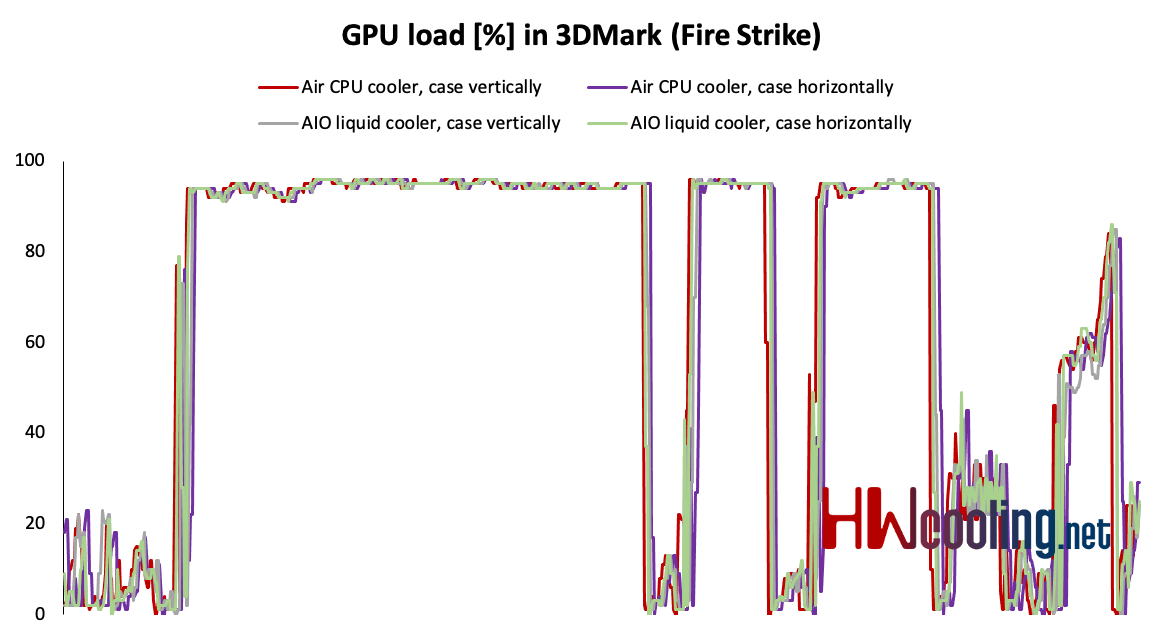
The GPU load and clock are more or less the same in all modes, without significant differences.
Slightly larger fluctuations are visible in power consumption, but the differences are still relatively small.

The most interesting is the graph of temperature progress. It shows us that for the GPU, the best solution is air horizontally, which achieved the worst CPU results though. On the contrary, we see the worst result with water vertically. Air vertically and water horizontally are almost identical.

From all the tests, it looks like a winning solution is AIO and the case in horizontal position.