The information embargo on Radeon RX 9060 XT test results has been lifted. Let’s take a look at how the new Radeon stacks up against the competing GeForce RTX 5060 and RTX 5060 Ti. The 16GB variant is priced closer to Nvidia’s 8GB models and offers a better price-to-performance ratio than the 16GB RTX 5060 Ti. The more affordable Sapphire Pulse RX 9060 XT model adds great thermal and acoustic performance on top of that.
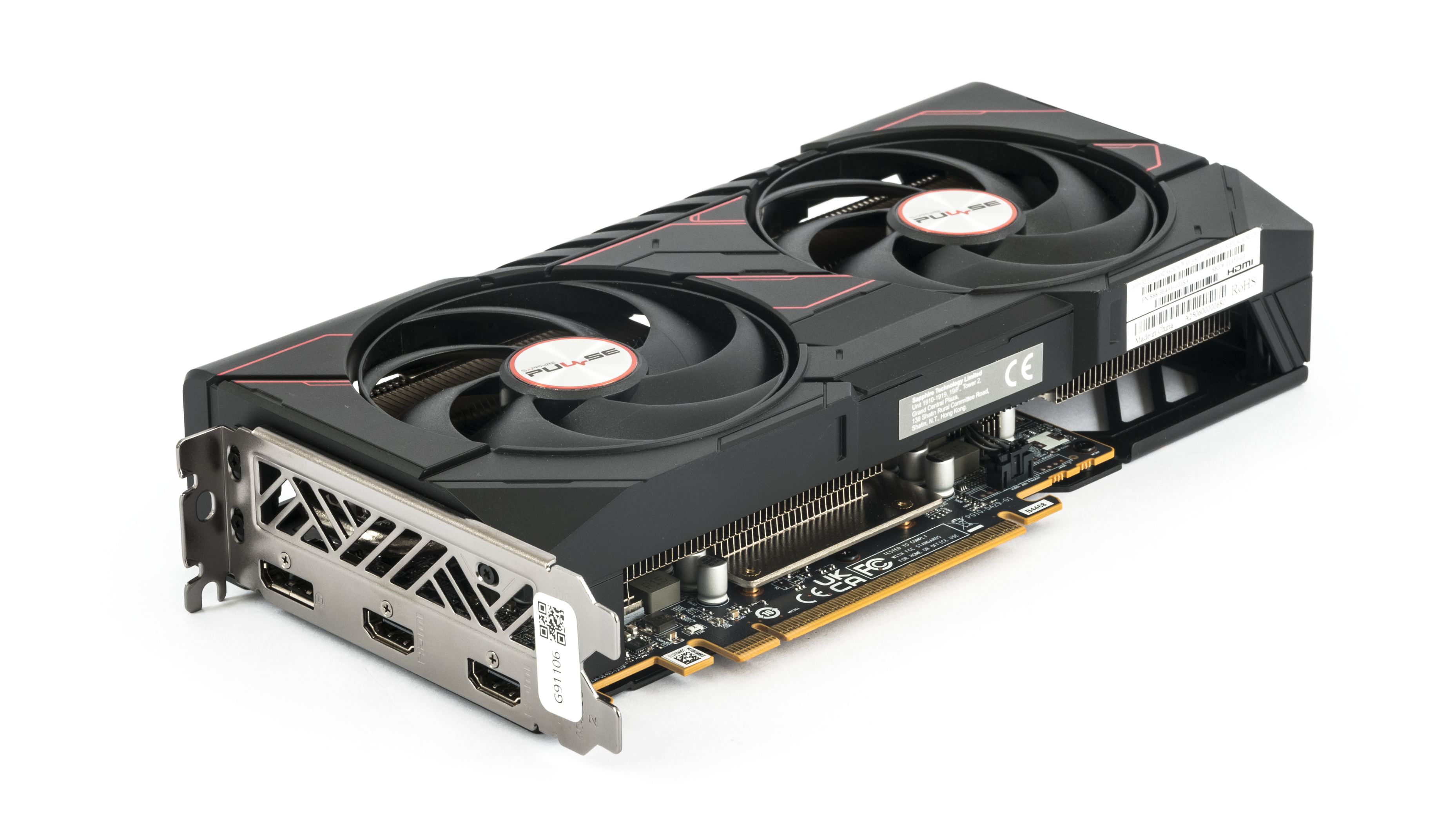
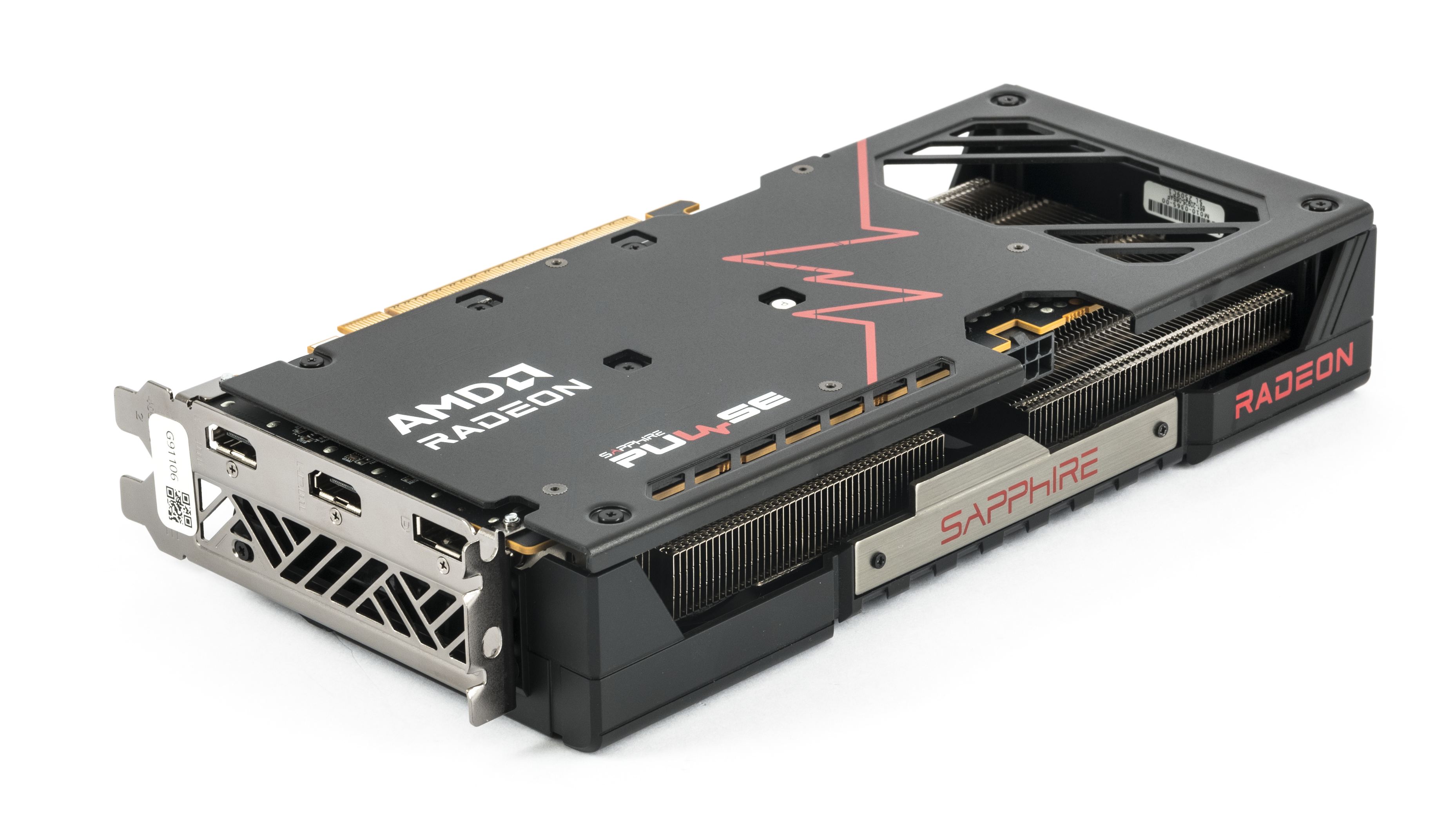
The card is equipped with a cooler that slightly exceeds the height of two slots. It features a black plastic shroud with red printed accents, and a metal Sapphire logo badge on the side. The shroud houses two fans that cool a compact heatsink with transverse fins.


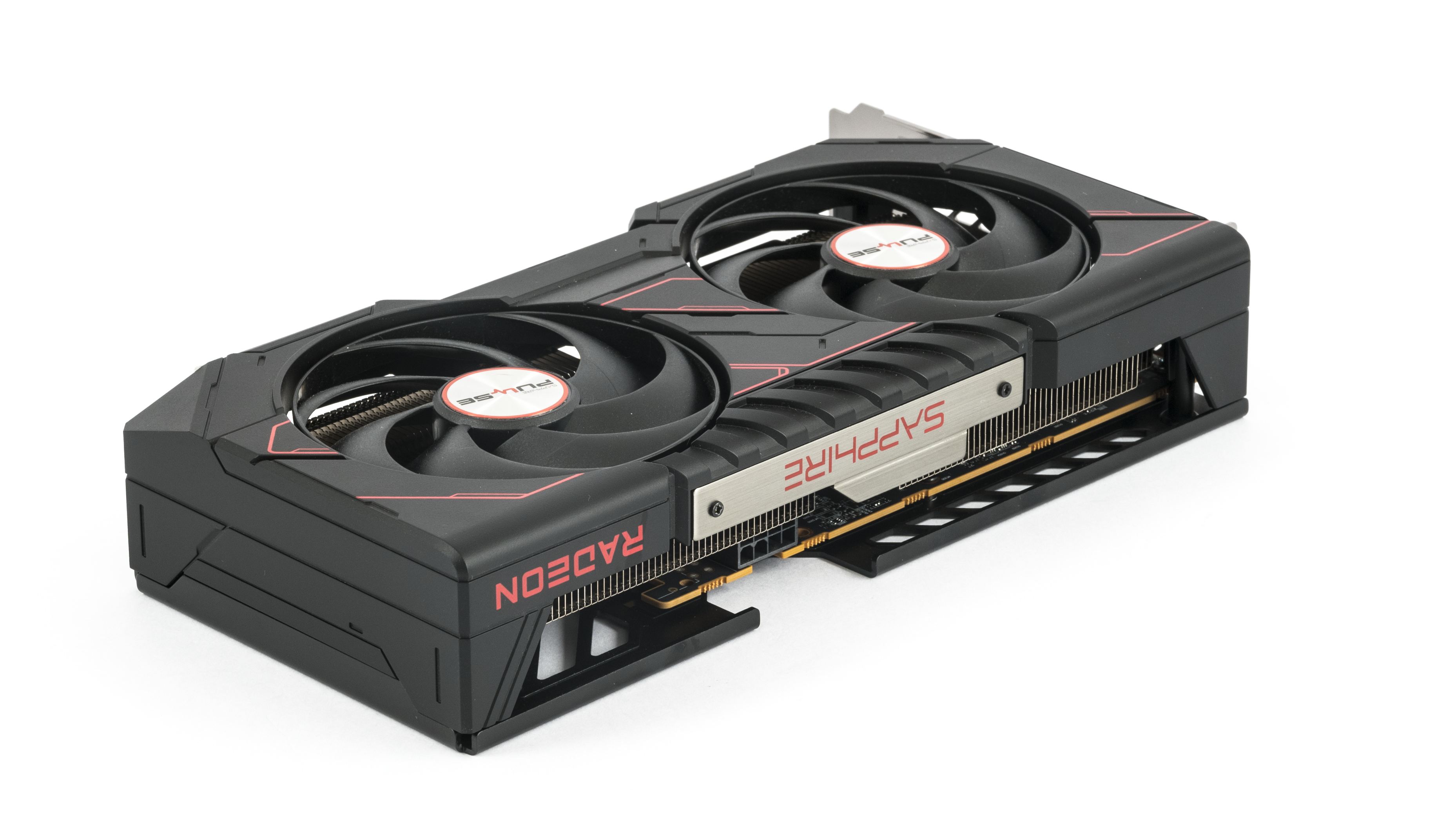
The backplate on the rear of the card is metal. At the back, there’s a cut-out through which some of the warm air can flow upward above the card. All screws securing the plastic shroud to the heatsink are accessible from the underside of the card, so it can be removed without detaching the heatsink from the GPU.
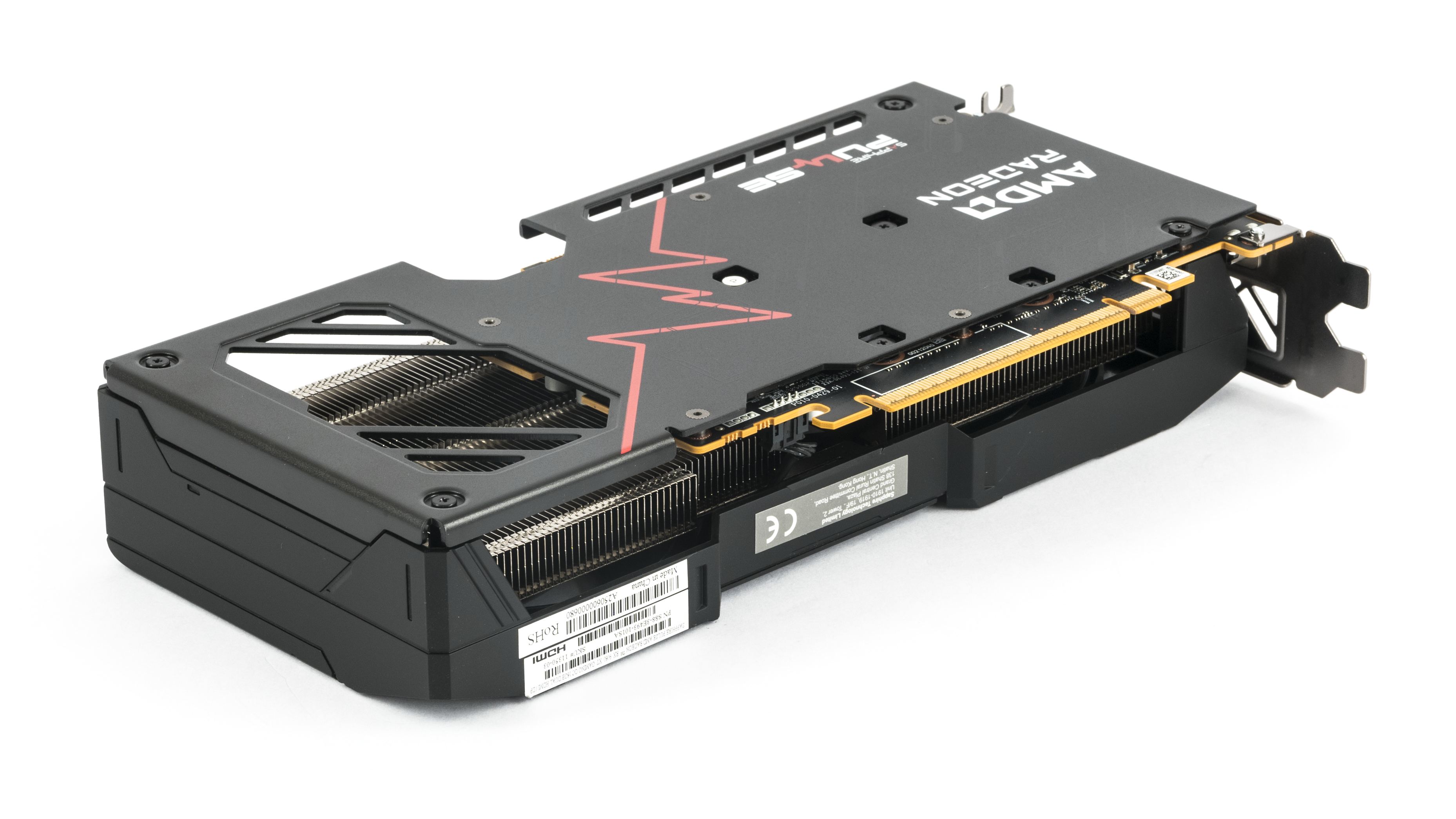
From above, you can see that a large portion of the rear fan is unobstructed.

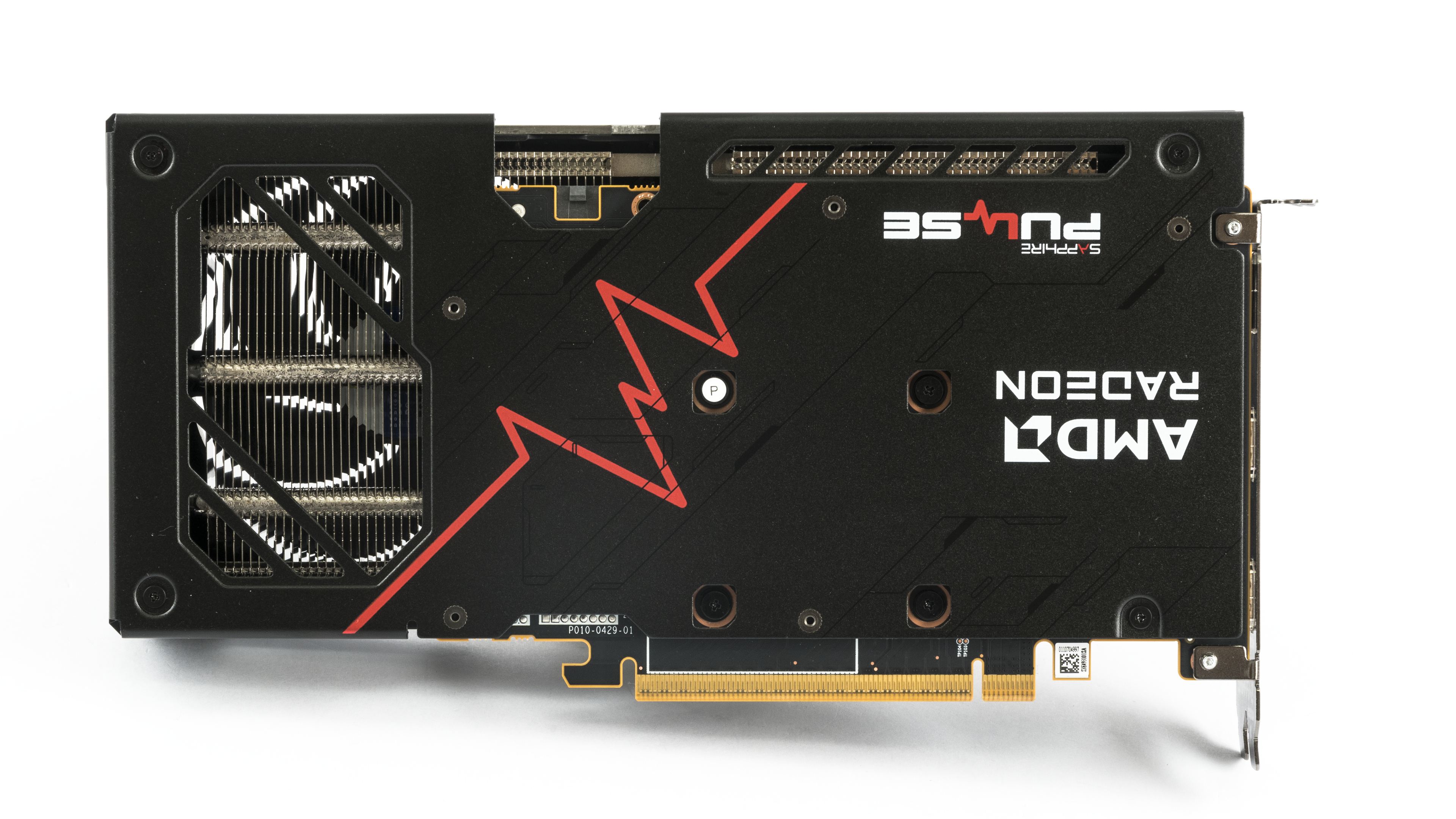
The space beneath the shroud is slightly more open this time.

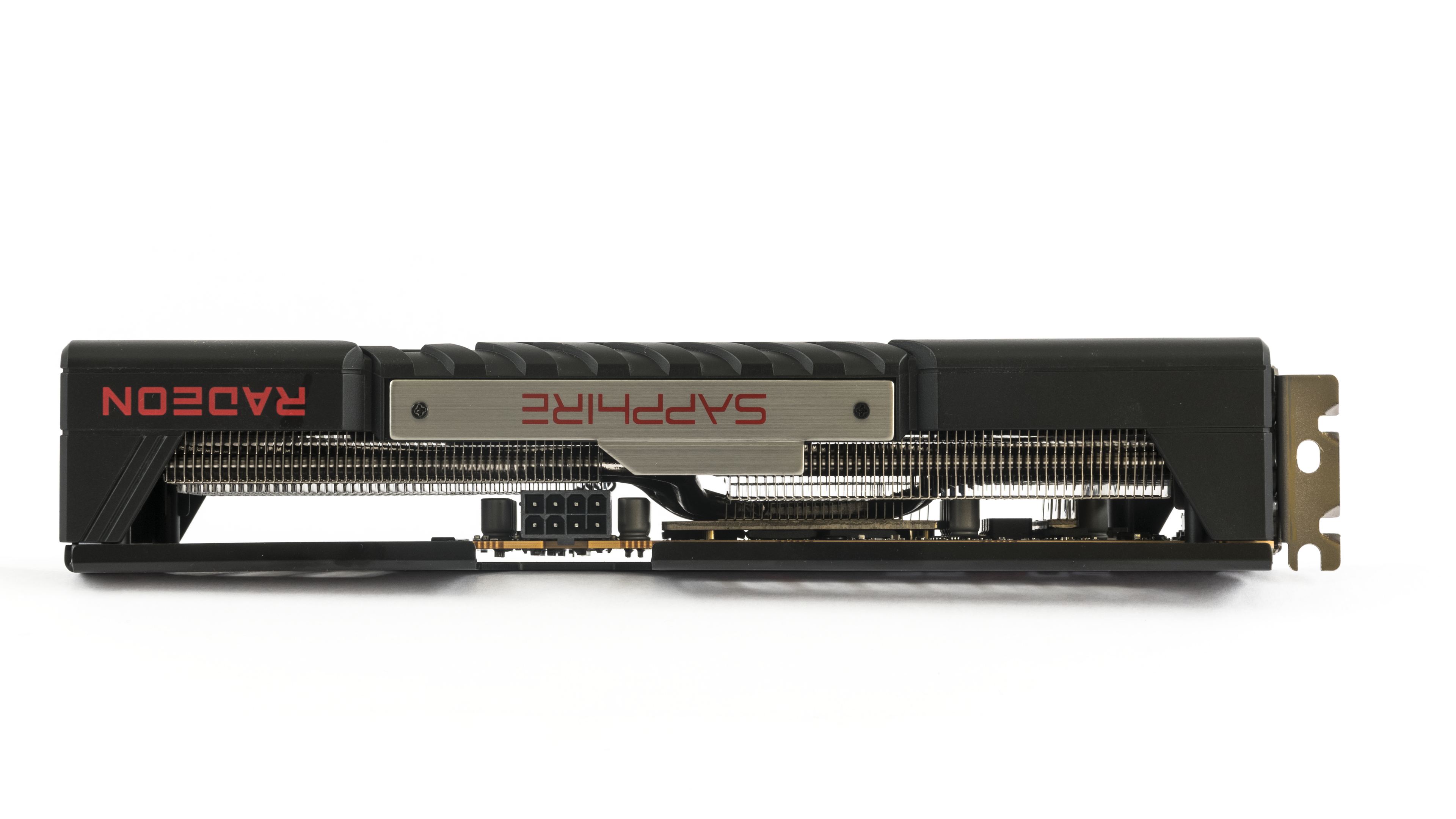
There are three more screws on the bracket that hold the shroud in place. There are no mounting holes at the back for additional screws, as seen on larger graphics cards, but given the size and weight of this card, they aren’t necessary.
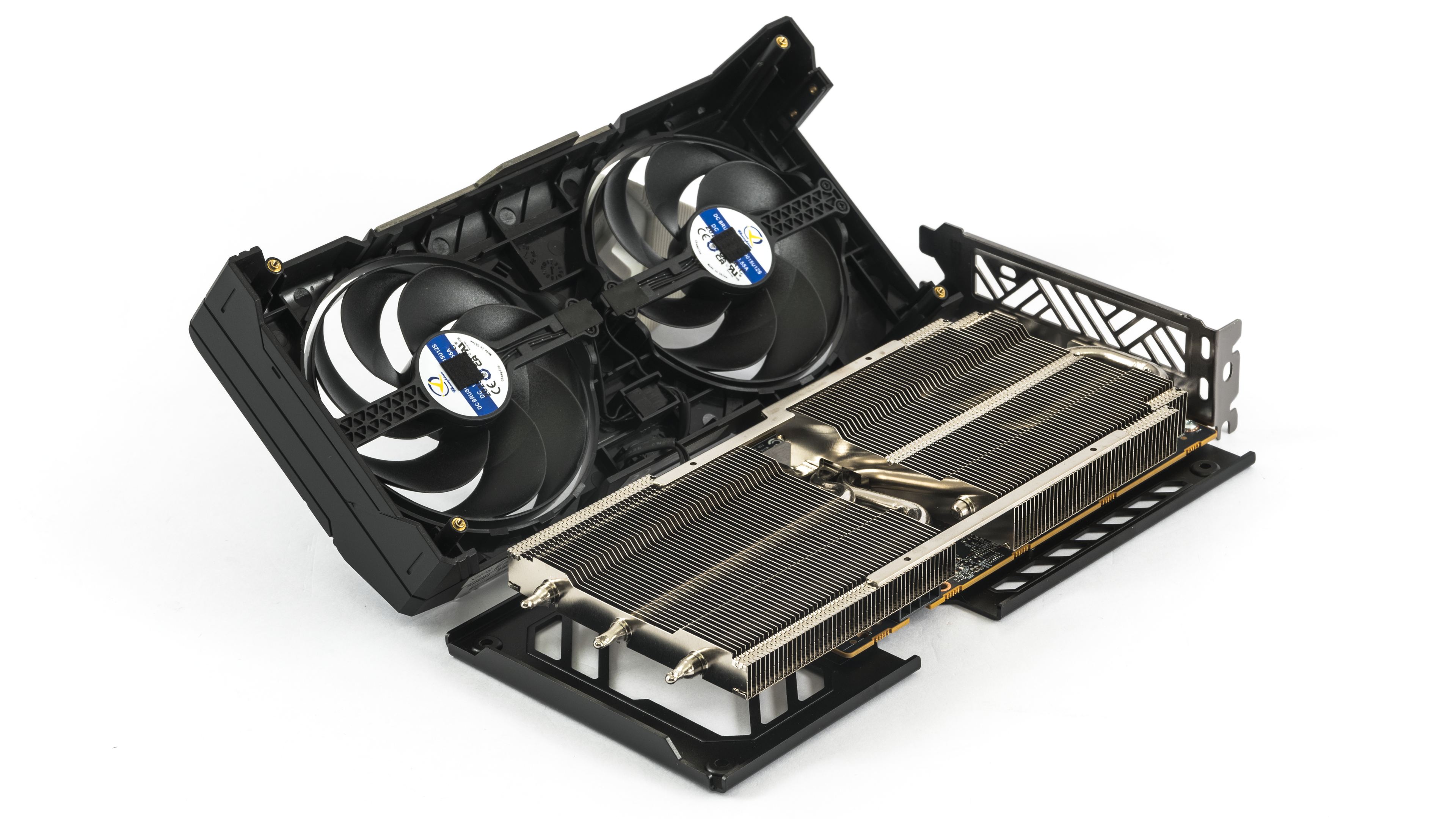
The heatsink beneath the shroud could have been slightly larger– there’s still ample space under it.
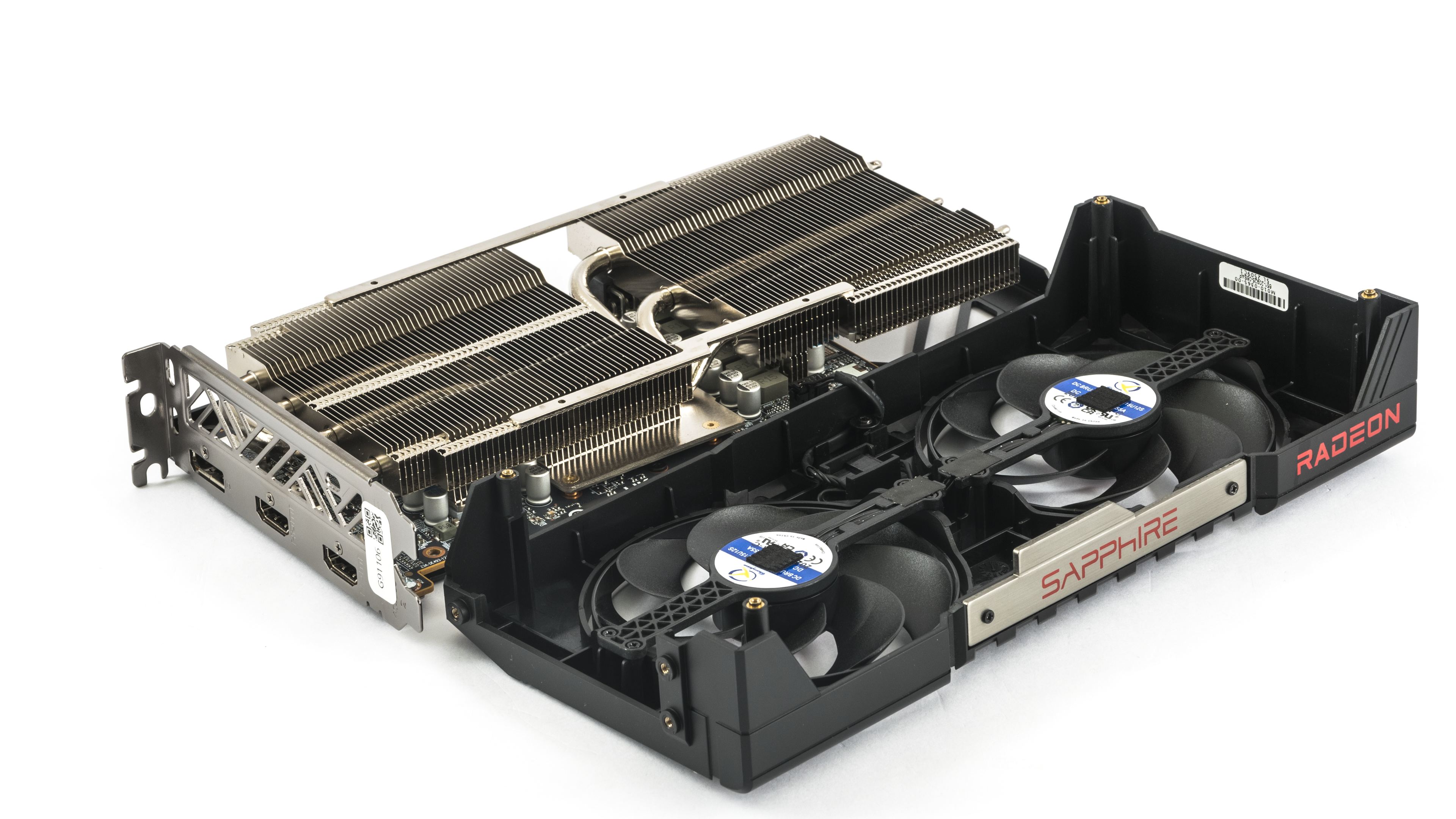

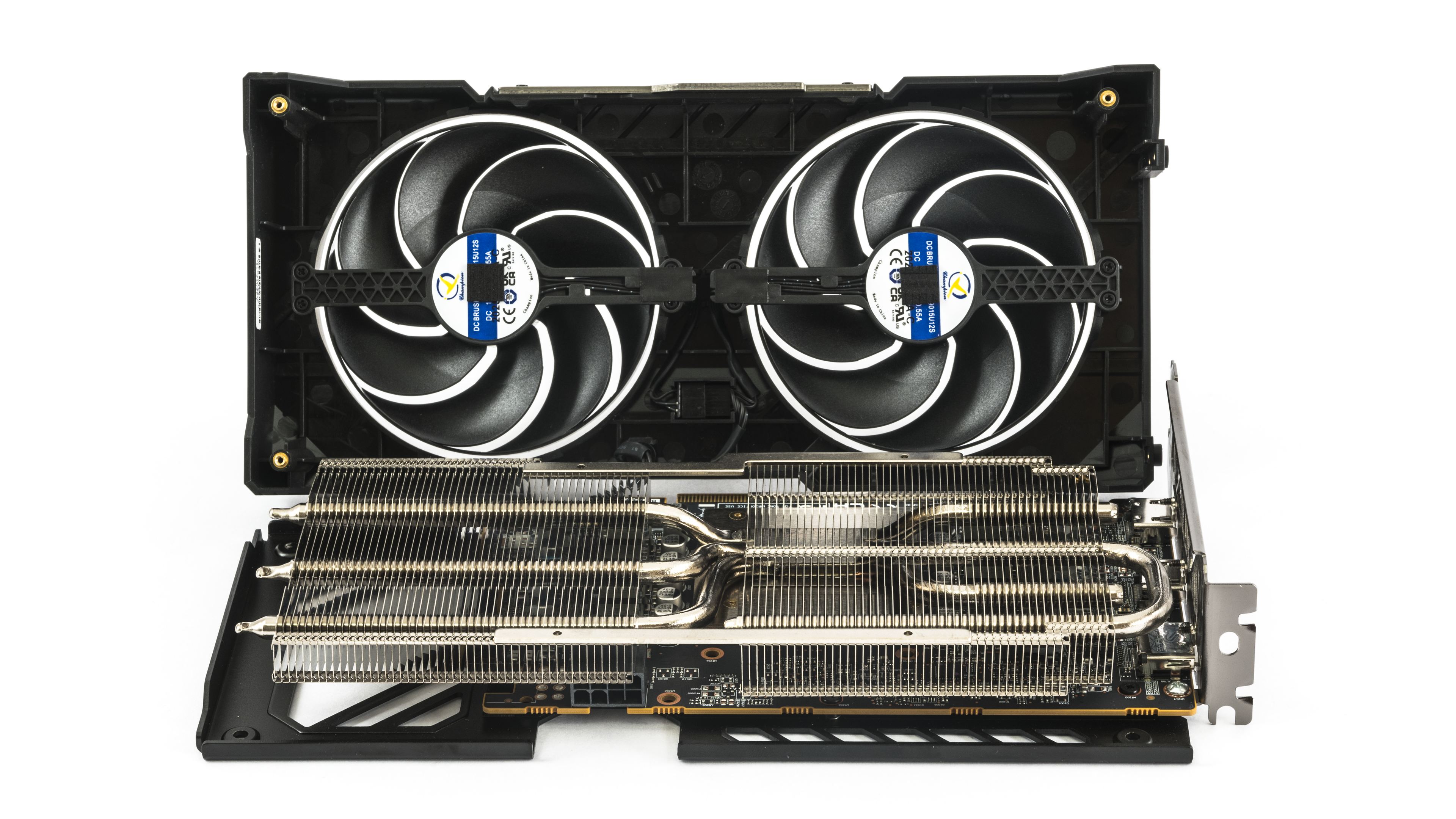
In the close-up, you can see the cooling of the MOSFETs and coils in the power delivery circuitry. Heat from the MOSFETs is transferred via a thermal pad into the base of the large heatsink. The coils are cooled only by airflow.

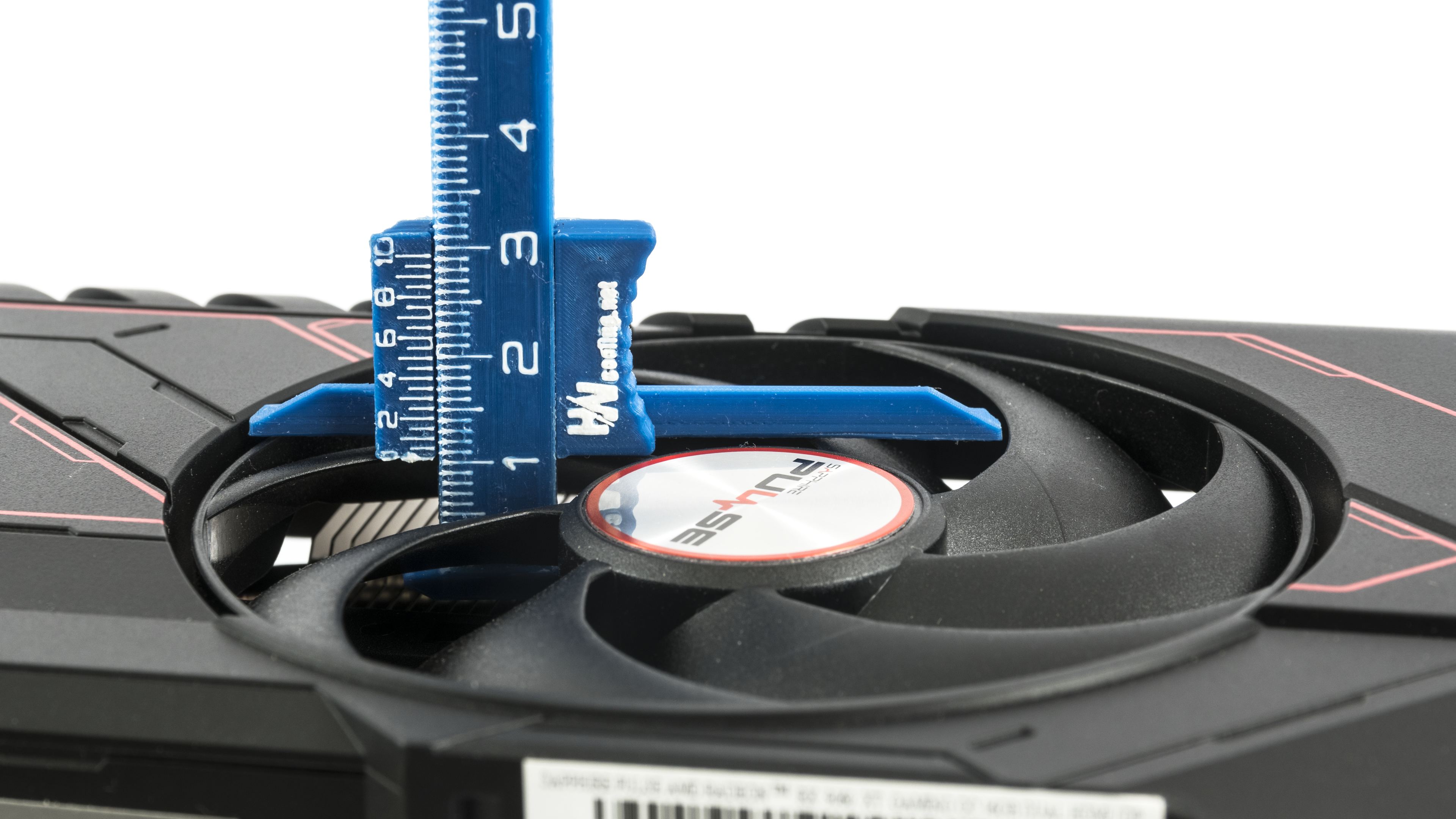
The fan dimensions are somewhere in the middle of what’s commonly used on GPUs today – the impellers have a diameter of approximately 91 mm, with a height between 10 and 11 mm. They are therefore low-profile and relatively delicate, and compared to taller fans with larger blade areas, they are quieter at similar RPMs.

The card weighs only 658 g, which clearly indicates that the heatsink used for this 170W card is smaller and lighter than those found on higher-performance models.

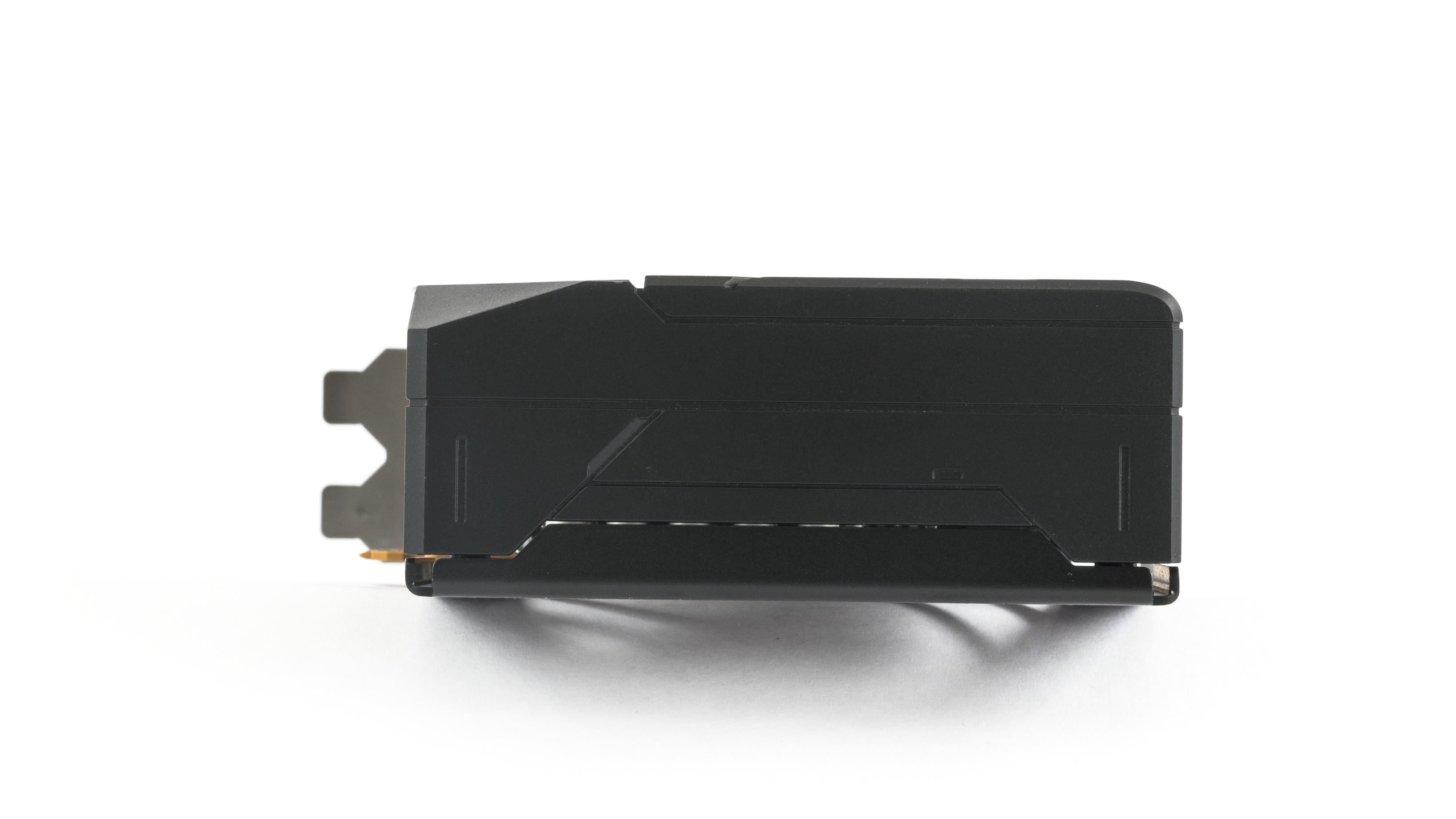
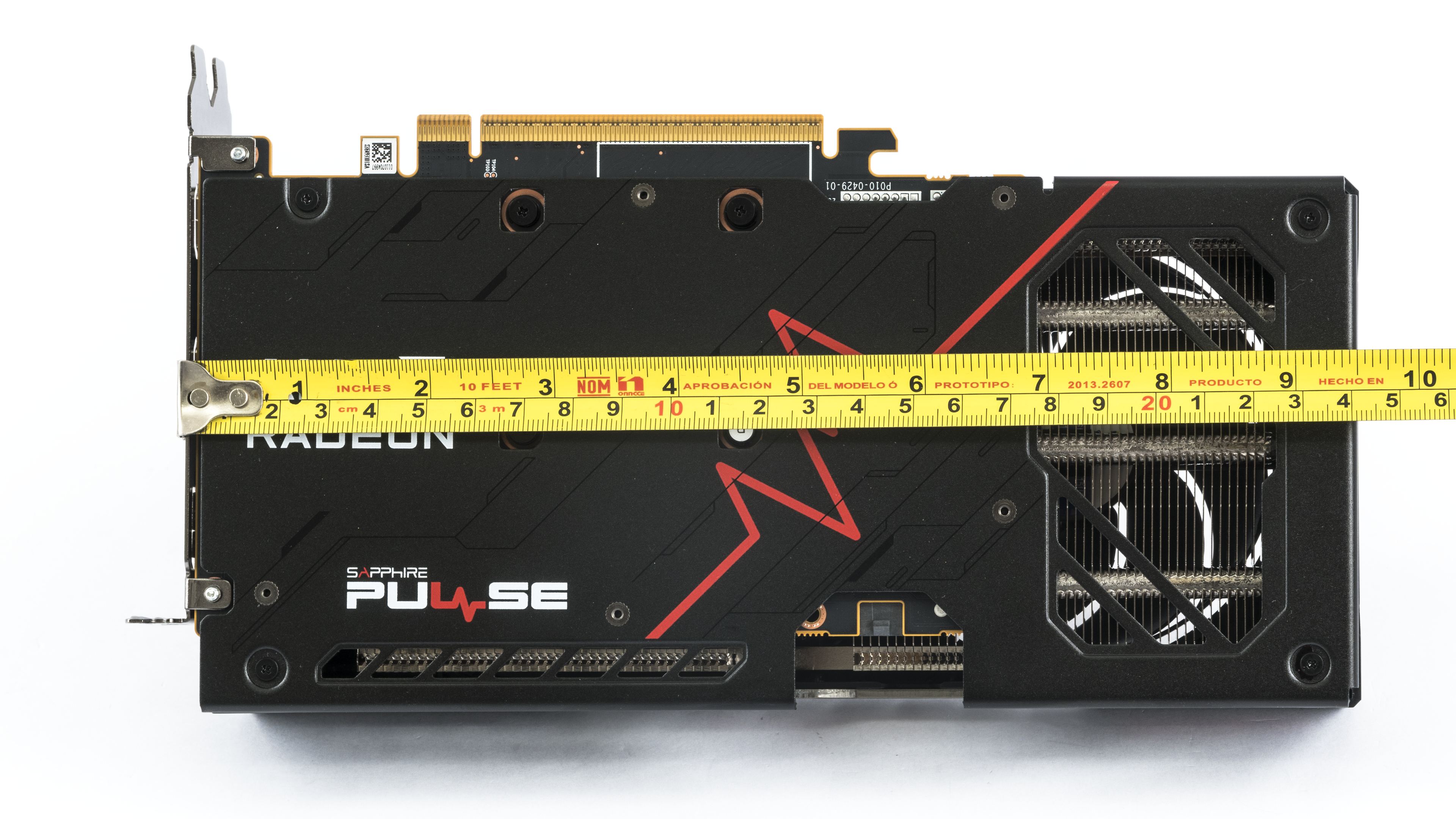
The card is just slightly over 24 cm in length, extends beyond the width of the bracket by less than two centimeters, and with the backplate included, the height is just under five centimeters.

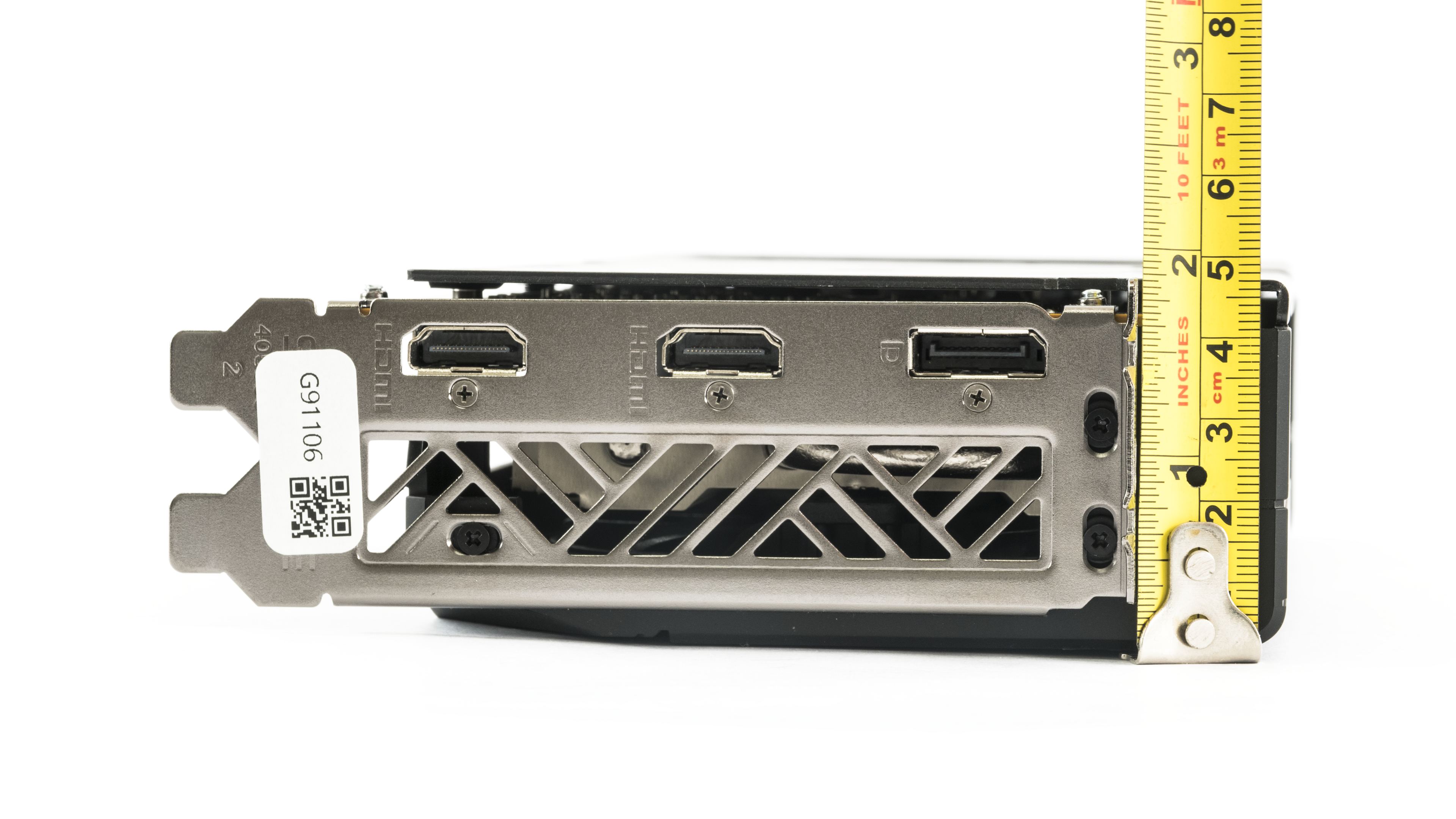
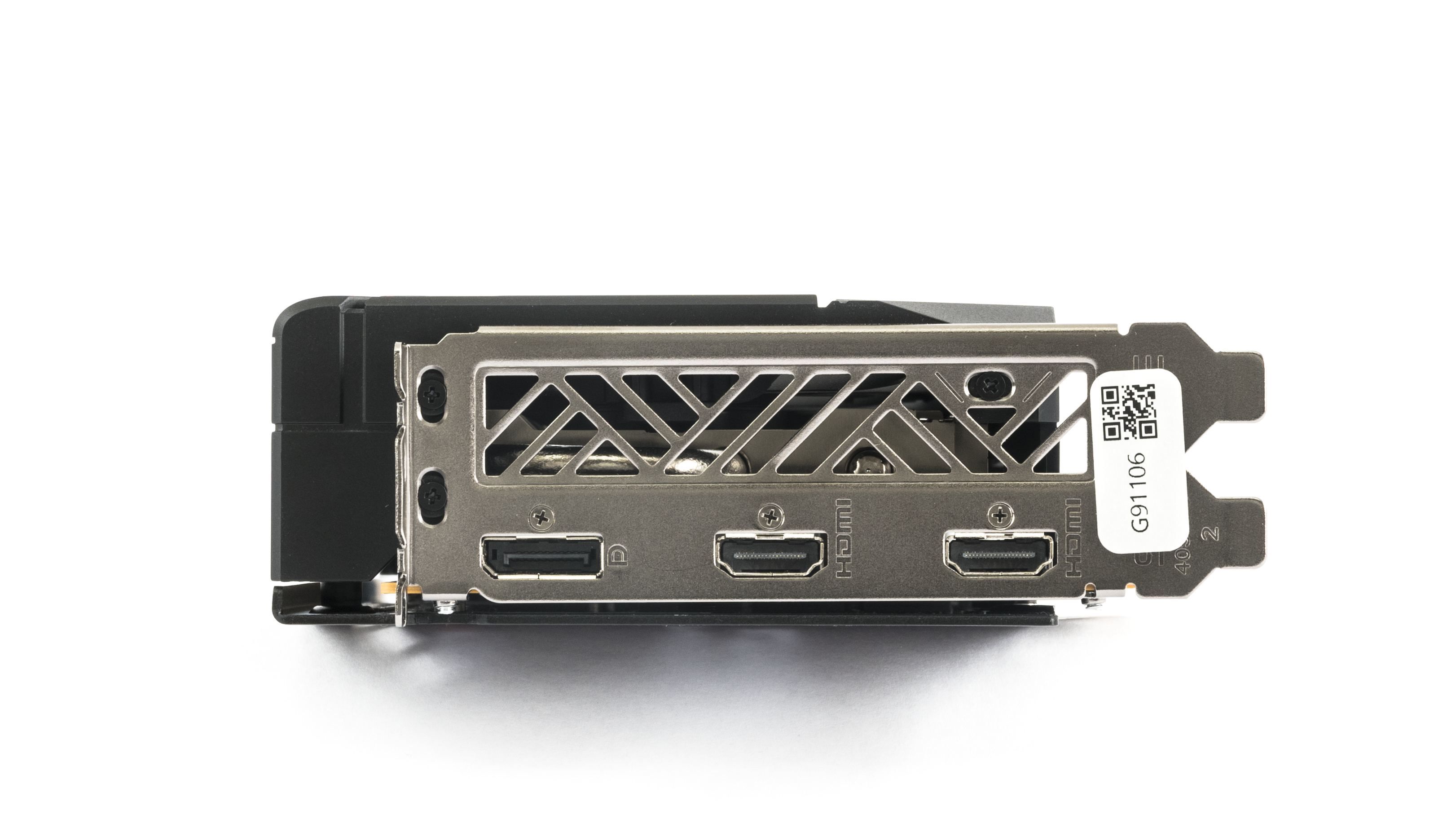
Instead of the usual four outputs, Radeon RX 9060 XT cards have only three. On the Sapphire model, these include two HDMI 2.1b connectors and one DisplayPort 2.1b with UHBR13.5 support. Compared to the RX 7000, that’s an improvement, but it falls slightly short of the GeForce RTX 50 series with UHBR20. However, that’s unlikely to be a concern – the RX 9060 XT is not a card aimed at extreme framerates in 4K gaming.

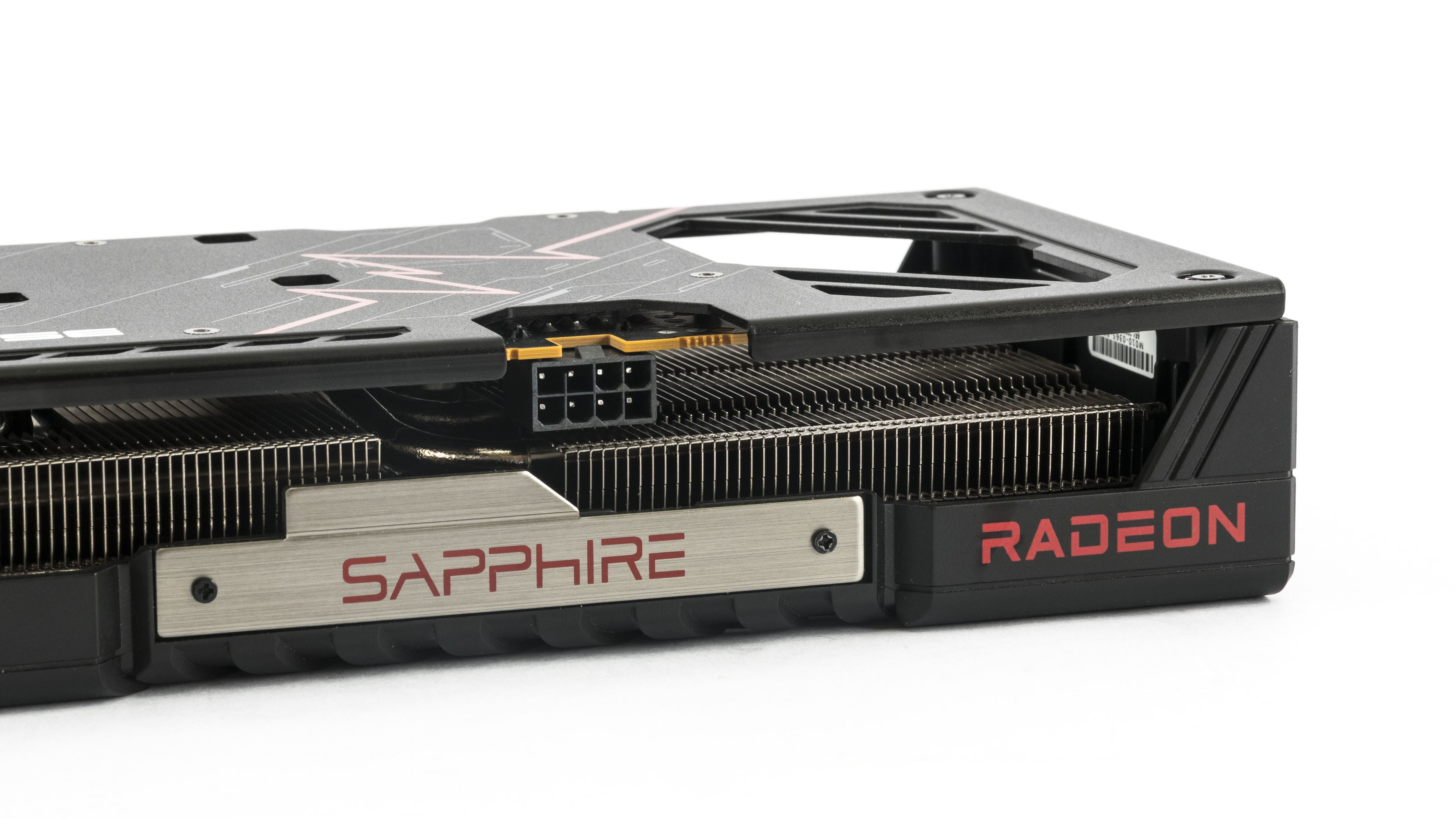
For auxiliary power, a single 8-pin connector is sufficient – even with some headroom – mounted with the latch facing upward.
We’ve covered the design, now let’s take a look at the test build and test results.
⠀