Image “upscaling” technologies have already won over most gamers. But there is still a camp of staunch opponents who prefer a faithfully rendered image over one “made up” by artificial intelligence. On a Radeon RX 9060 XT with AMD FSR 4, we’ll look at why that reading is inaccurate and how the new algorithms can turn low-resolution frames into images with a level of detail comparable to honest native-resolution rendering.
FSR 4 leverages artificial intelligence for the first time to reconstruct problematic parts of the image, resulting in greater stability, improved detail, and reduced ghosting. It builds on the FSR 3.1 API, so it also works in games that only support previous generations of FSR. It can be combined with frame generation and Anti-Lag 2.
The downside is that it relies on specialized compute cores found only in the new Radeons, meaning it works exclusively on AMD’s latest-generation chips.

To enable FSR 4 on new Radeons in most games, activate FSR4 in AMD Software and select FSR 3 mode in-game. Depending on the title, you’ll either see whether FSR 4 is active via an on-screen overlay, or—for games designed with FSR 4 in mind—FSR 4 will appear directly in the settings menu.
For supported games, the drivers will then automatically replace the older version with the latest FSR4 variant. For example, in GTA, you can see that FSR 4 mode is activated in the control panel, but only the launcher is running, so a warning appears stating that FSR4 is not active. However, once Story Mode is launched, everything functions correctly.

The following images show the image quality in the same scene with different FSR 4 quality settings.

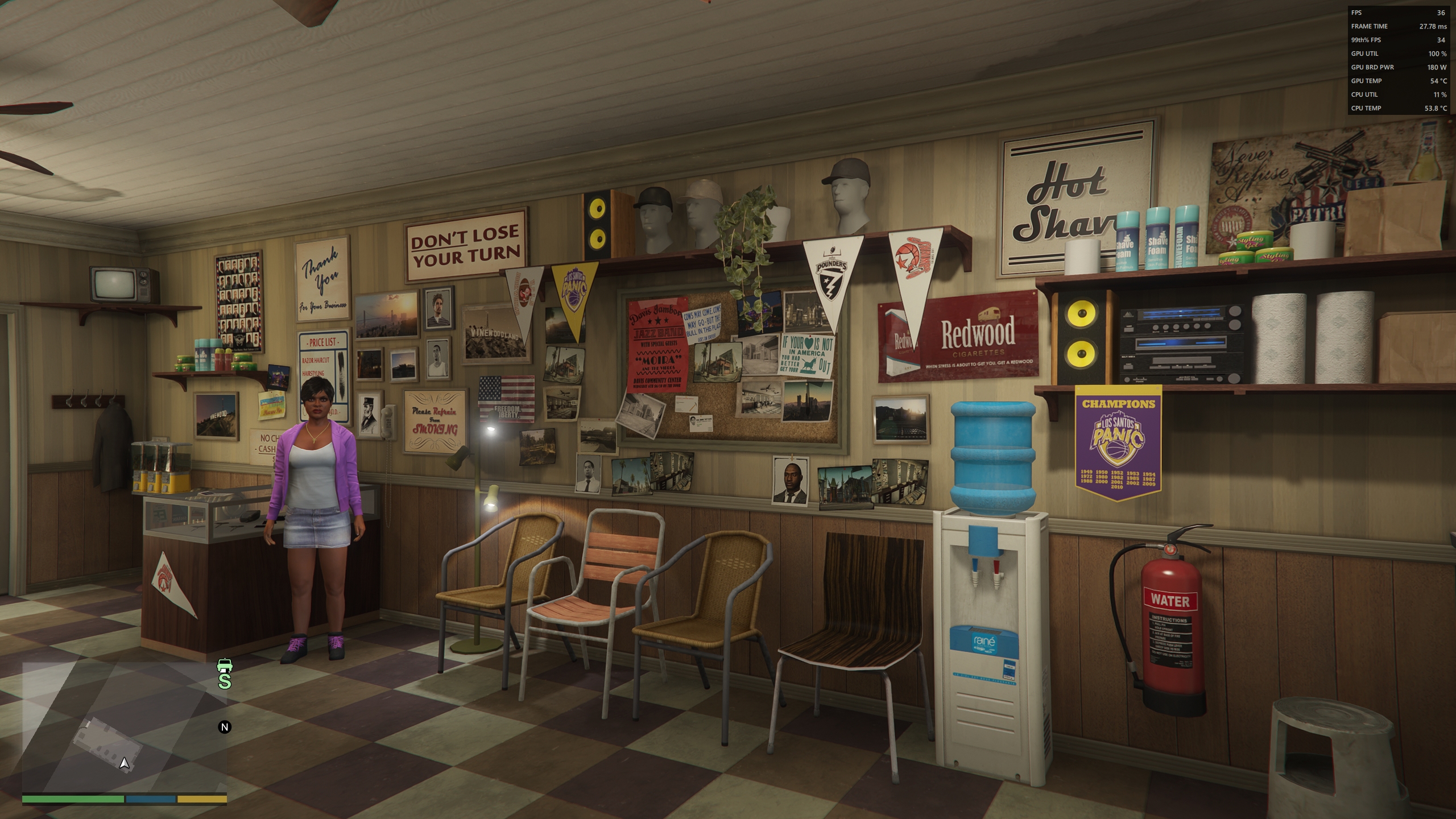
Native | FSR 4 Native AA


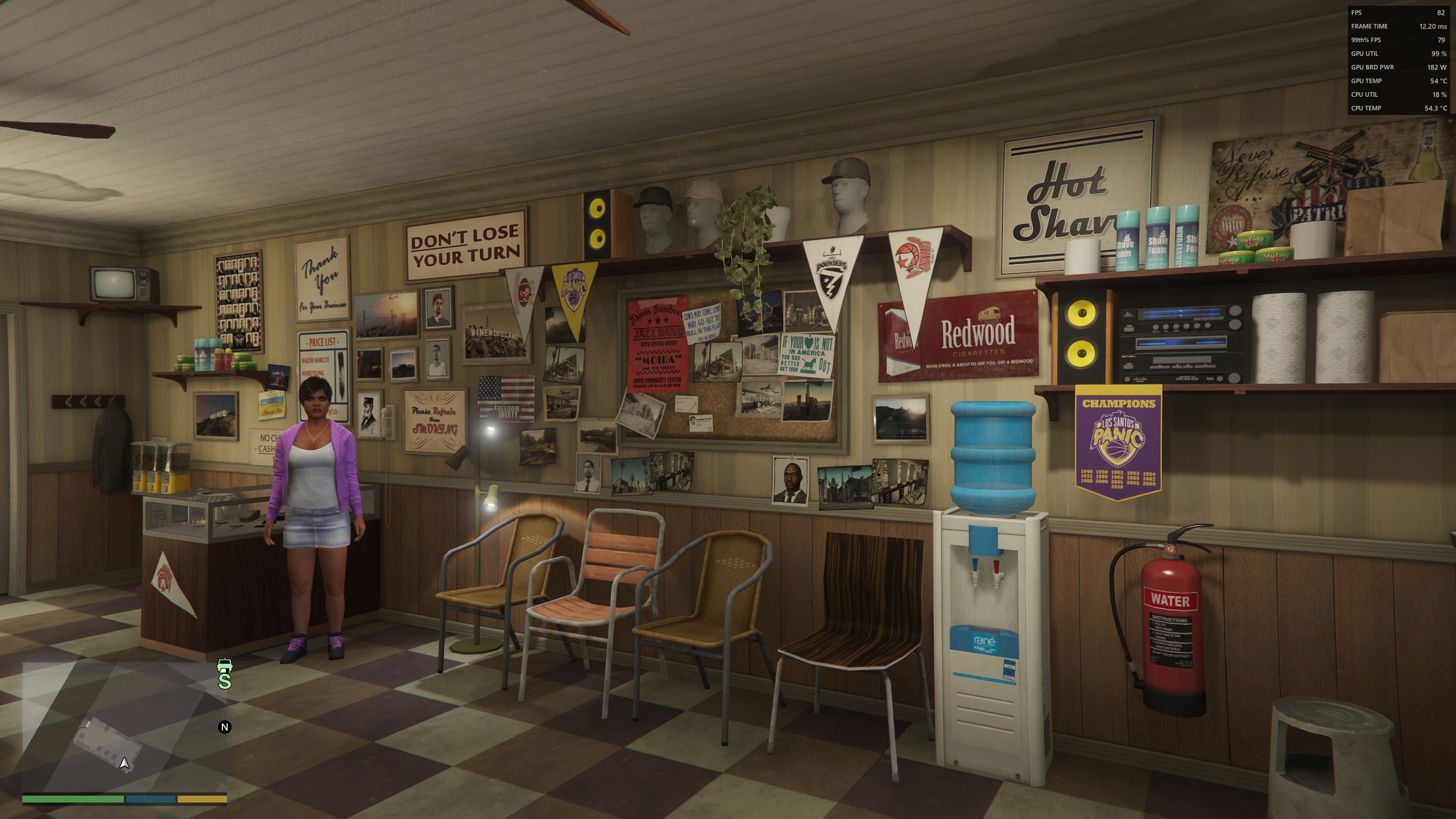
FSR 4 Quality | FSR 4 Balanced |FSR 4 Performance
In the case of GTA V Enhanced, it’s fair to say that image quality with FSR 4 is, in some respects, better than native resolution. With ray tracing enabled, the game likely uses different noise-reduction algorithms in its standard settings, which can iron out more detail from the native resolution image than is desirable.


GTA V Enhanced + ray tracing max.
native resolution | FSR 4 Balanced
Disclaimer: This article could not have been created without the support of AMD and Gigabyte. It is intended to help readers better understand the technology. The content reflects the author’s own views and is based on independent testing and measurements. The sponsor had no influence on the editorial content.