


Naposledy sme sa zaoberali základnou doskou, ktorá, ktorá je aj vďaka nižšej cene vhodná najmä na použitie s lacnejšími procesormi. Teraz tu máme o zhruba 50 eur drahšiu Gigabyte B660 Aorus Master DDR4. Príplatok tu má jasné opodstatnenie a odzkadľuje sa na lepších vlastnostiach. Napájacia kaskáda je výrazne efektívnejšia, chladiče sú účinnejšie a výbava je celkovo bohatšia, vrátane svetielok.
Audio encoding
Test environment: Audio encoding is done using command line encoders, we measure the time it takes for the conversion to finish. The same 42-minute long 16-bit WAV file (stereo) with 44.1 kHz is always used (Love Over Gold by Dire Straits album rip in a single audio file).
Encoder settings are selected to achieve maximum or near maximum compression. The bitrate is relatively high, with the exception of lossless FLAC of about 200 kb/s.
Note: These tests measure single-thread performance.
FLAC: reference encoder 1.3.2, 64-bit build. Launch options: flac.exe -s -8 -m -e -p -f
MP3: encoder lame3.100.1, 64-bit build (Intel 19 Compiler) from RareWares. Launch options: lame.exe -S -V 0 -q 0
AAC: uses Apple QuickTime libraries, invoked through the application from the command line, QAAC 2.72, 64-bit build, Intel 19 Compiler (does not require installation of the whole Apple package). Launch options: qaac64.exe -V 100 -s -q 2
Opus: reference encoder 1.3.1, Launch options: opusenc.exe –comp 10 –quiet –vbr –bitrate 192

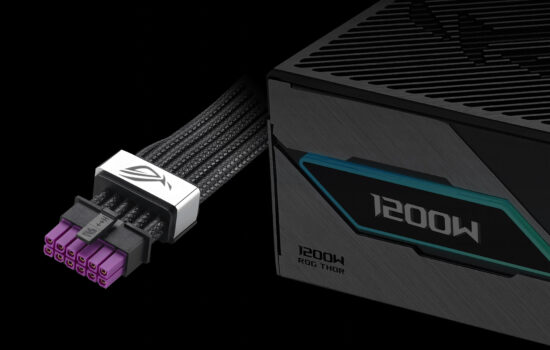



One small note on supported cases. Asus BTF motherboards are also supported by Corsair’s now available 6500 and 2500 series cases. The 2500D Airflow, 2500X, and 2500X RGB models also fit nicely with the TUF B760M-BTF WiFi D4 in terms of form factor, as the combination of a mATX motherboard with a midi-tower case is mentioned.
I’ve been following the “hidden connector” trend for a bit, but this deep dive into the TUF B760M-BTF really highlights some functional pros I hadn’t considered. It’s not just about the “fish tank” aesthetic with the glass panels. The article mentions how moving the CPU power connectors to the back actually allows for larger VRM heatsinks because they can encroach into space that usually has to stay clear for plugs.
Coming from a background of messing with older Dell PowerEdge servers https://serverorbit.com/power-supplies/server-power/poweredge, I’m used to those highly optimized layouts where every millimeter of airflow matters and cables are tucked into specific channels. Seeing consumer boards adopt this “backside” approach feels like a nod to enterprise-level cable management, even if the primary goal here is style. In my experience with high-wattage server PSUs, cable routing is usually very rigid, so I’m curious how this translates to home builds. You’re bending those thick 24-pin cables in a much tighter space behind the tray now.
Do you think we’ll start seeing PSU manufacturers releasing specific “short-head” or ultra-flexible cable kits for these BTF boards, or will standard modular cables be enough to clear the back side panels?
Thank you for the very thoughtful idea. As for your question: personally, I don’t know and wouldn’t want to speculate whether motherboard designs with rear connectors will prompt PSU manufacturers to respond with shorter connectors or similar adjustments.
We don’t have any information in this area, and as always, time will show what actually makes it to end users. That said, your idea definitely makes sense—now it just needs someone in a position to act on it and actually produce such cables. 🙂