The top model of the RTX 5060 Ti currently available from Asus is the TUF Gaming GeForce RTX 5060 Ti 16GB OC Edition. Although its power consumption isn’t particularly high, it comes with a large triple-slot cooler (30 cm) that easily manages the 180W load, keeping GPU and memory temperatures at 70 °C with fans running at just 1000 RPM and staying whisper-quiet. It also offers a dual BIOS and other premium features, but these come at a steep price.
For a 180W card, the cooler is massive. A heatsink with cross-finned structure is cooled from above by three fans mounted in a plastic shroud colored metallic gray. The shroud design is accented by silver elements at the corners simulating metal.


The PCB is shorter than the entire card, leaving the rear section of the heatsink open. Looking from the back, you can see that almost the entire rear fan is exposed. The silver logo and stripes at the end of the PCB are illuminated by addressable RGB LEDs.


During operation, the card’s lighting is subtle; however, if your processor is equipped with a large air cooler like the Noctua NH-D15 G2, it is likely that the lighting will be mostly hidden underneath it.

The backplate on the rear side of the card is metal. Beyond reinforcing the PCB and protecting the components, it also aids in cooling. Some heat from the rear memory chips and the power delivery MOSFETs is transferred to the backplate via thermal pads.


The cooler has a large coldplate that draws heat from both the GPU and the memory. Photos of the disassembled card can be found, for example, in the review on TechPowerUp.
From the side, you can see that the cross-finned heatsink fills most of the space beneath the shroud. The large heatsink also helps with cooling the power delivery circuitry.


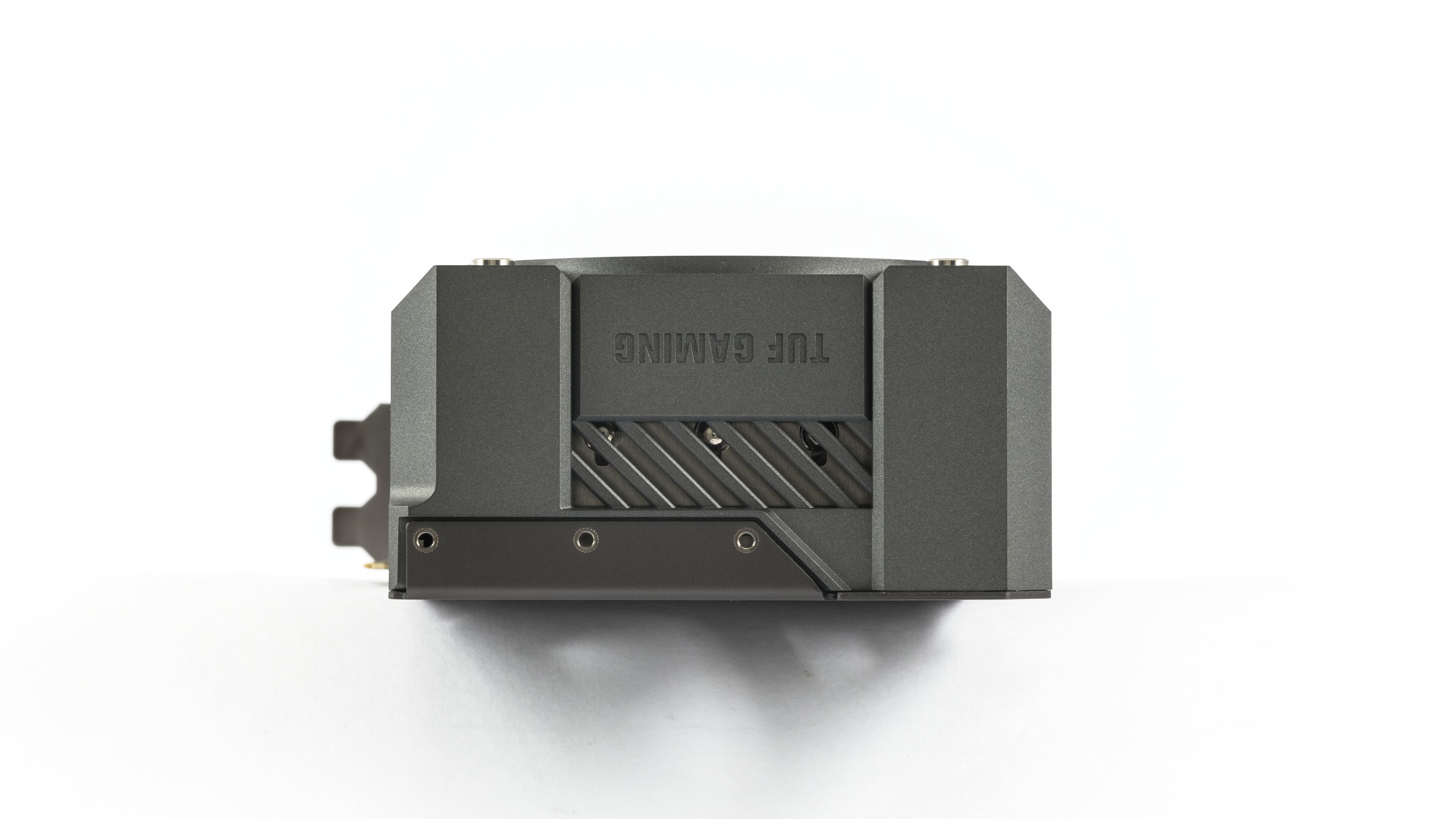
The dimensions of the fans are somewhere in the middle of what is commonly used today – impeller diameter is 91 mm with a height of 11 mm. They have a large diameter but are otherwise quite slim, resulting in quieter operation at the same RPM compared to taller fans.


Weighing in at 1139 g, the card is not particularly heavy, but among RTX 5060 Ti products, it will rank among the heavier ones.

The card’s length barely exceeds 30 cm by a few millimeters.

Compared to the I/O bracket, the card is roughly 3 cm wider, occupying a full three slots in height. It is advisable to leave a fourth slot free for better airflow to the card.
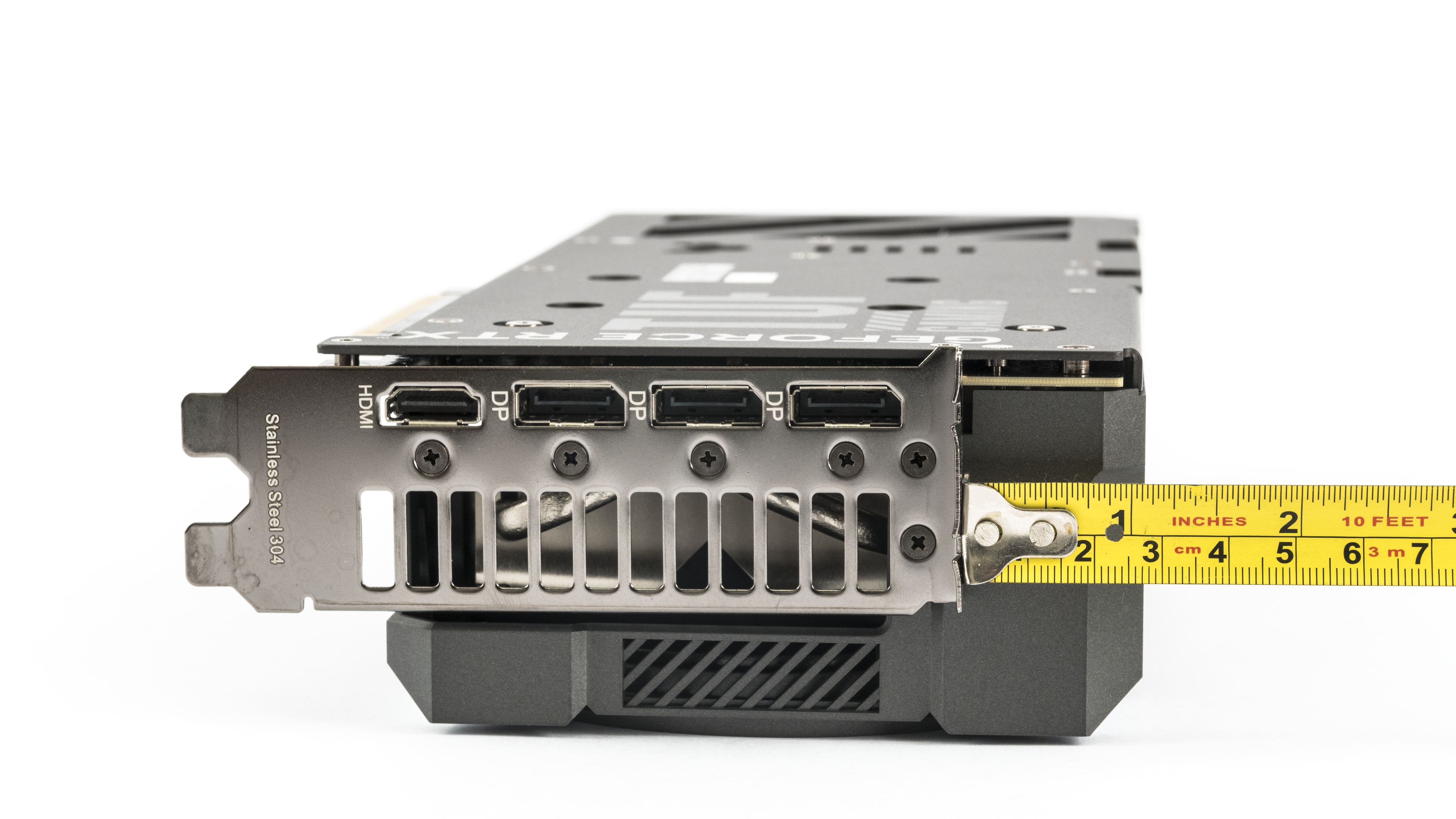

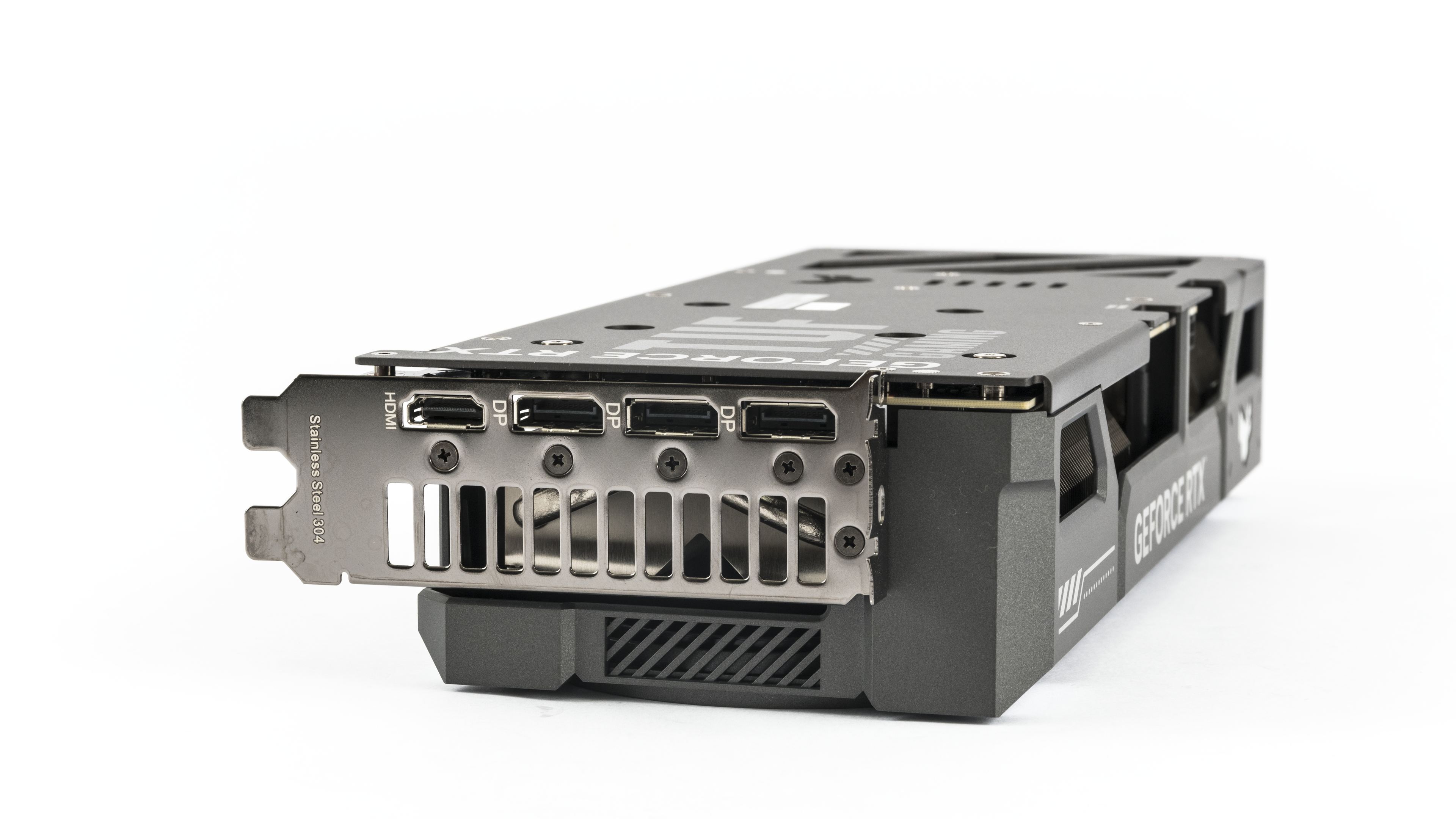
The I/O bracket features the usual combination of outputs – three DisplayPort 2.1b ports with UHBR20 and one HDMI 2.1b connector.
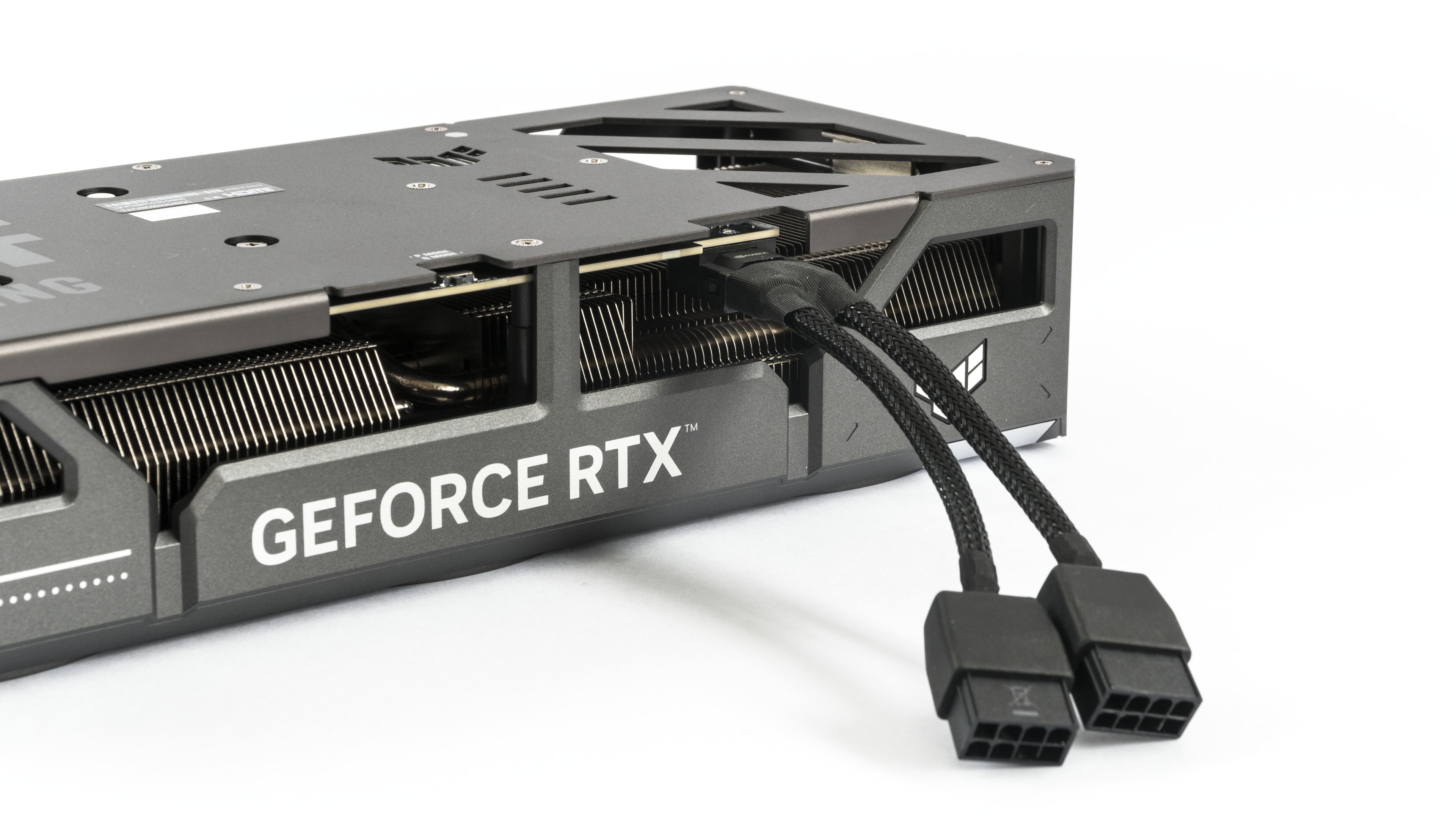
For additional power, a single 12V-2×6 connector is used, with the latch oriented downward. The included adapter only requires two eight-pin connectors, and 300 W is more than sufficient for this card. Above the connector is a diagnostic LED that lights up red in case of power delivery issues.

We’ve covered the design, let’s move on to how it performs.
⠀