

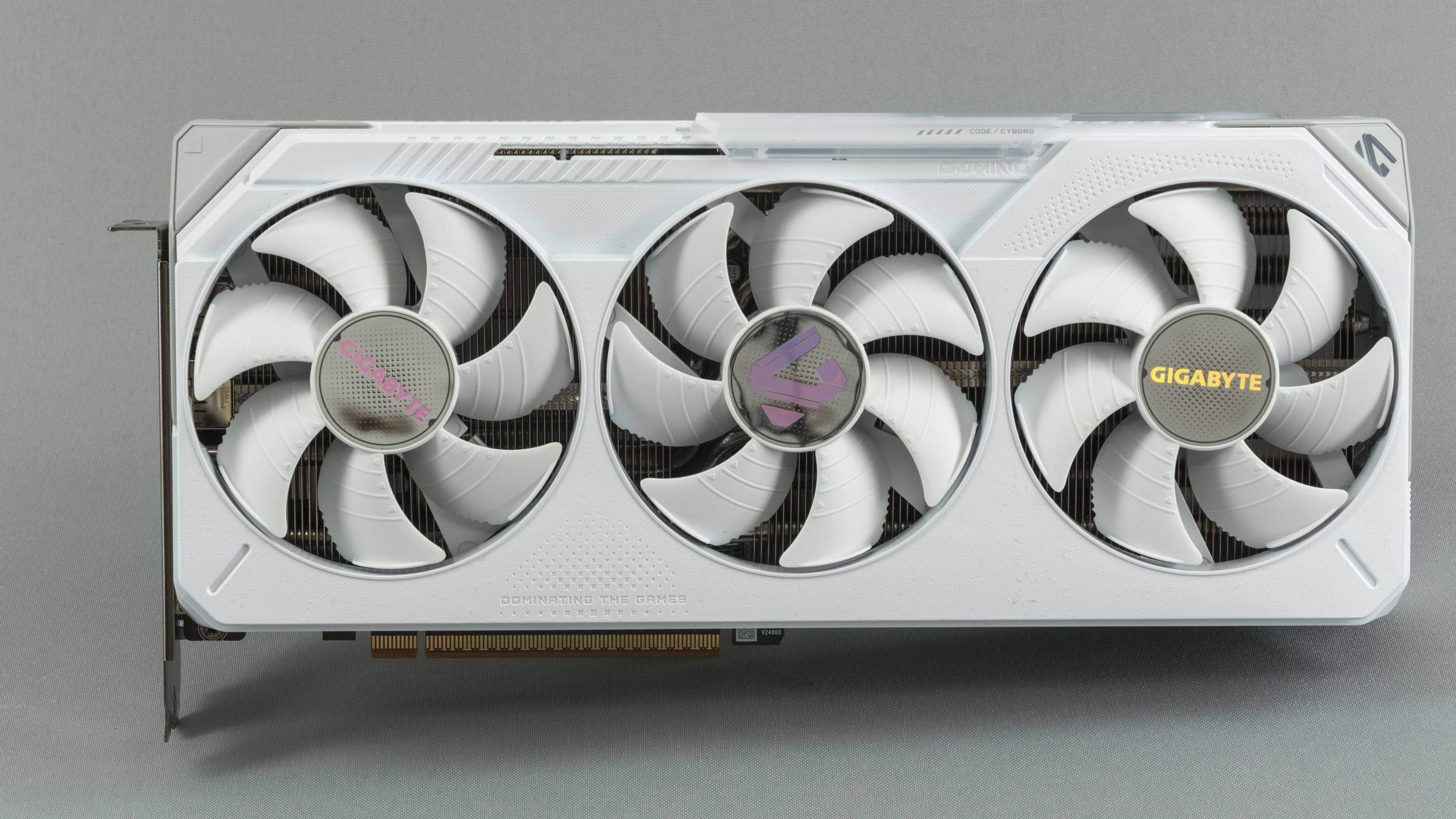
Gigabyte has added new Radeon models to its lineup. That’s good news for anyone tired of all-black components. Alongside the budget-friendly Radeon RX 9060 XT Gaming OC and RX 9070 XT Gaming OC, the company is introducing “Ice” variants that pair a white shroud with gray and silver accents. As long as pricing doesn’t stray far from the standard black versions, they should rank among the best-value white cards on the market.
The cooler’s design is no different from the standard black RX 9070 XT Gaming OC variant. The black-colored fans and plastic shroud parts have been replaced by white plastics. The shade of the grey and metallic elements is also different.
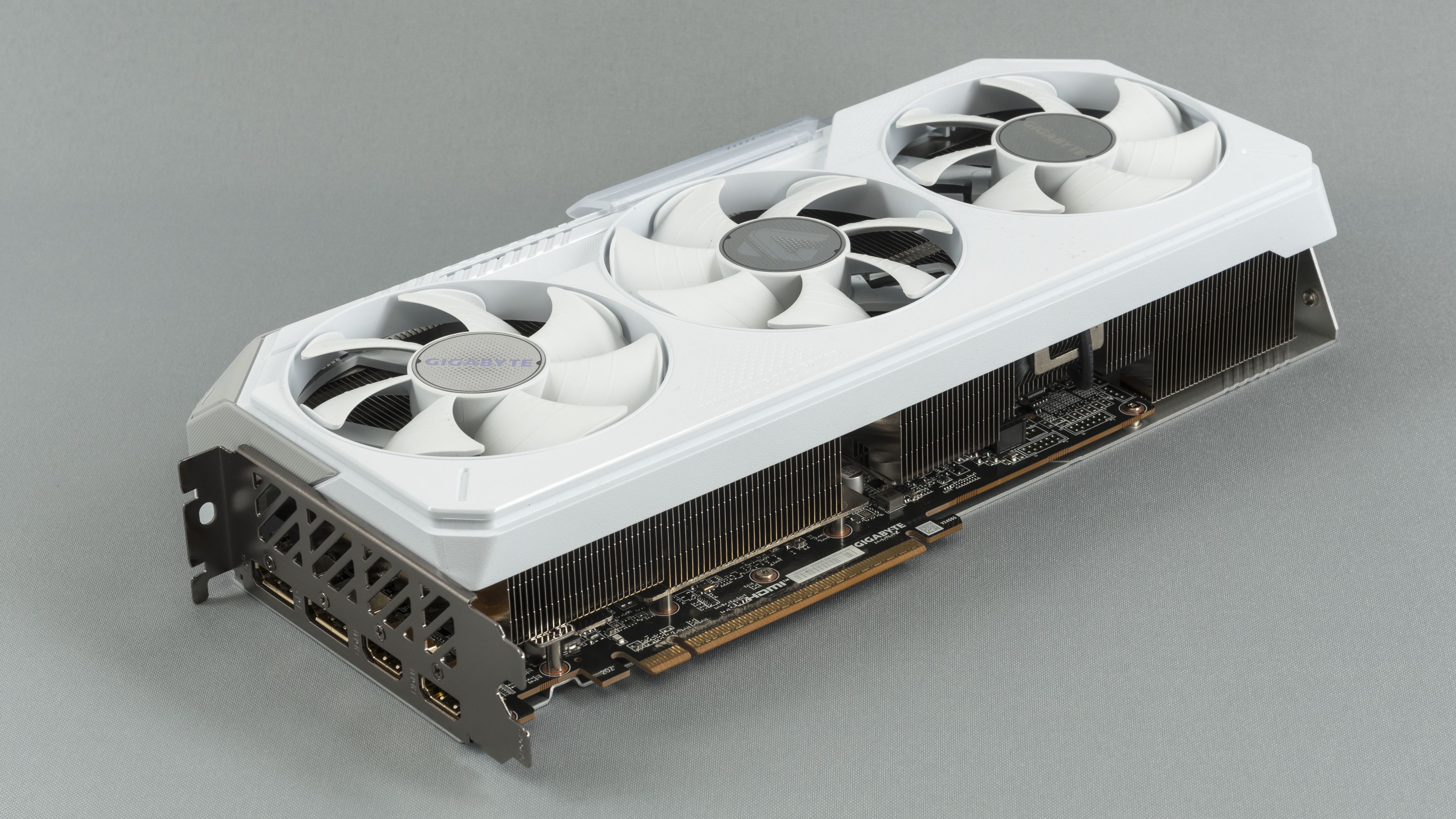
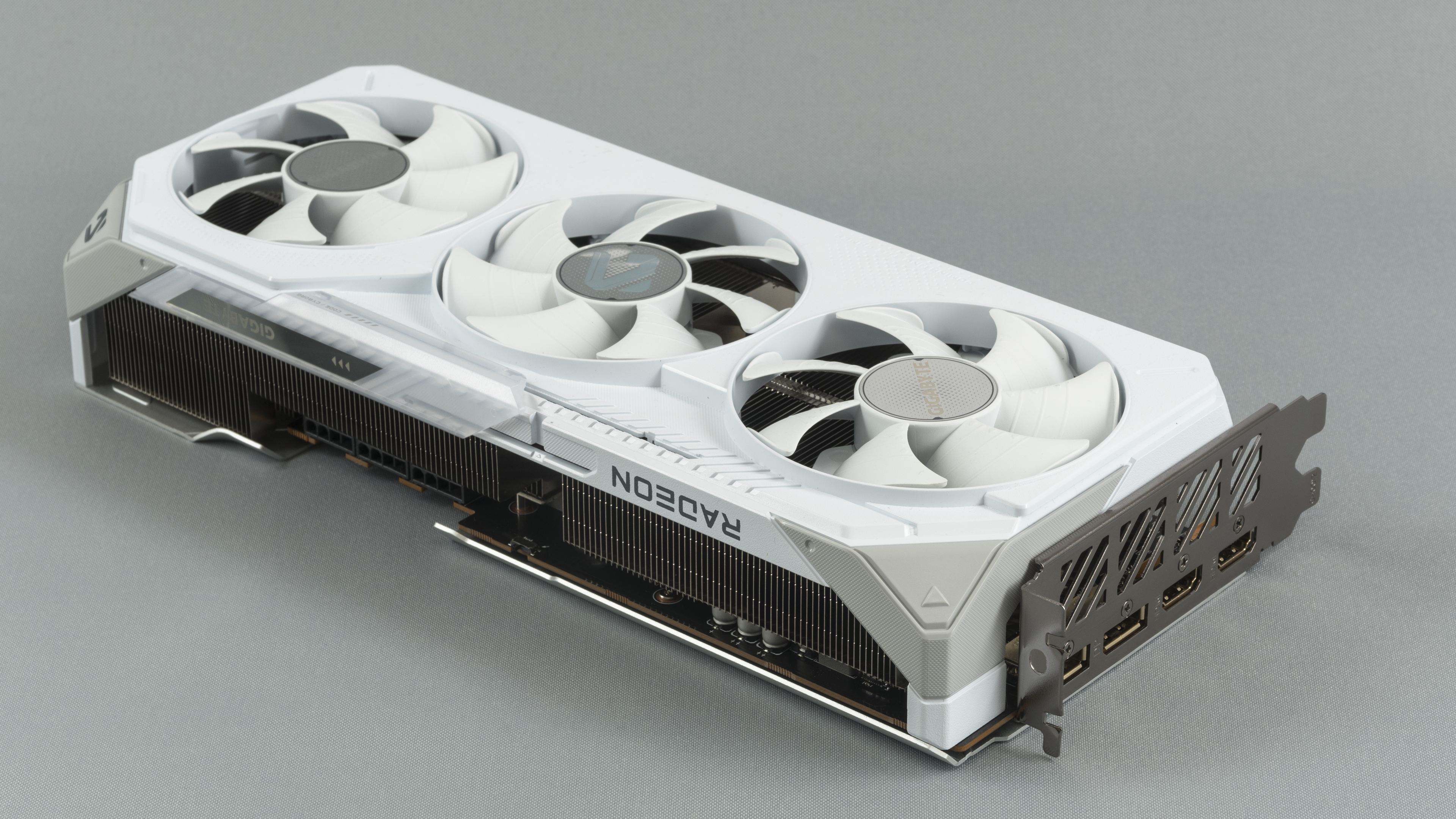
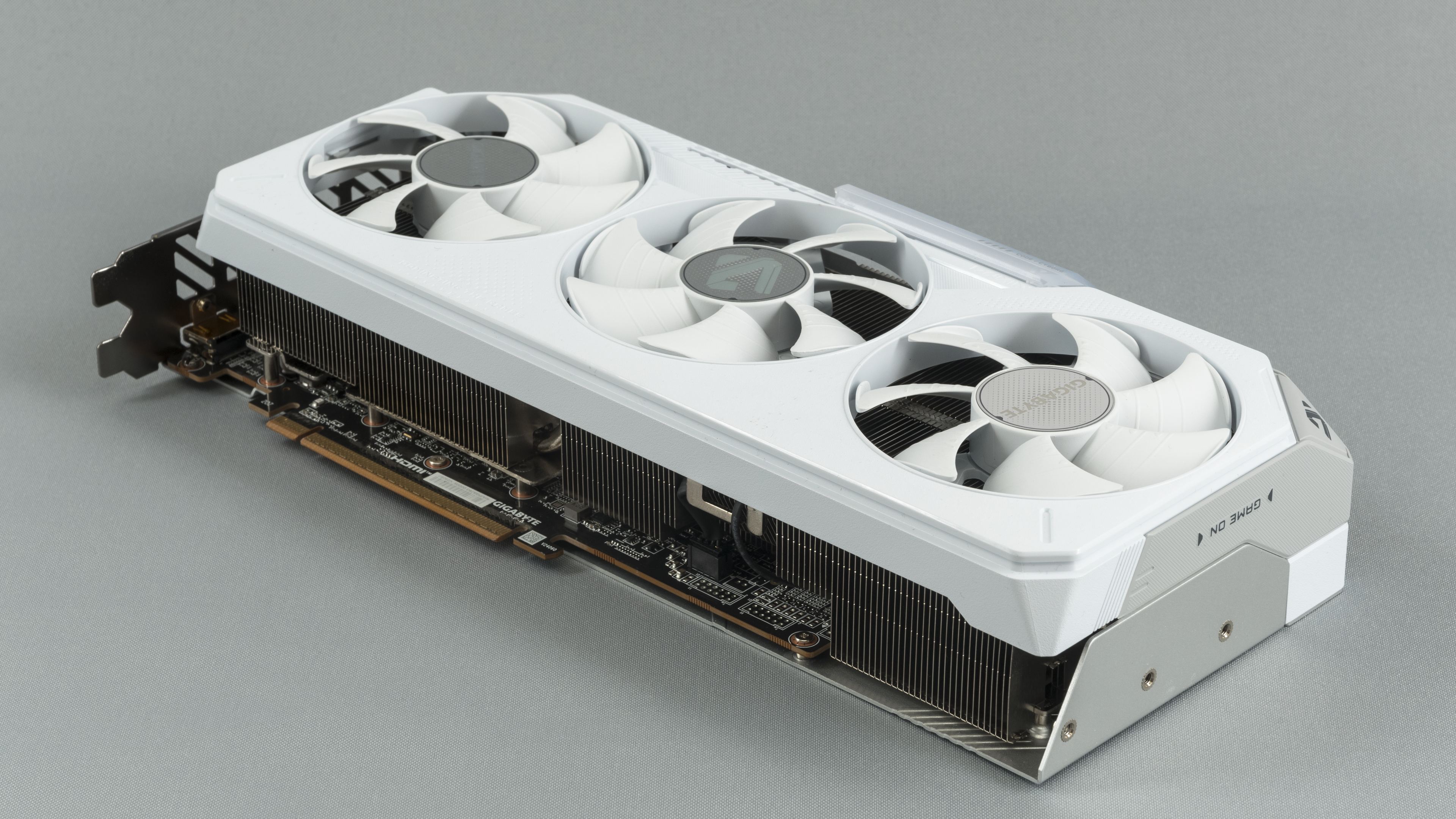
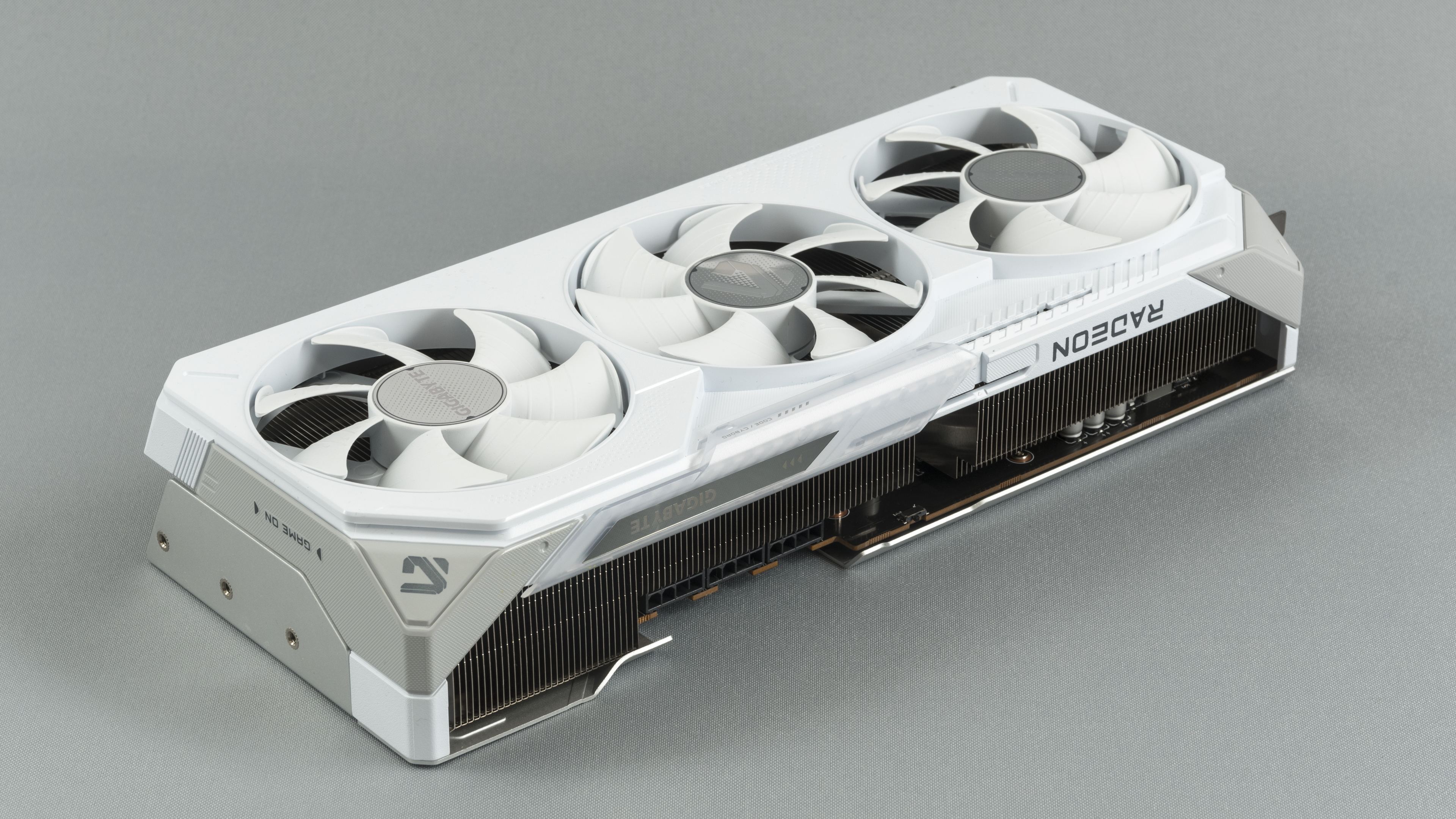
The gray elements remain as well, but they have a significantly lighter shade.

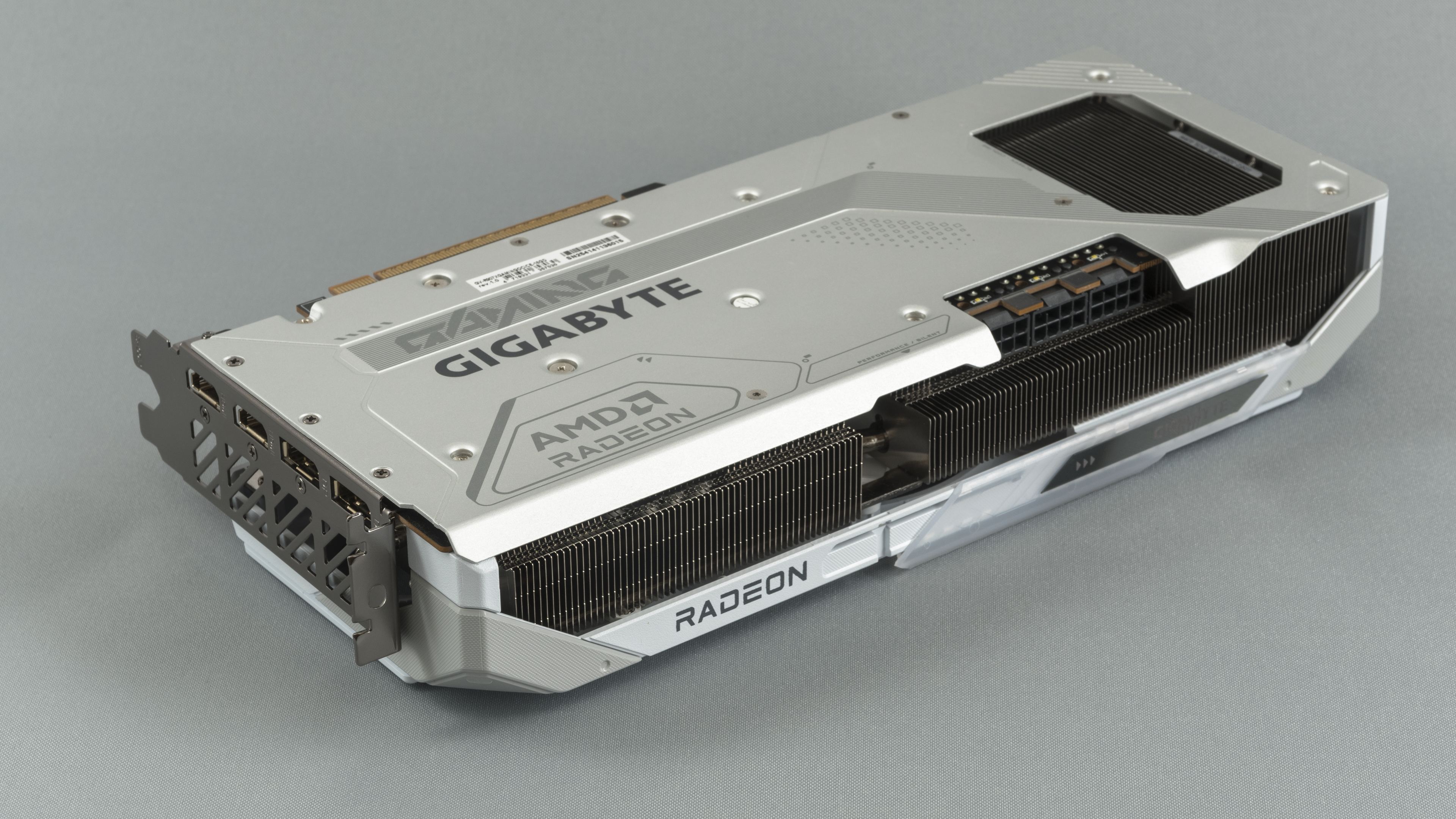
The rear of the PCB is protected by a metal backplate. In the rear section, behind the PCB, there is a cutout through which air can flow freely through part of the fin stack directly upwards from the card. The bend on the outer edge makes it stiffer than a typical flat sheet of metal, and it provides greater support for the card also because it is screwed to the bracket.
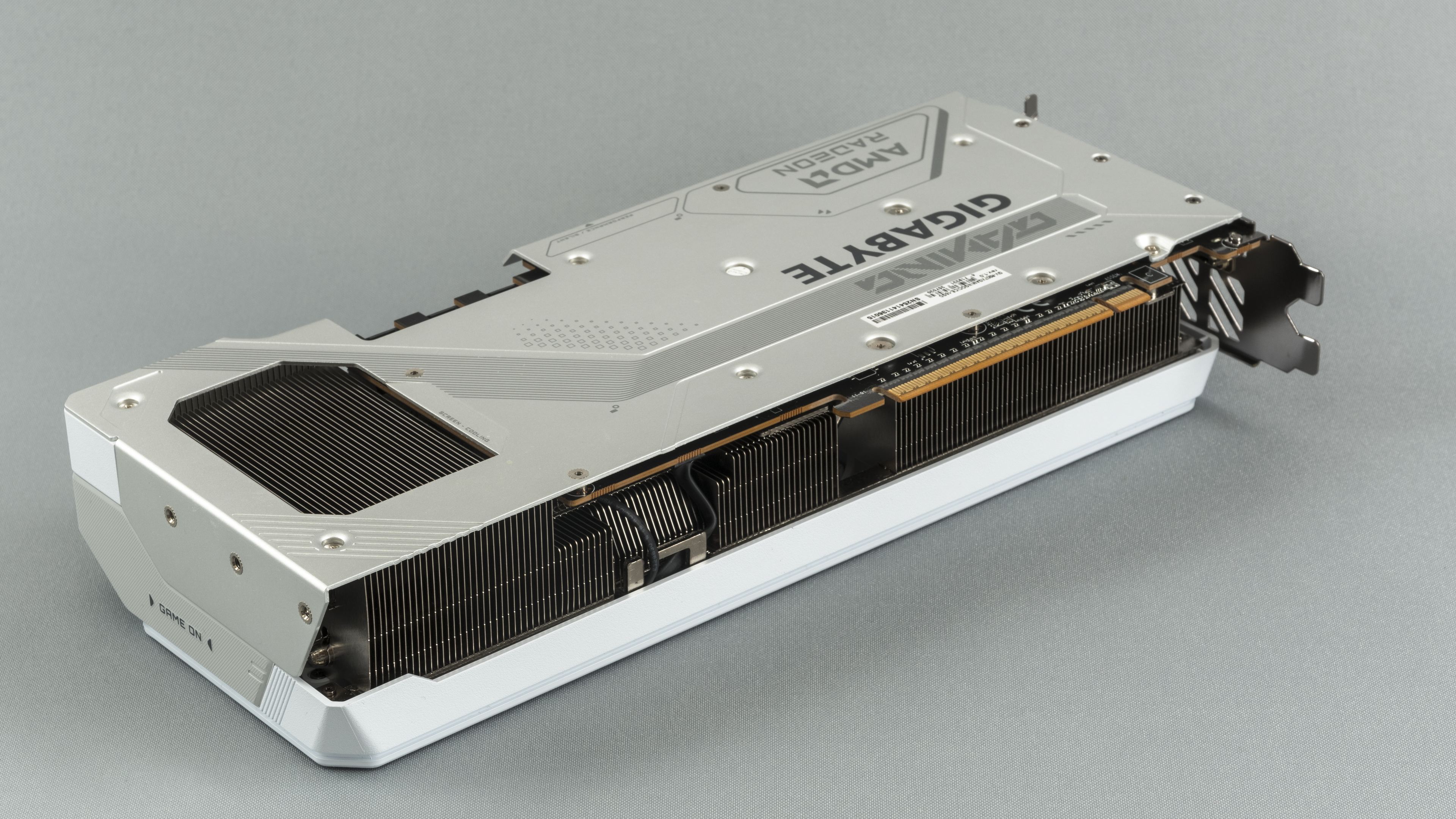
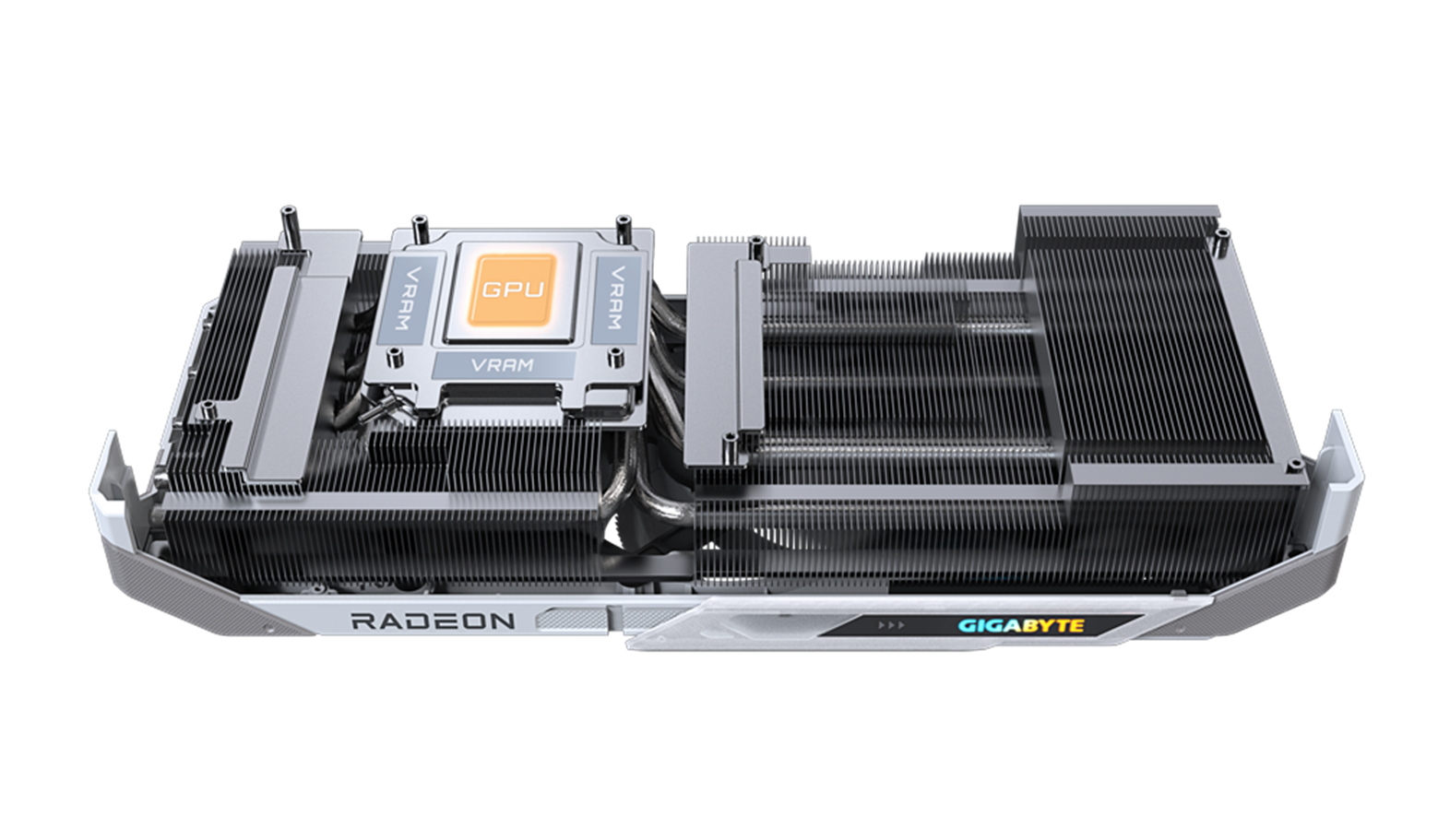
The heatsink base features a vapour chamber that draws heat away from the graphics chip and memory. Smaller bases, from which heat is transferred to the fin stack via thermal gel, serve to cool the power delivery circuitry.
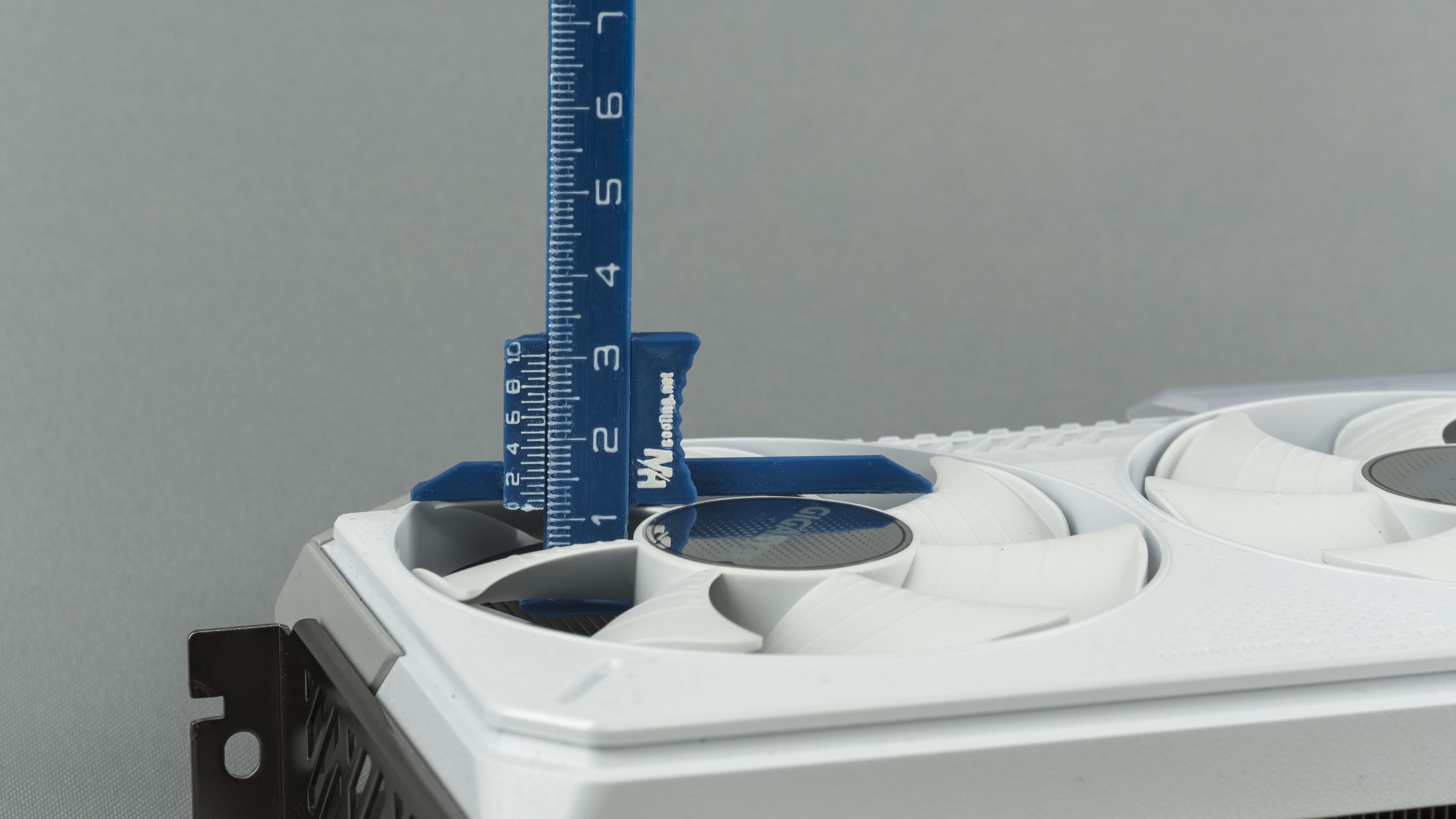
The fans are not particularly tall, with a height of only 11 mm, but they don’t appear low-profile. The impeller diameter is just under 9 cm, giving them rather classic proportions. Because they are smaller than is common today for cards in this category, they are quieter at higher speeds than fans with a larger diameter.
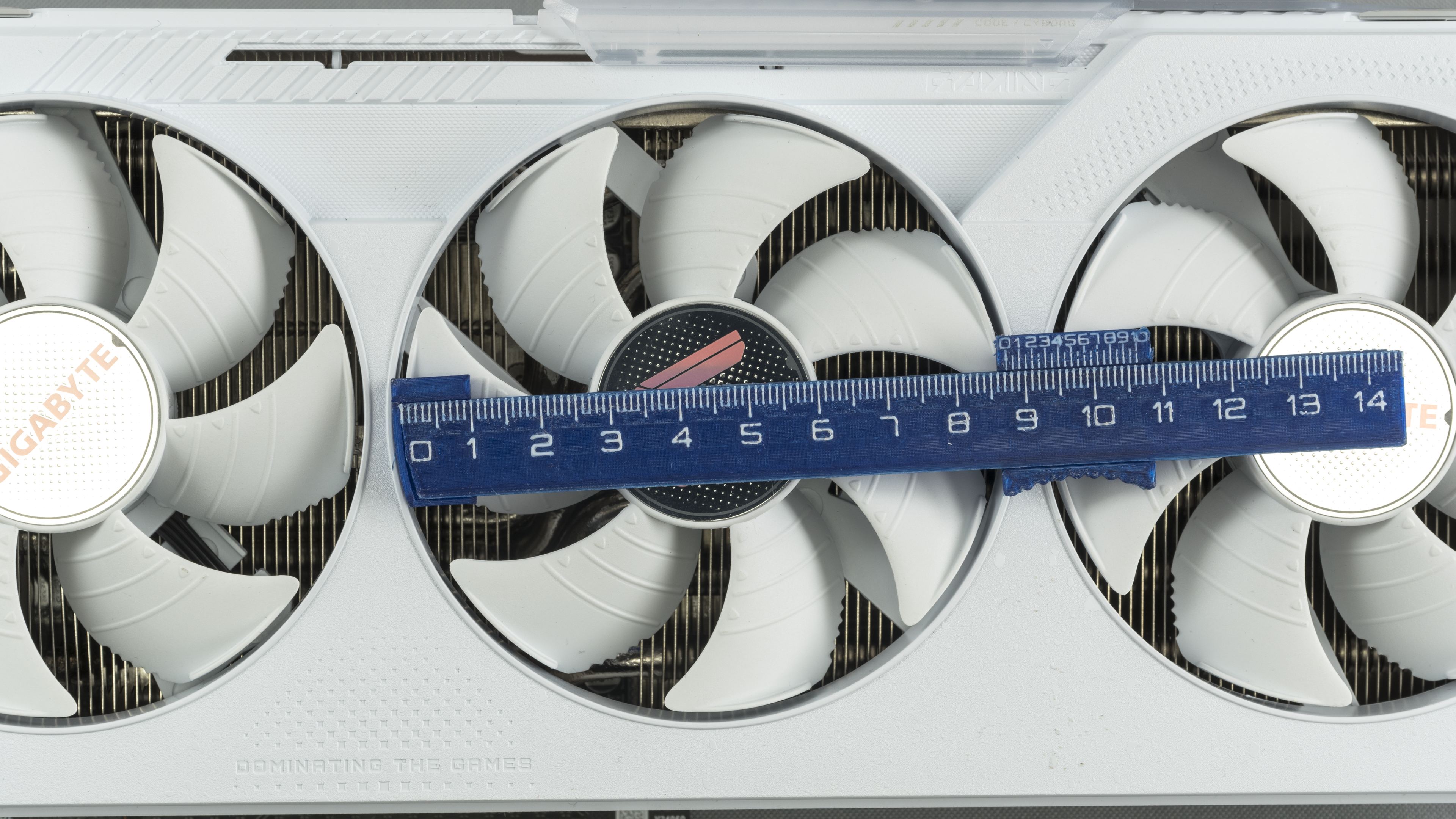
From the top, it’s clearly visible that they are counter-rotating. The middle fan has the opposite rotation direction. Beneath the third fan, you can see the window of the open-pass-through fin stack, which extends roughly two-thirds of its diameter.
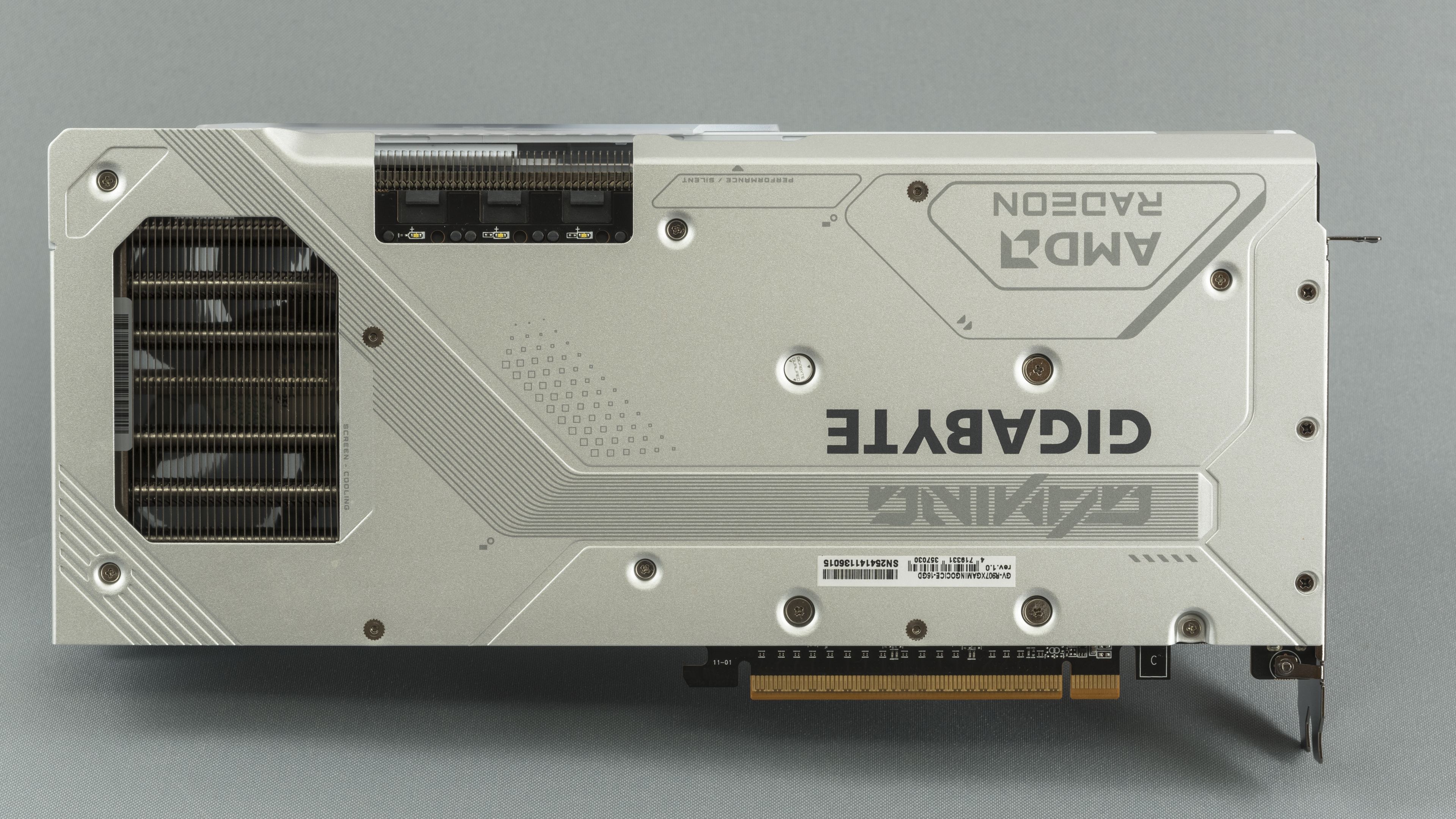
Along the outer edge of the card is a sliding cover. You can slide the transparent Gigabyte logo over a strip backlit by ARGB LEDs. The lighting effects can be configured using the Gigabyte Control Center application.
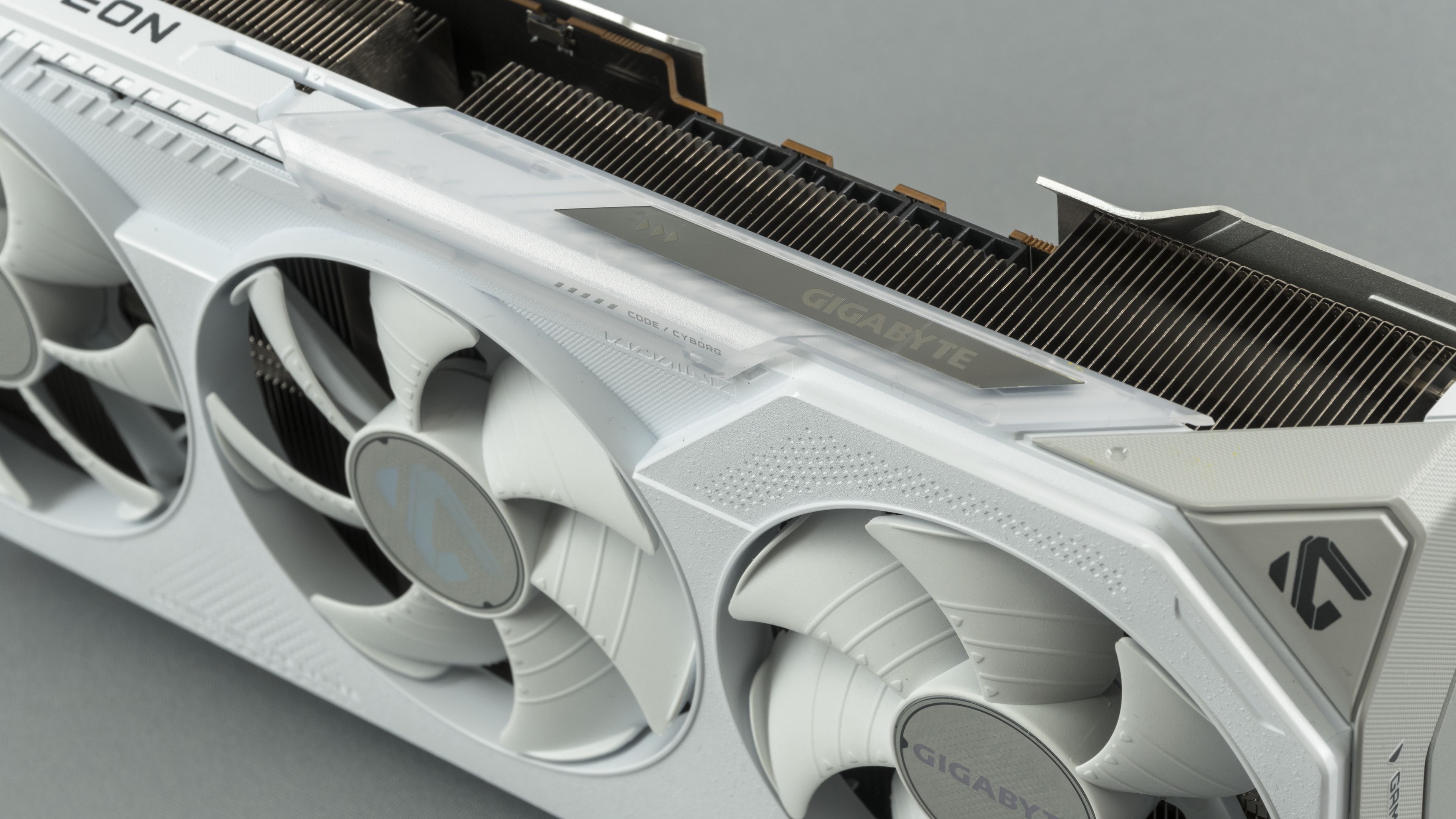
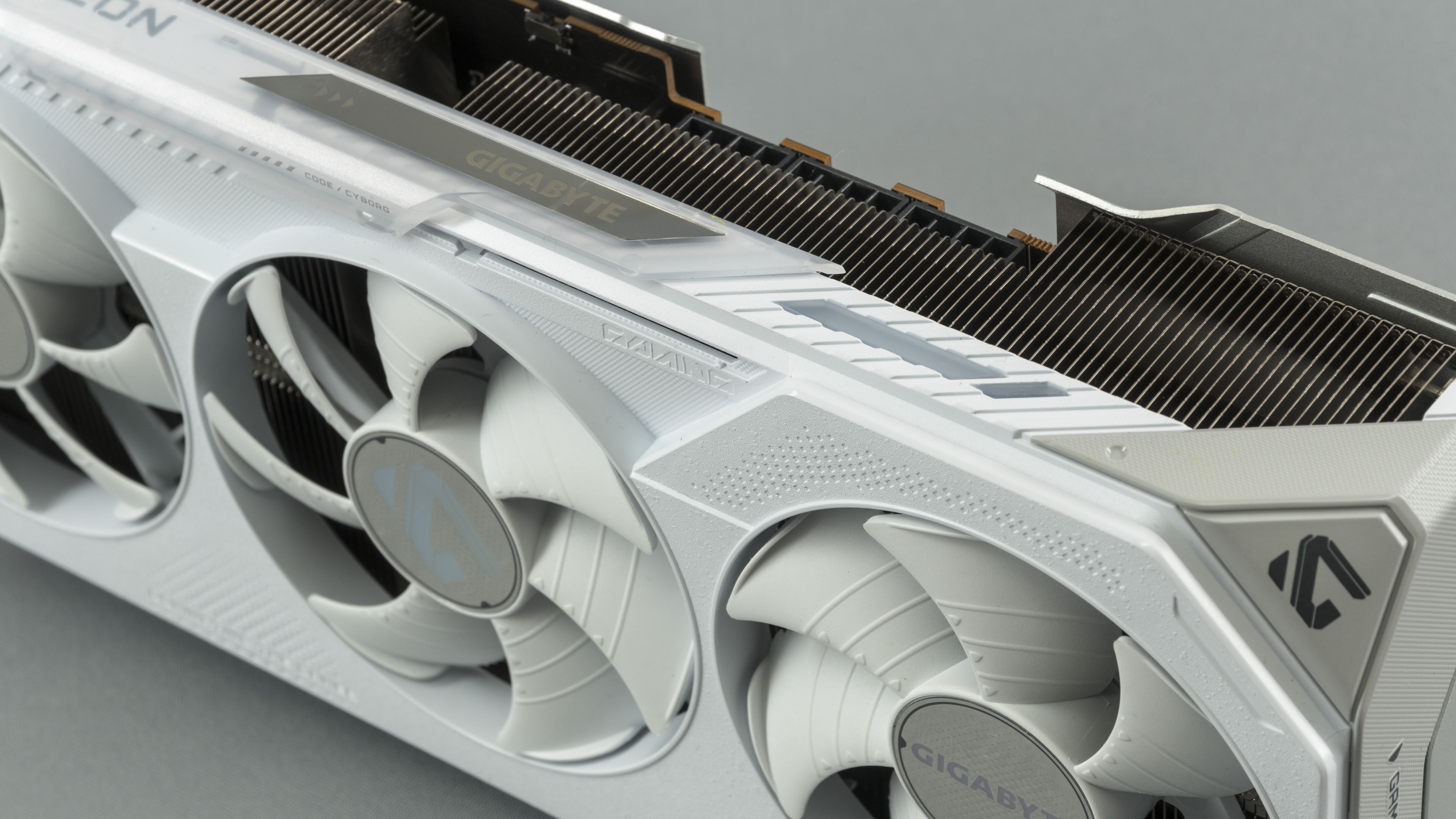
Weighing 1.28 kg, the card is among the lighter ones, similar in weight to the larger Sapphire Radeon Pulse RX 9070 XT.
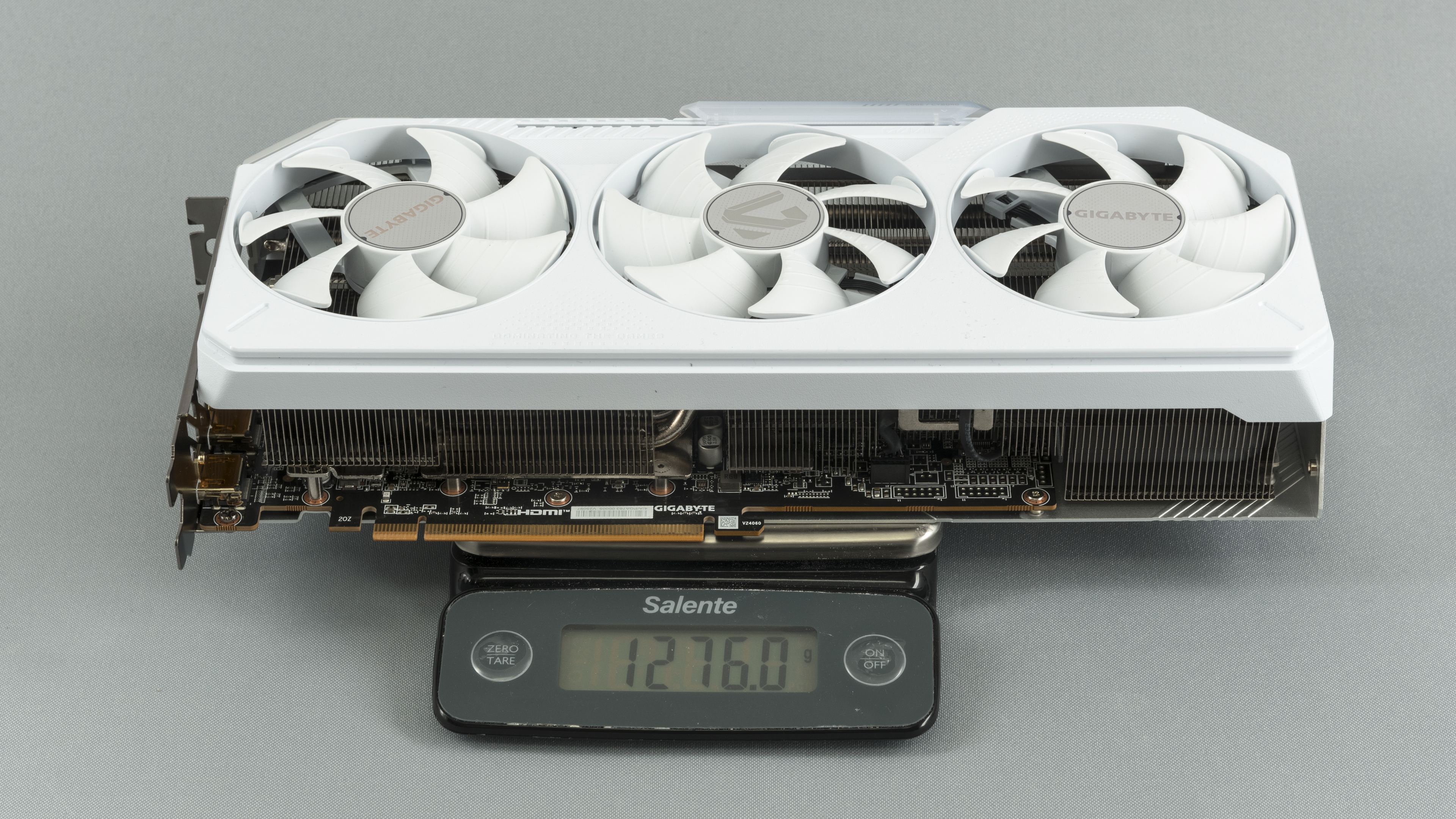
The card is shorter than most RX 9070 XT models, with a length of 29 cm from the bracket.
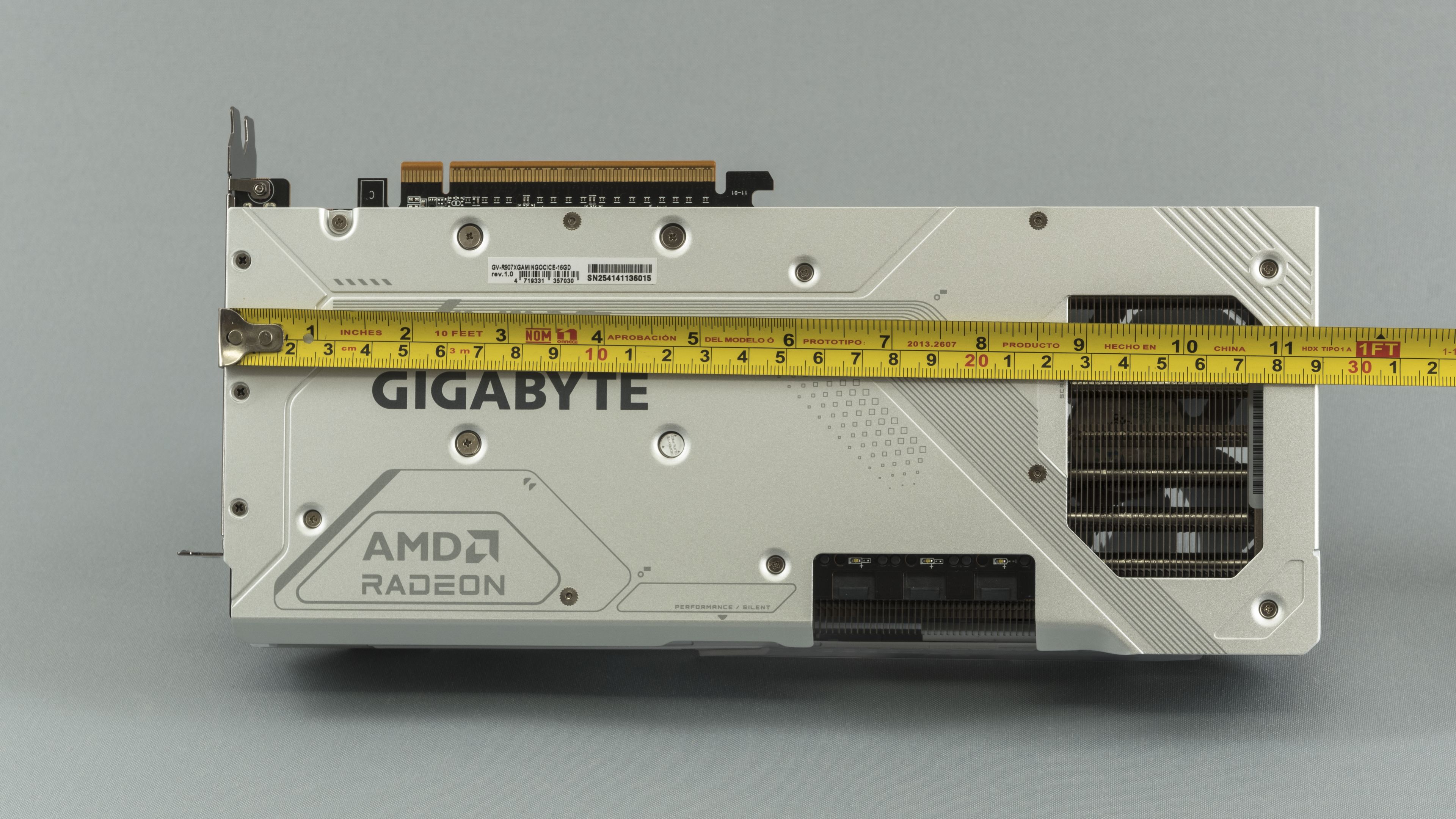
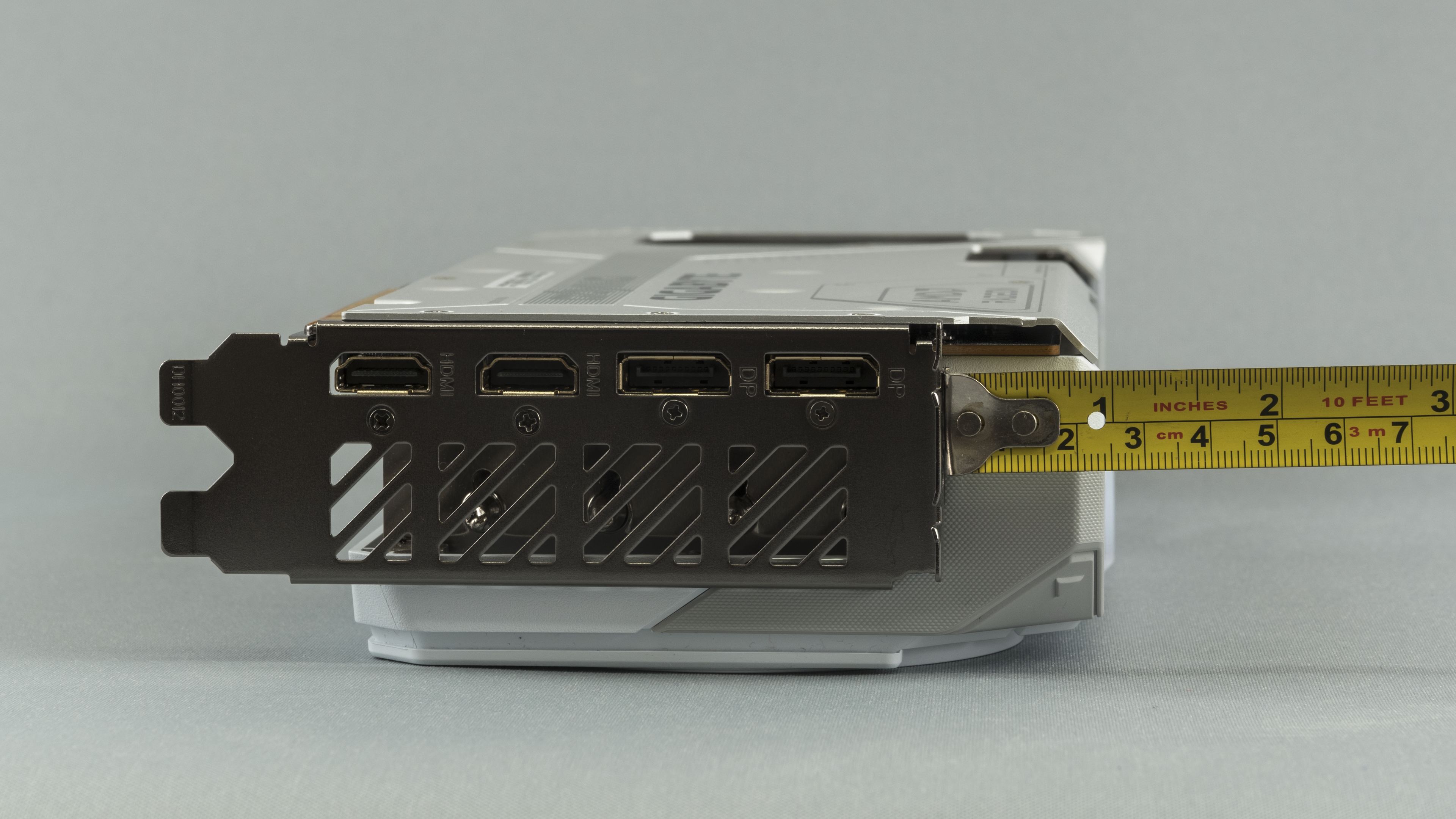
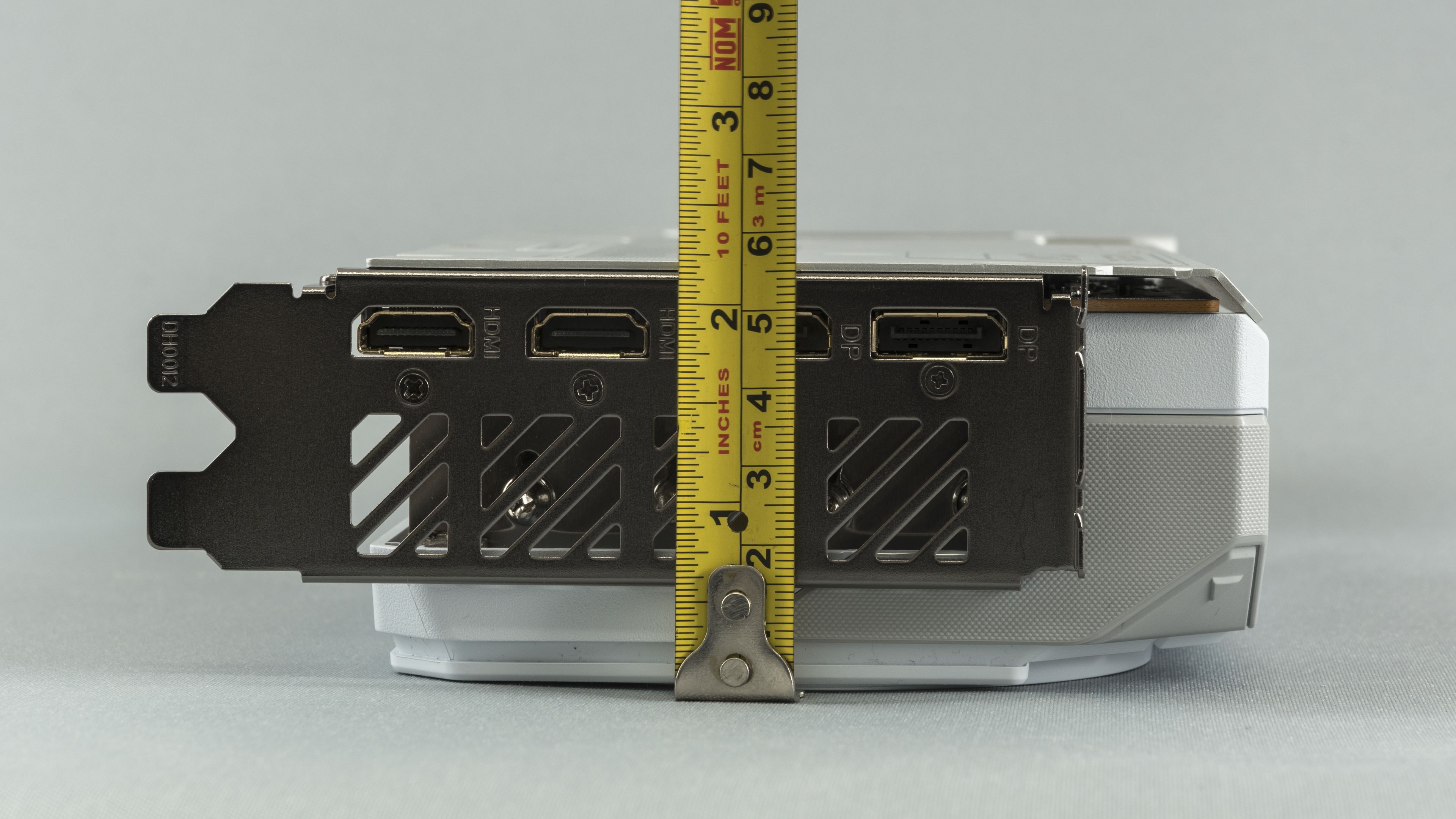
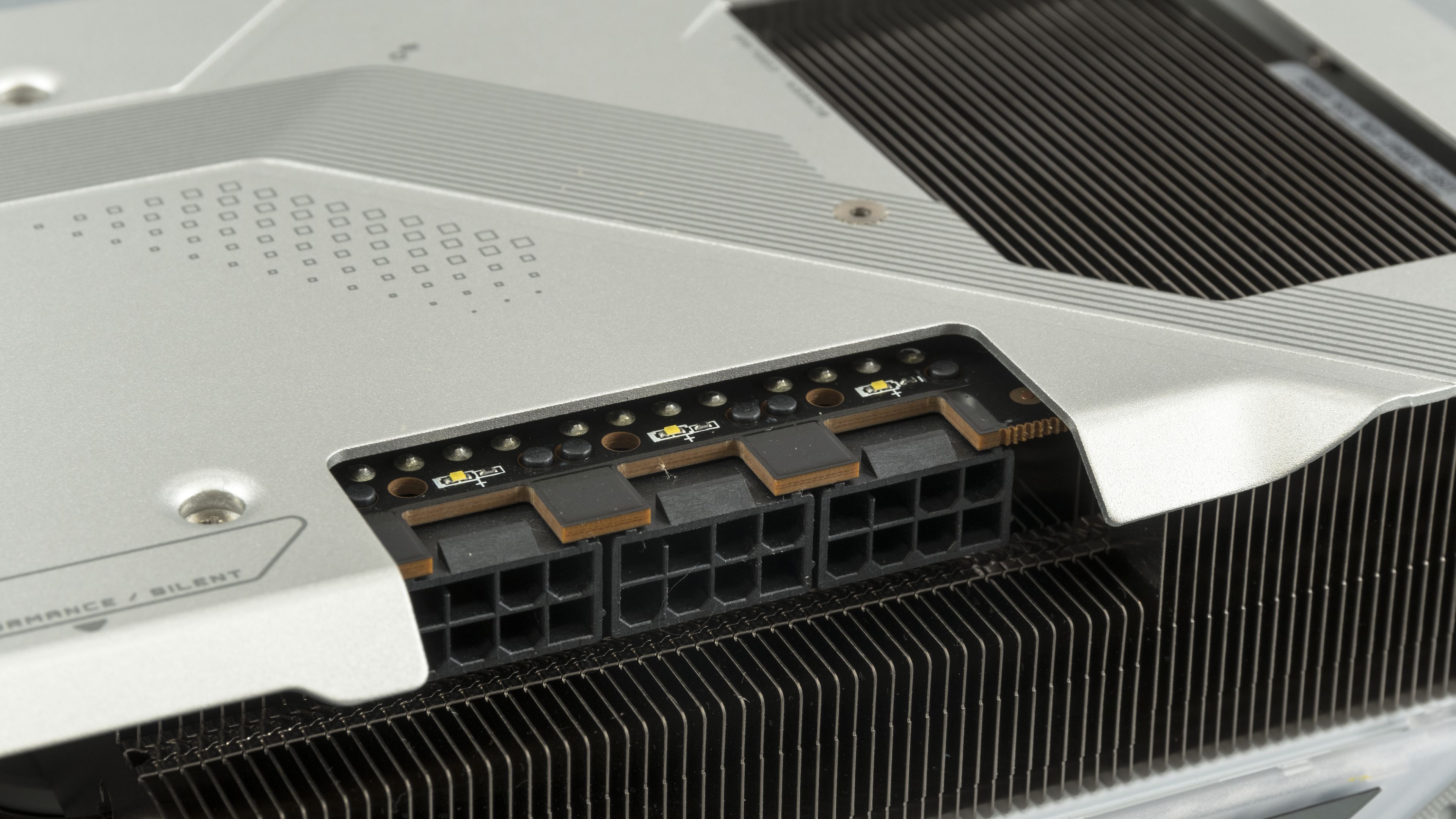
It extends sideways from the bracket by just under 3 cm. The power connectors are also recessed into the card’s body, allowing it to fit even into narrower cases. Its height exceeds two slots, so expect to need at least three slots in your case, and for better air intake under the card, preferably four slots.
The BIOS switch is located next to the auxiliary power connectors; you can choose between Performance and Silent modes. The default is Performance; as usual, we will test using the quieter Silent BIOS.
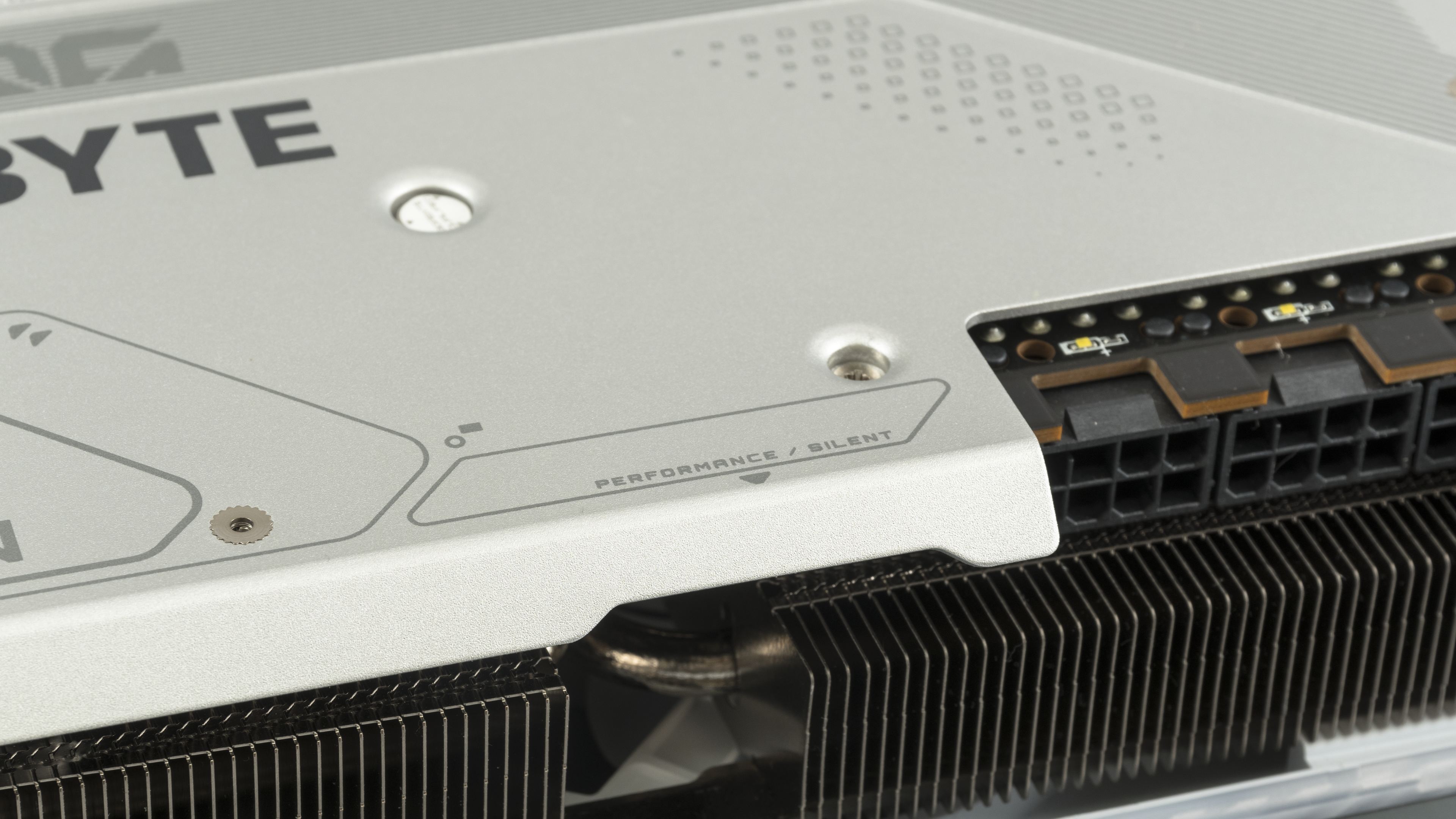
For auxiliary power, a trio of traditional 8-pin connectors is available. The reason the manufacturer opted for three is likely the 330 W power limit with the possibility of a further increase to 363 W. Theoretically, a pair of 8-pin connectors and 66 W on the +12V rail from the slot should suffice, but having a reserve is better, especially due to occasional power spikes that exceed these values.
There is an LED next to each connector signaling power issues. If it is off, everything is fine; if it is lit, the cable is disconnected; and if it is blinking, there is a problem with the power supply.
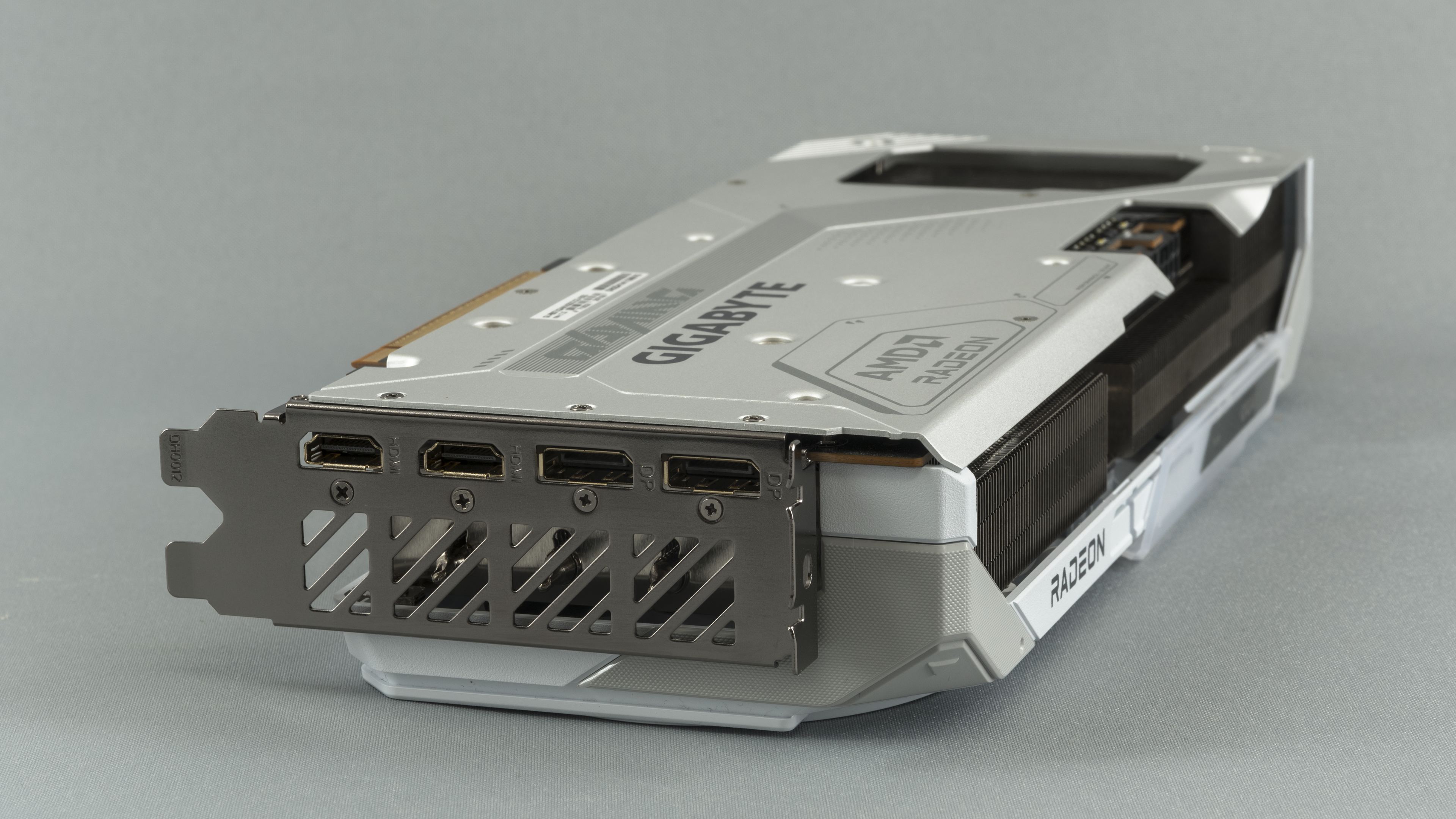
The port configuration differs from the usual setup. Instead of three DisplayPort 2.1b connectors, the card has only two, with the third DisplayPort replaced by a second HDMI 2.1b connector. The DisplayPorts support UHBR13.5 mode, whereas GeForce cards already support the faster UHBR20 mode.
That should suffice regarding the card’s design; in the following chapters, we will look at the test results.
⠀