


Many ASUS graphics cards let you remove the fan shroud without breaking the warranty seal. We did that last time with the ASUS Prime RTX 5070 and swapped its fans—noisier than usual at low speeds—for Arctic P12 Slim fans. However, standard 25 mm fans usually provide higher static pressure and can cool more quietly. Let’s see how the card performs with the top-of-the-line Noctua NF-A12x25 and its successor, the NF-A12x25 G2.
Detail of individual measurements
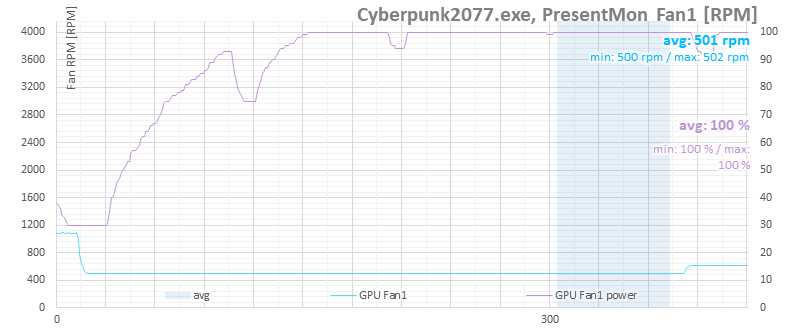
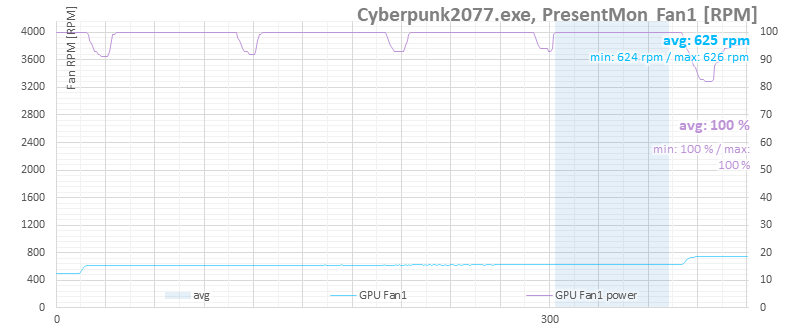
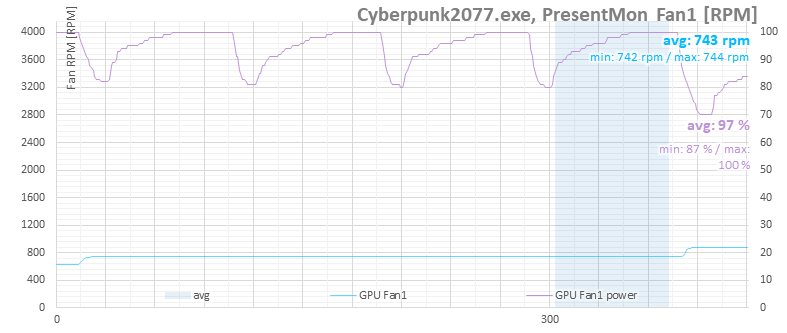
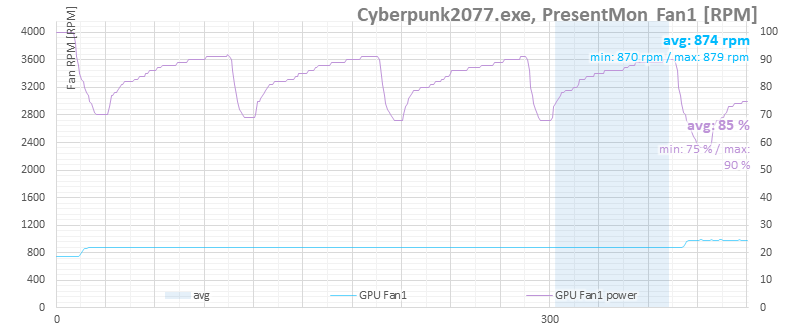
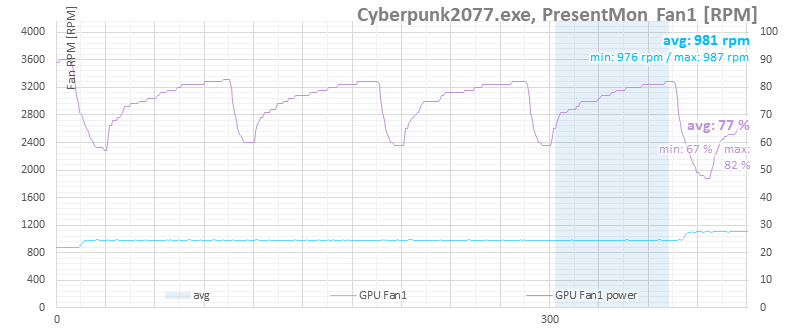
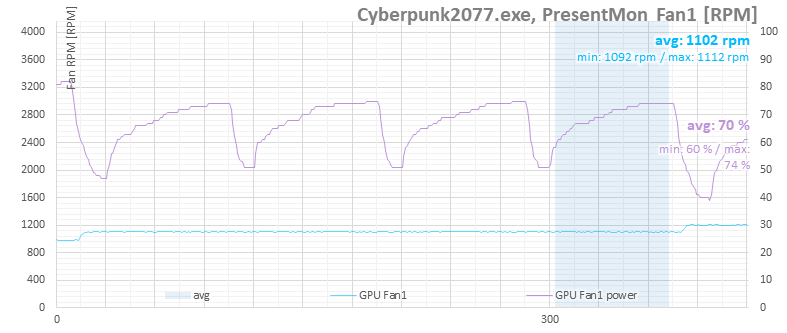
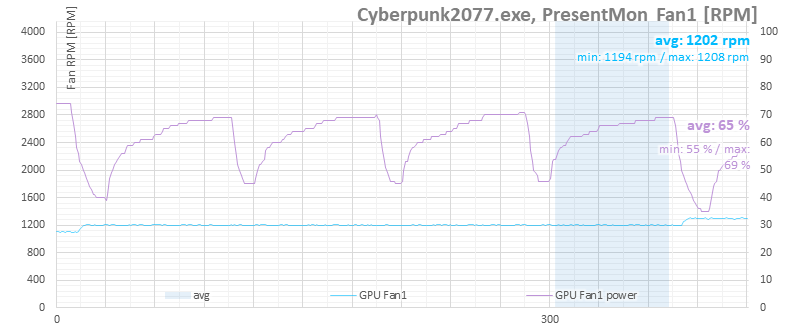
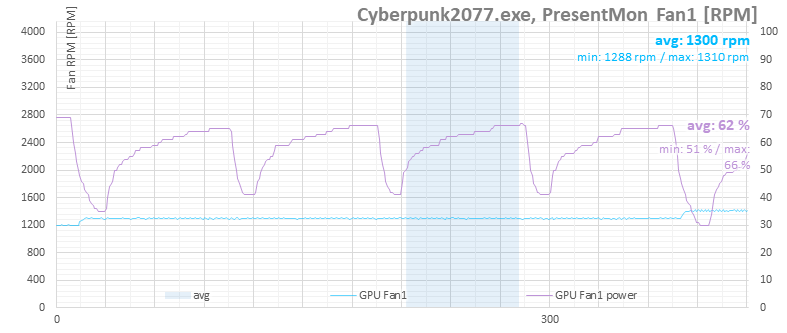
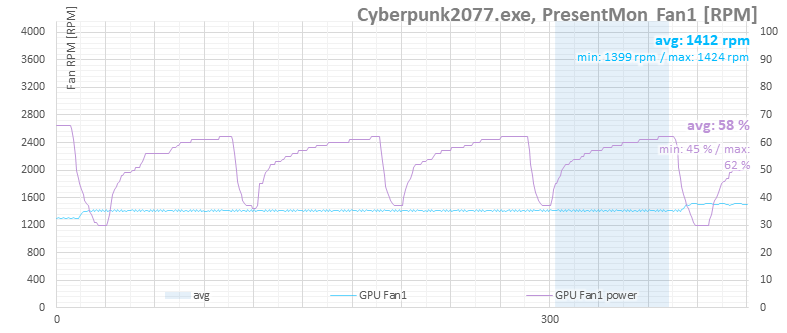
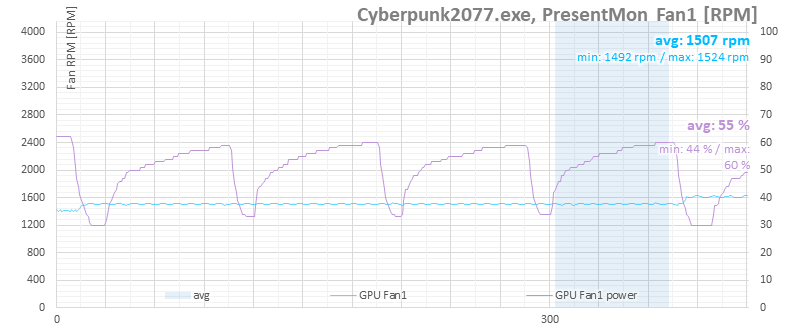
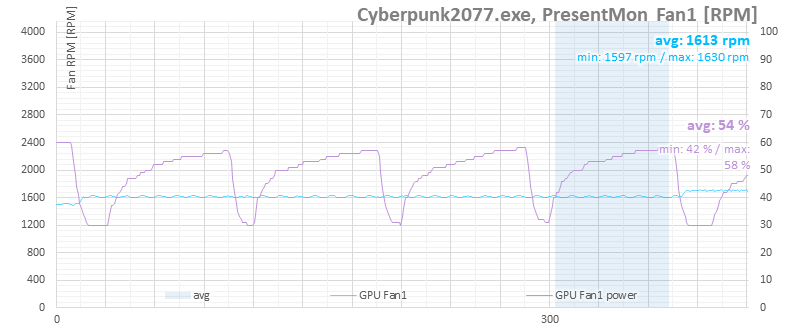
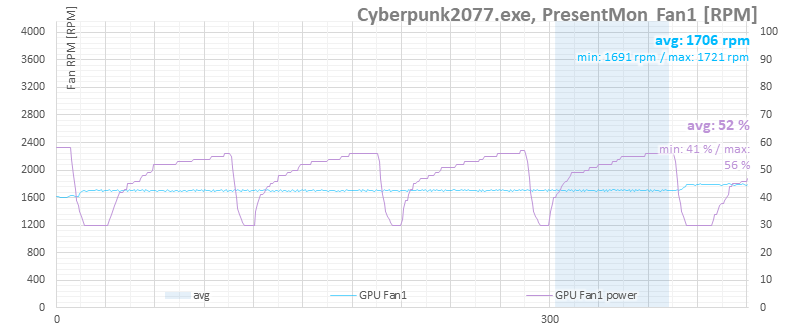
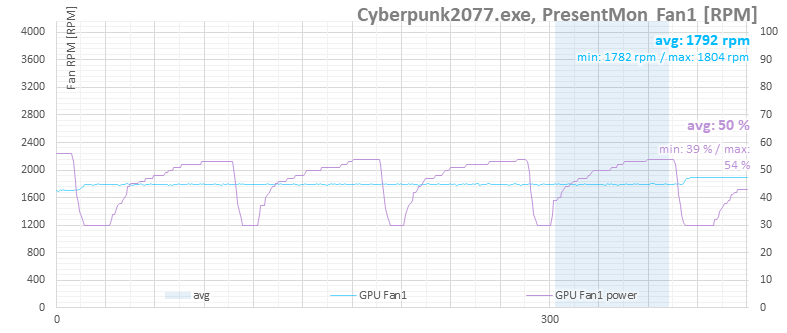
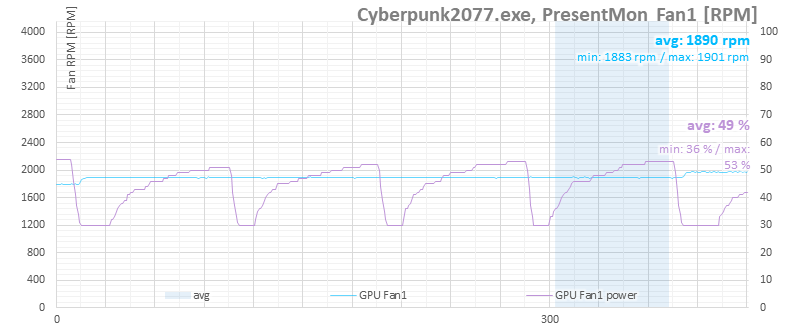
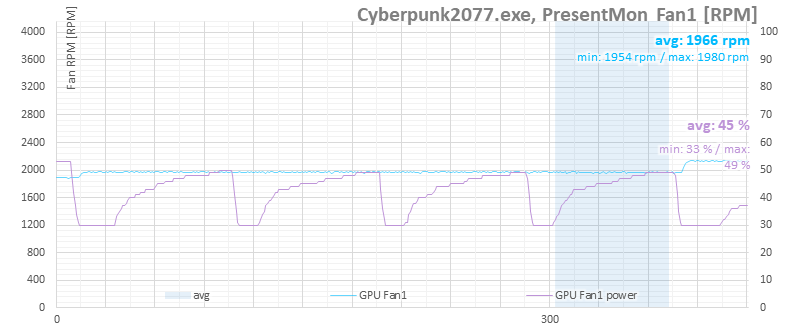
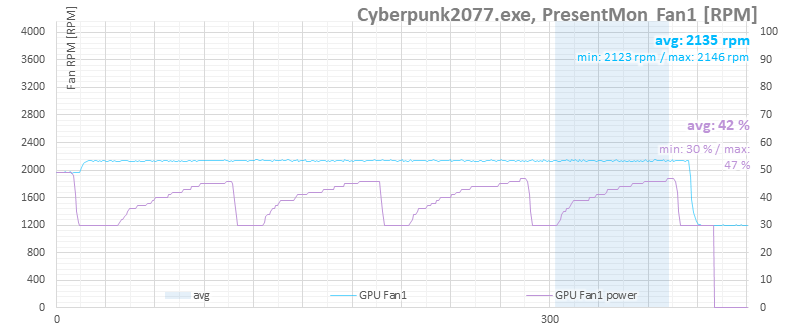
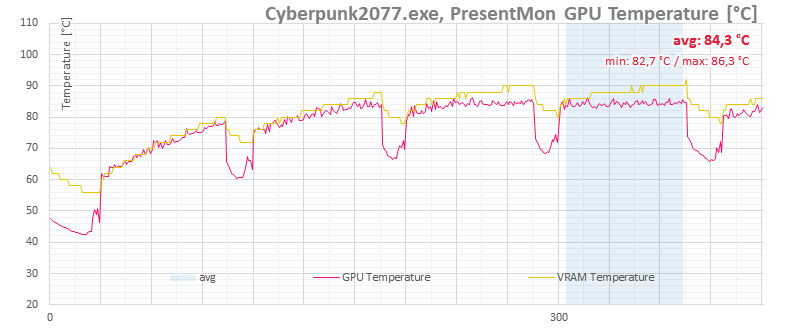
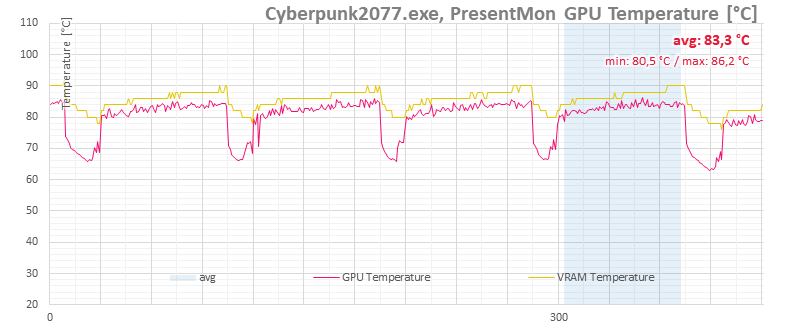
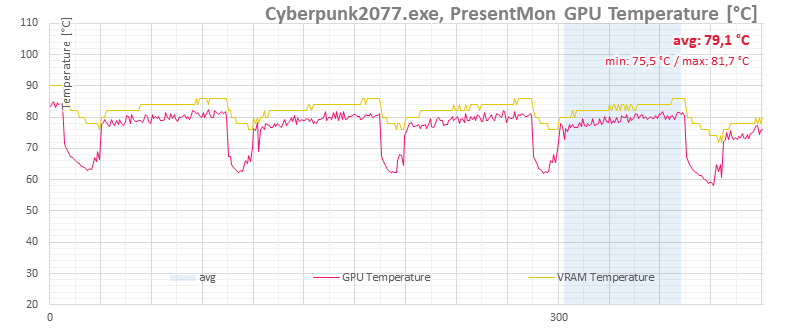
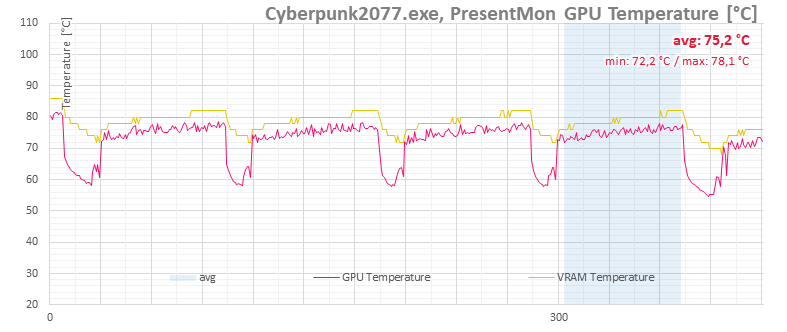
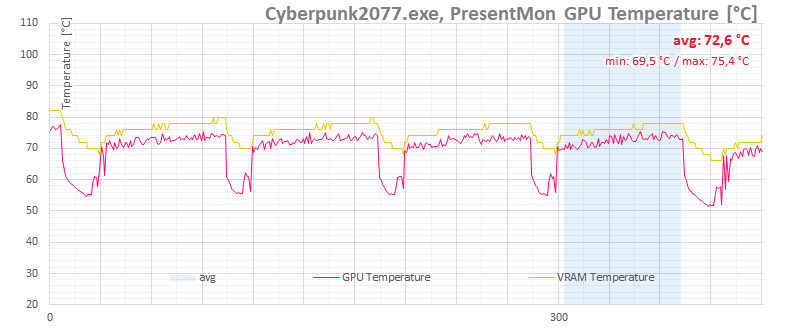
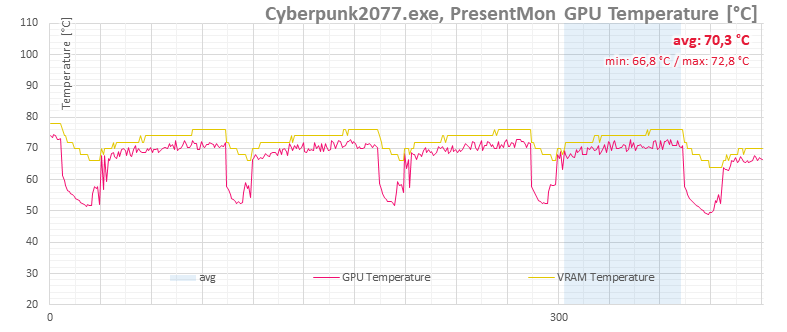
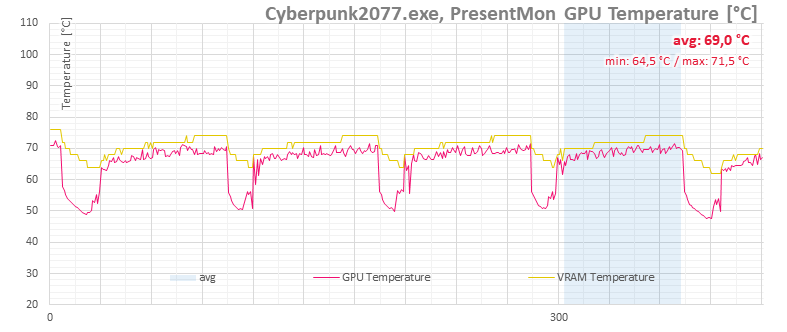
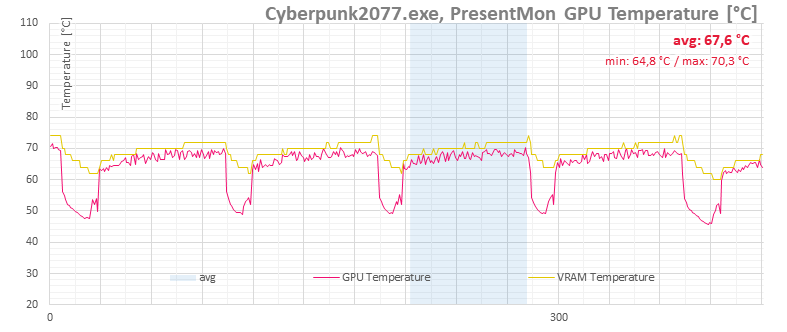
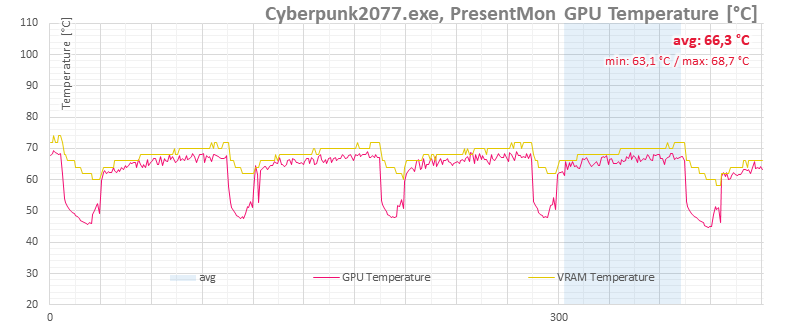
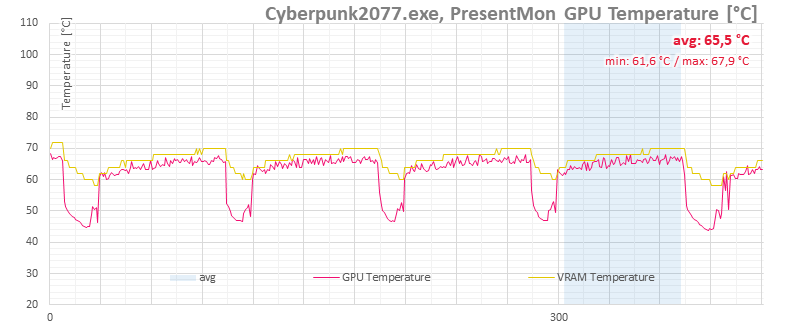
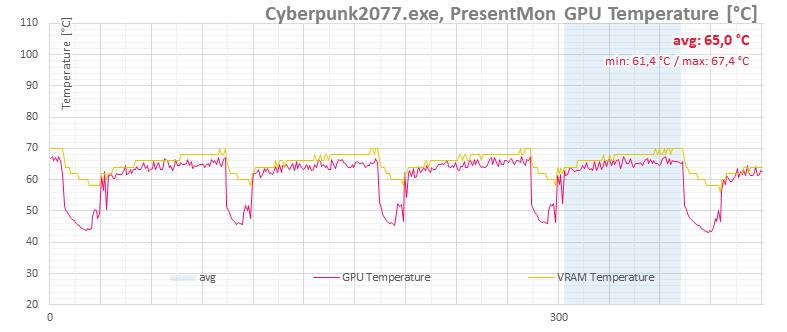
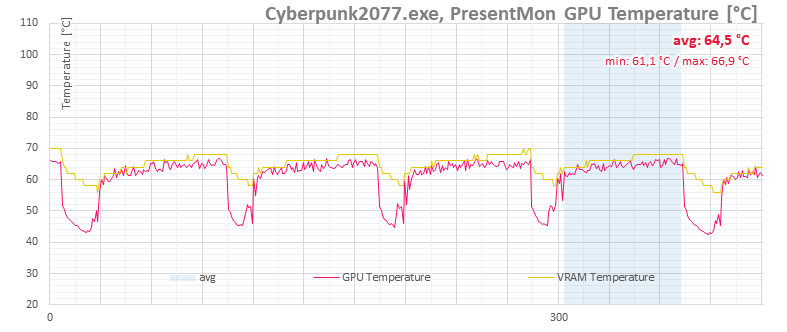
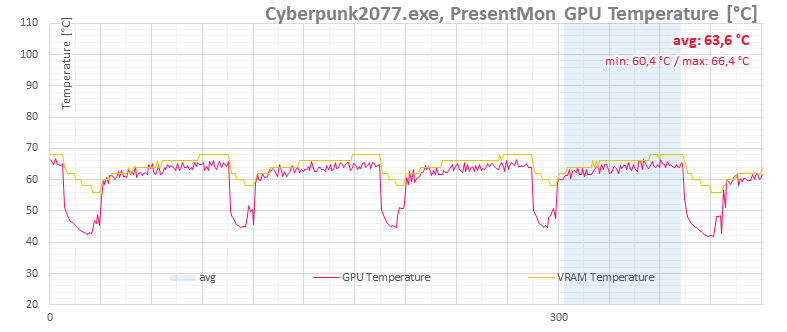
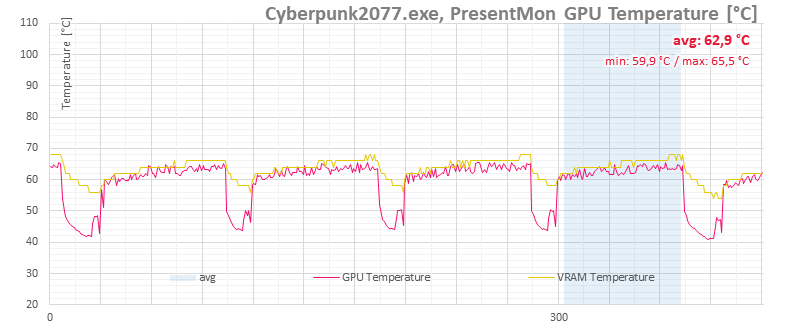
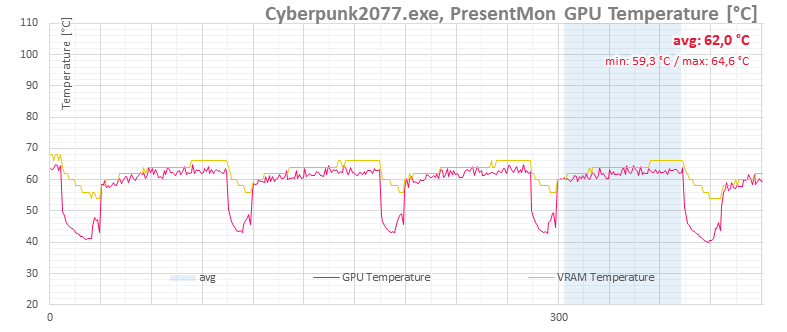
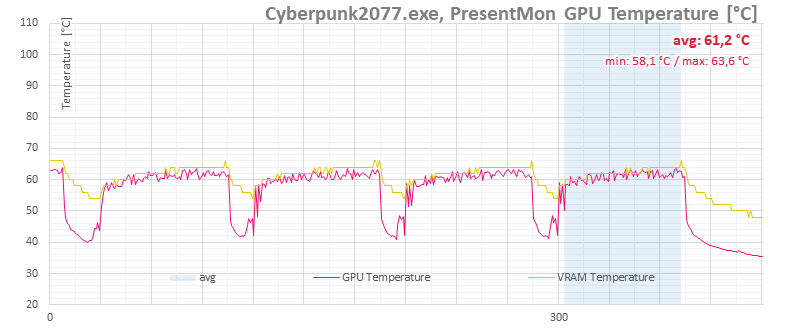
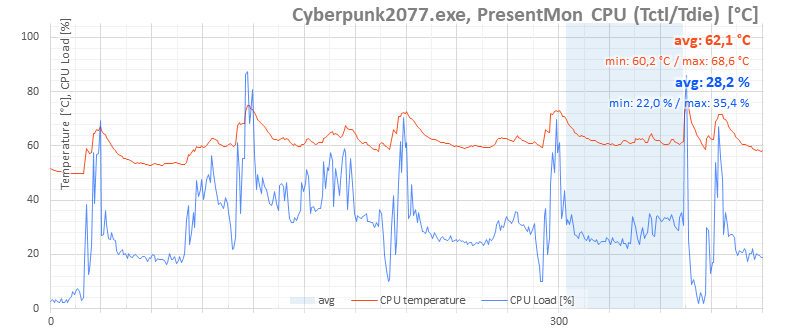
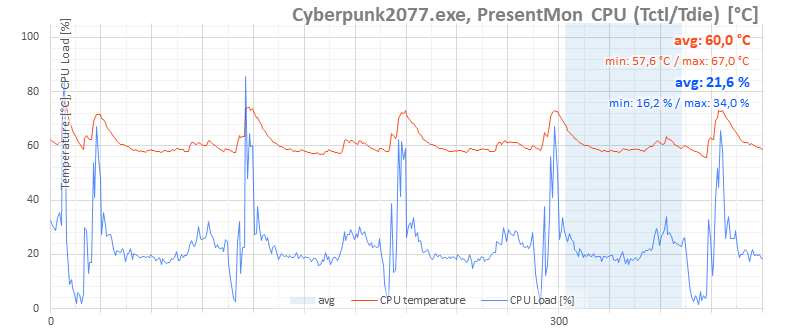
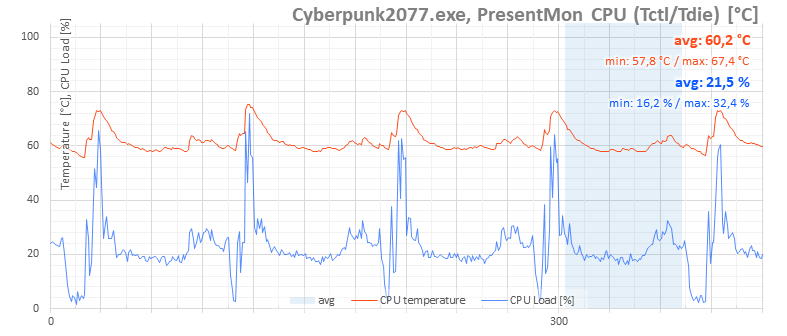
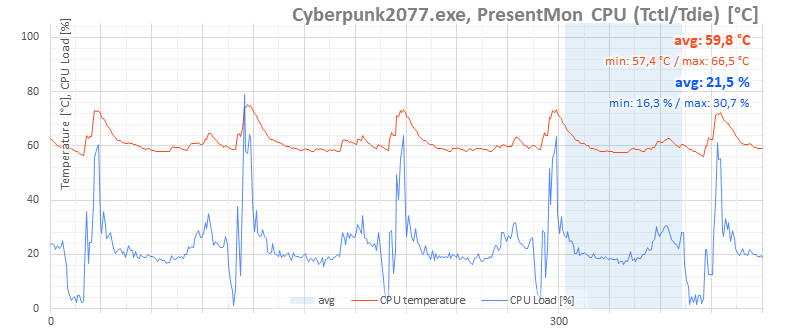
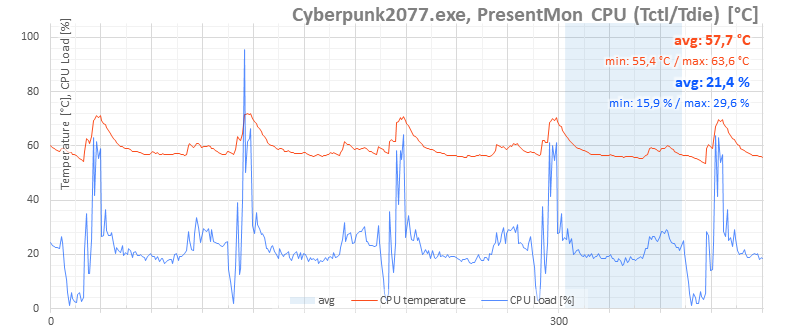
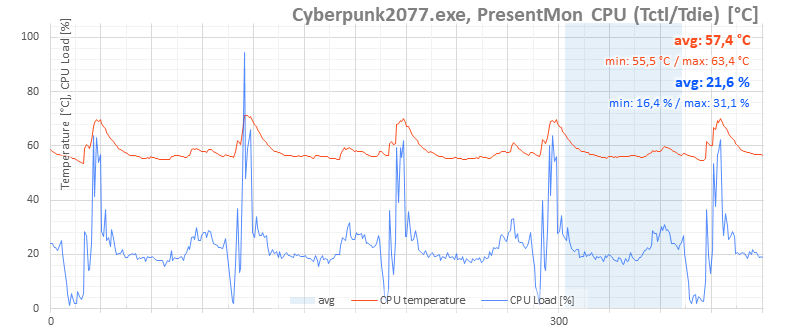
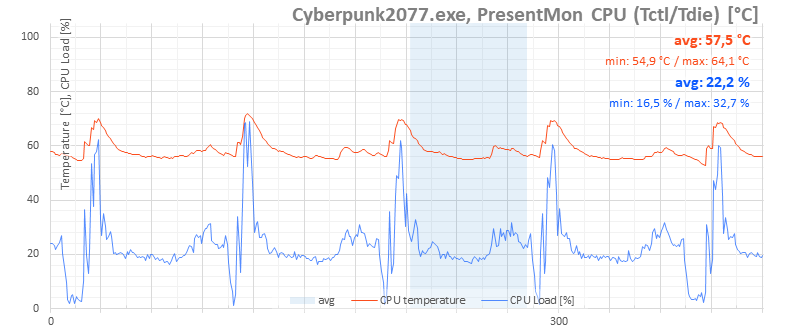
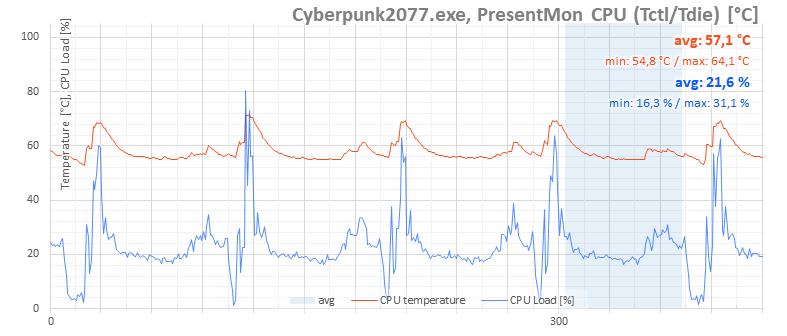
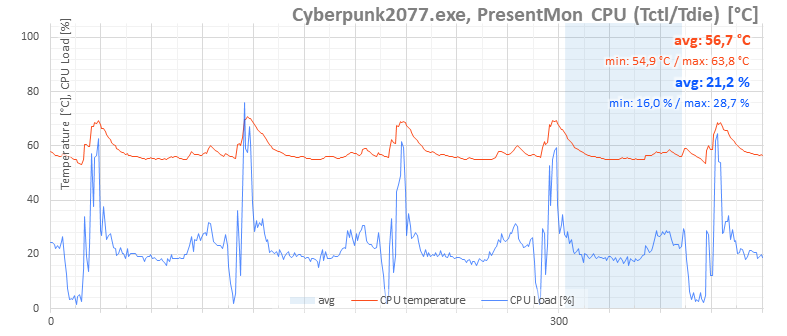
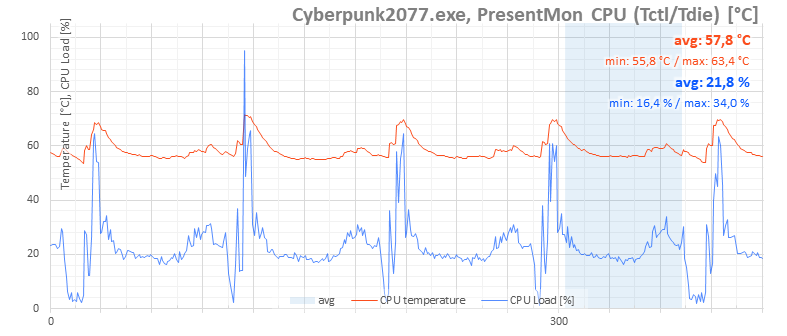
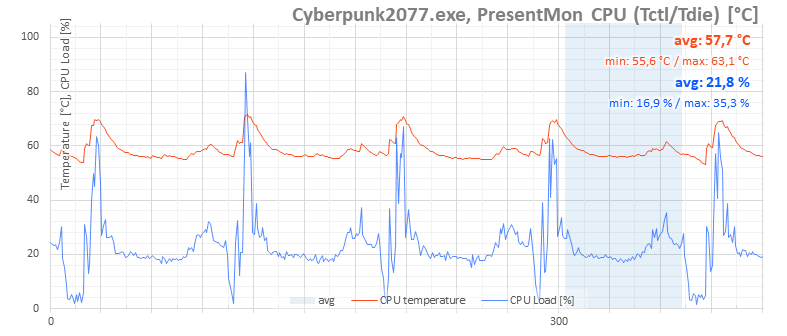
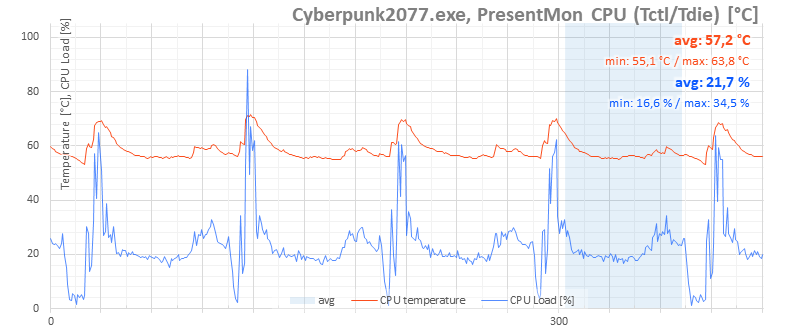
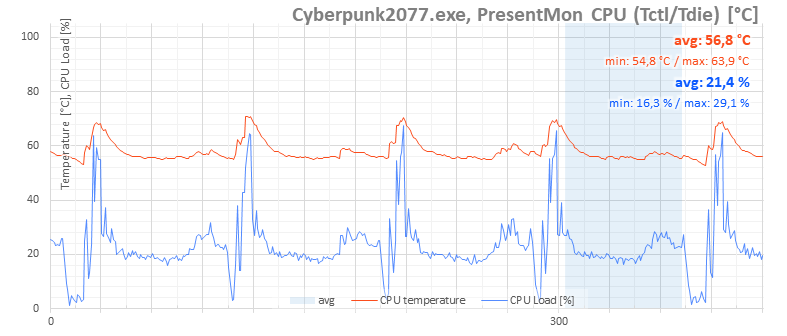
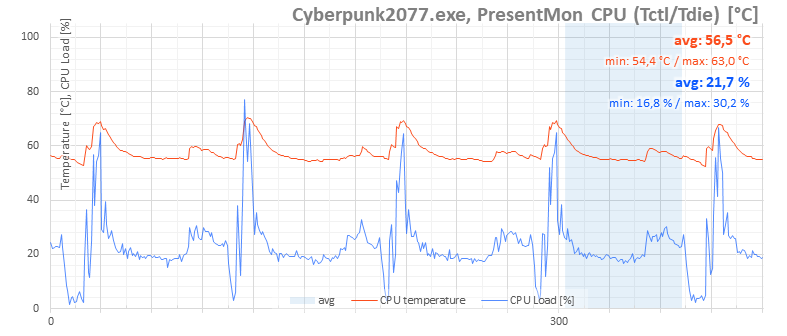
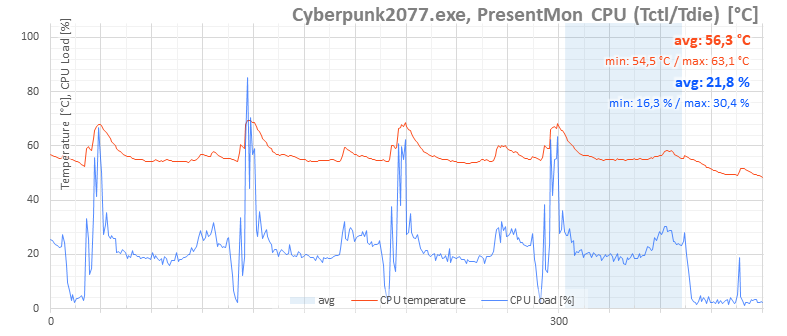
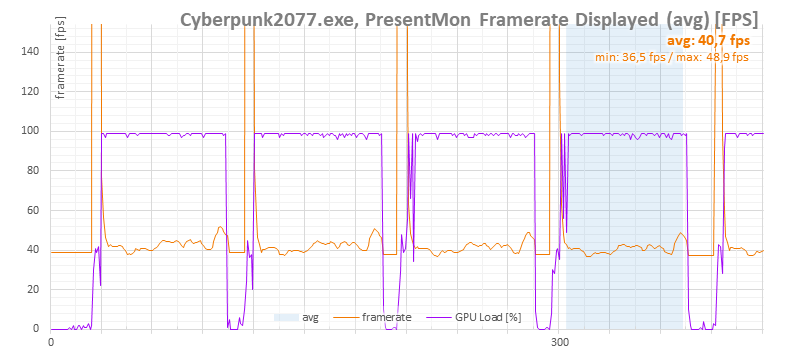
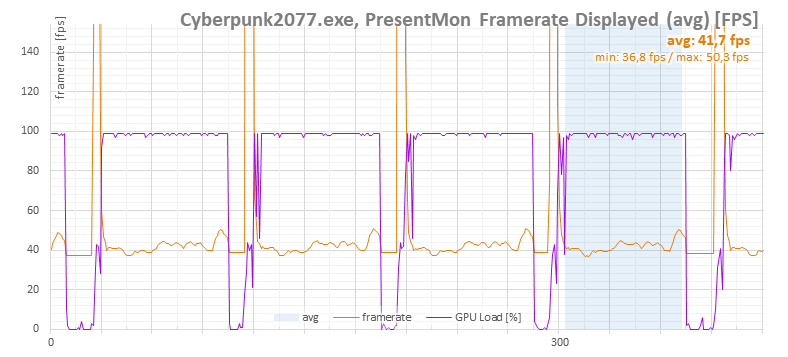
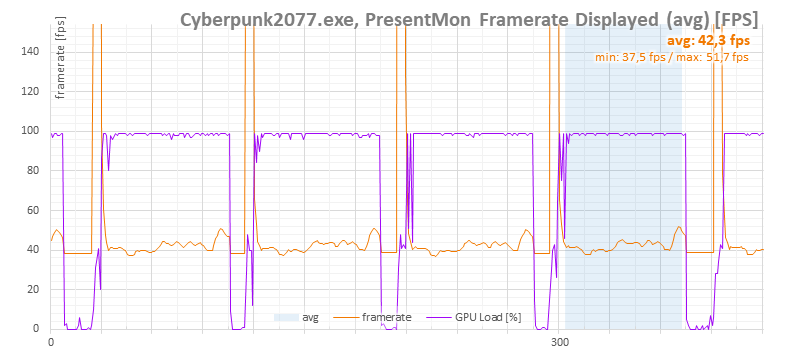
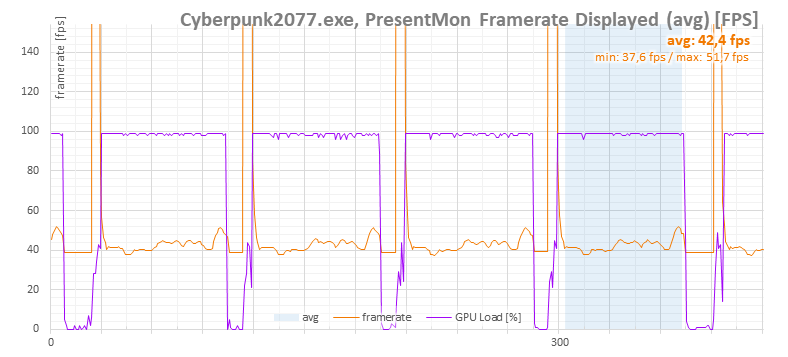
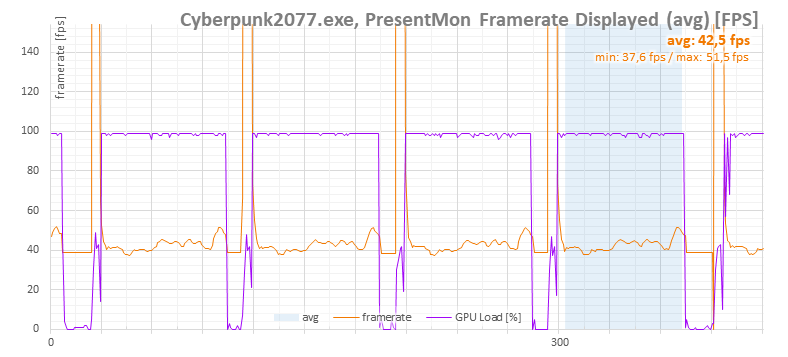
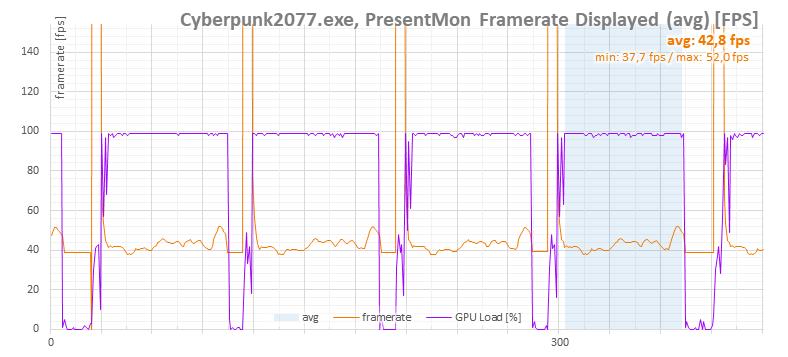
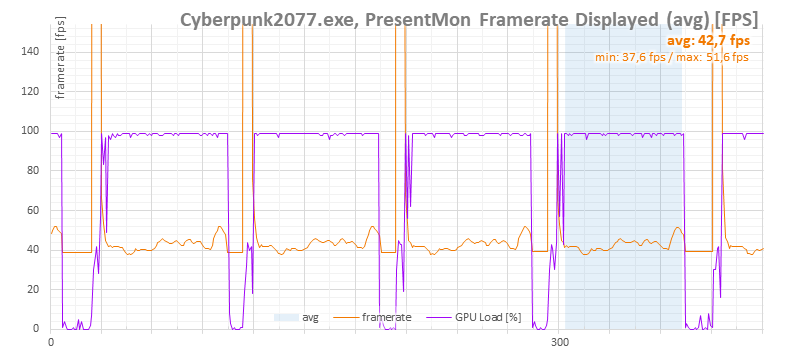
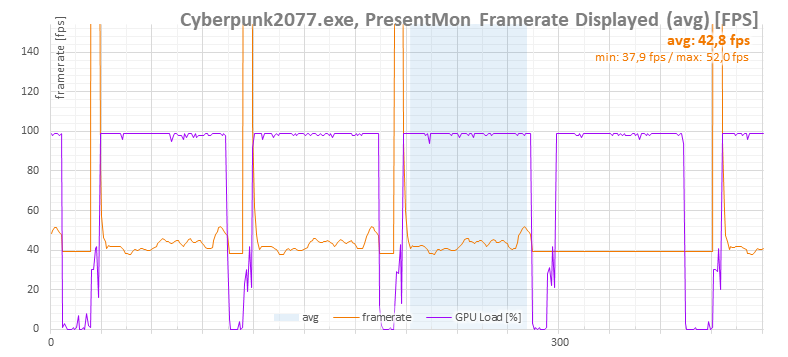
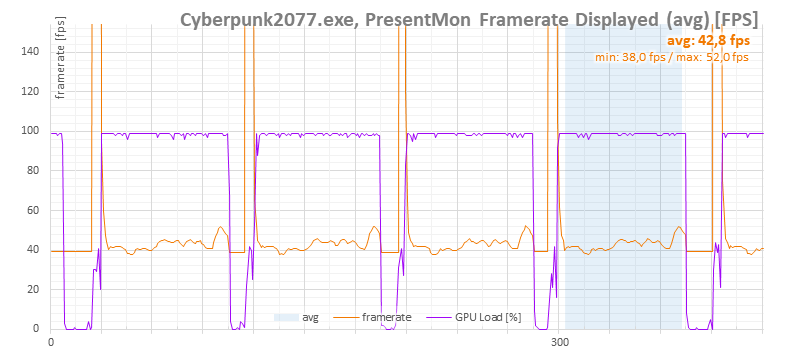
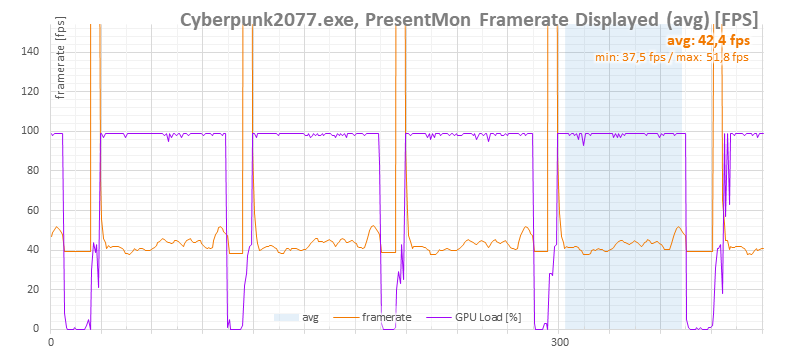
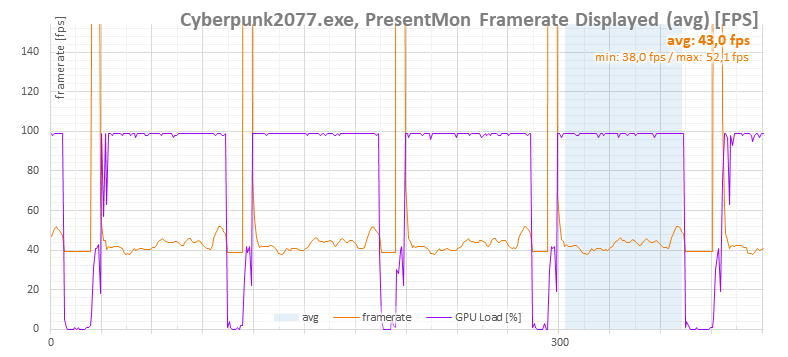
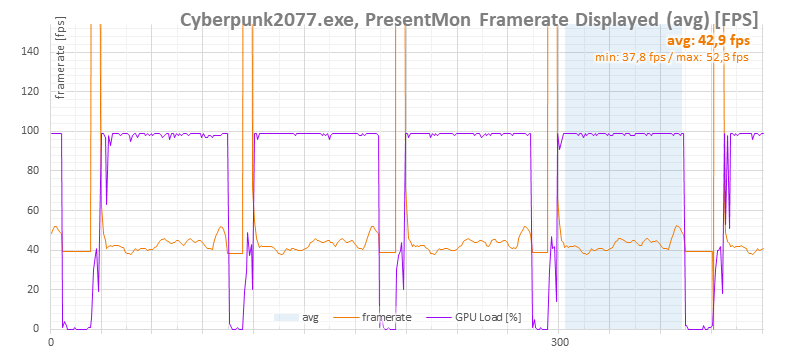
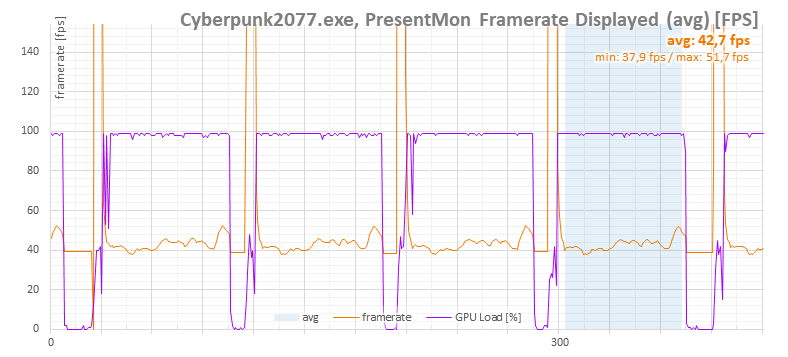
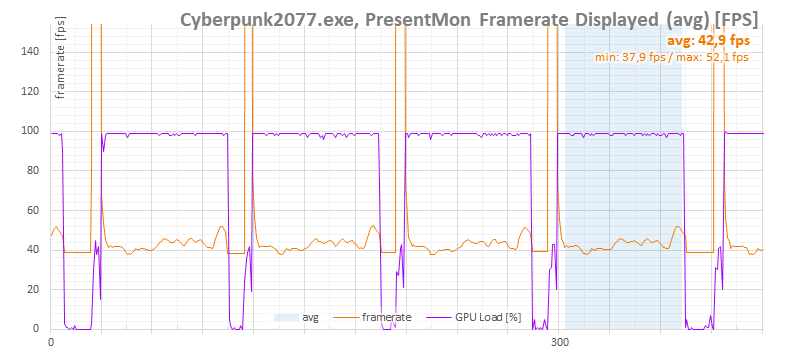
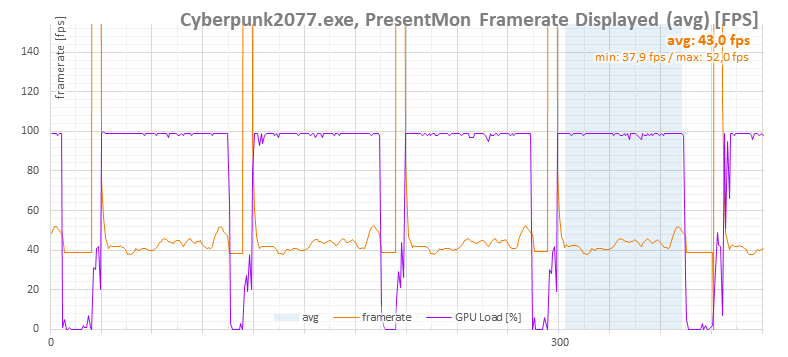
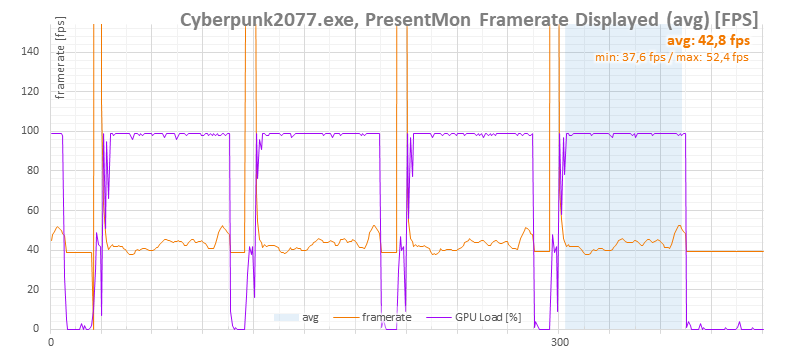
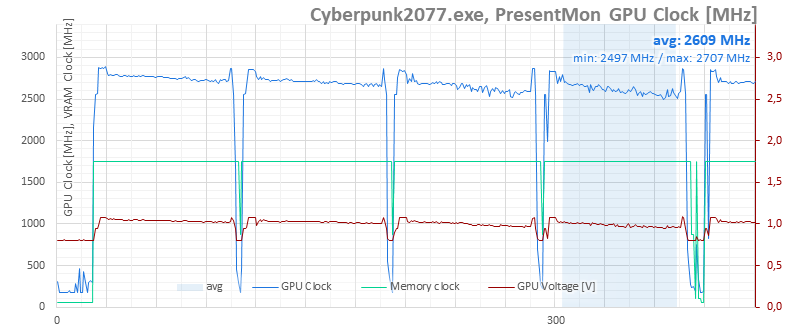
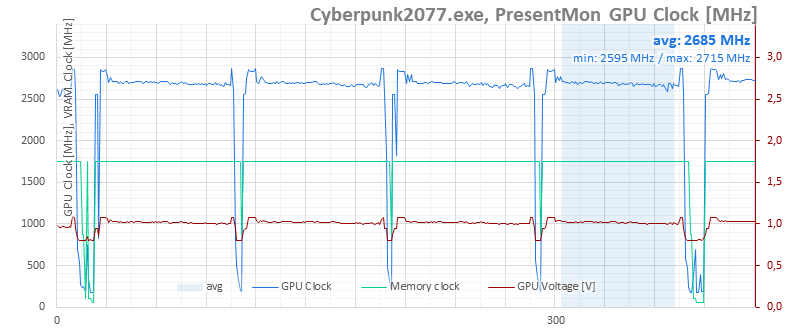
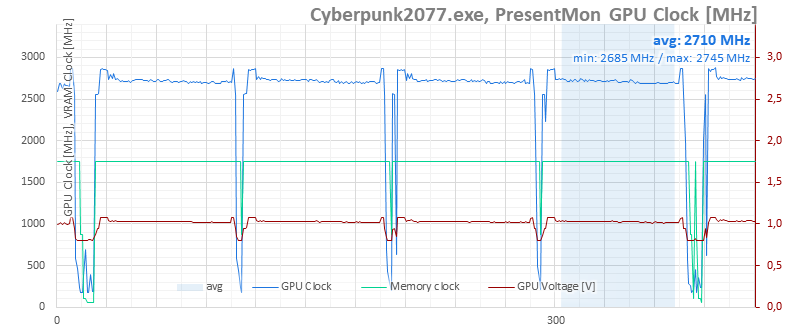
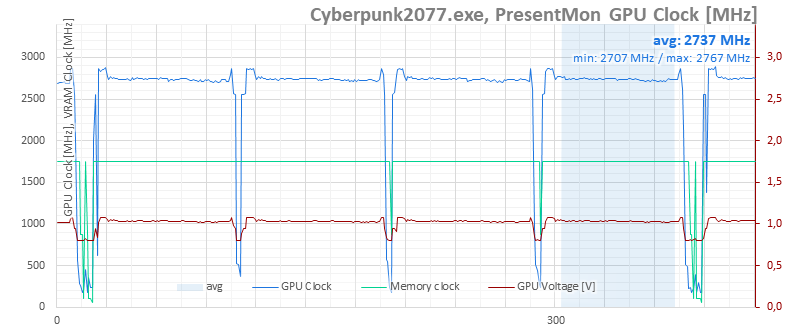
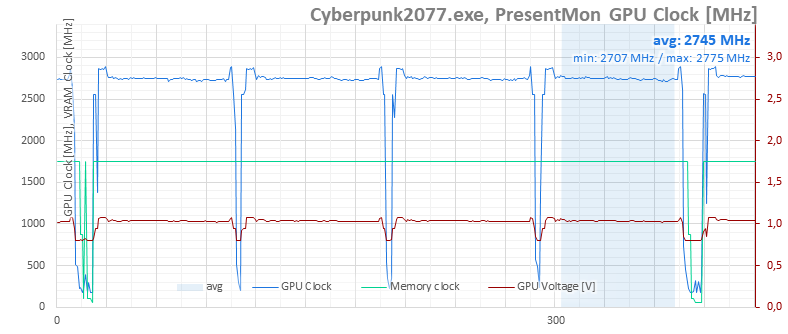
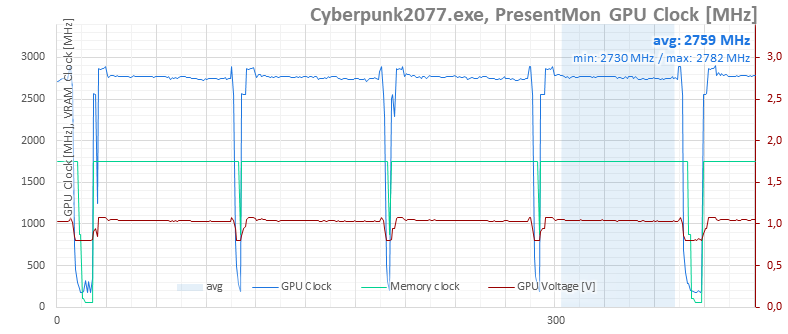
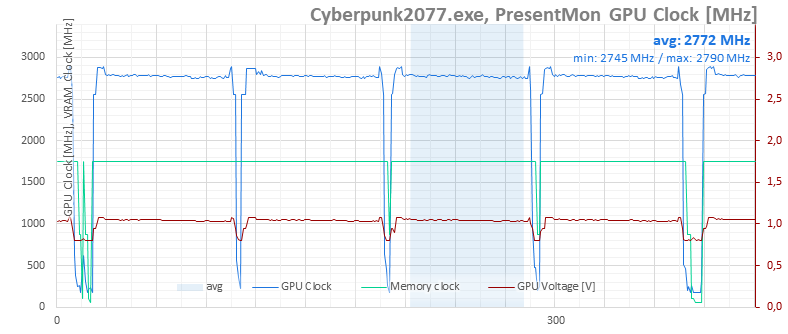
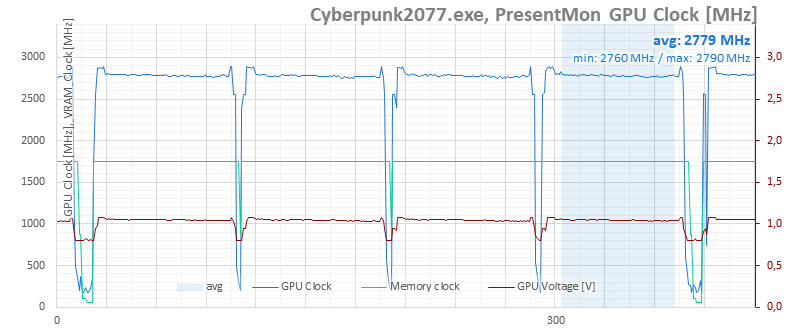
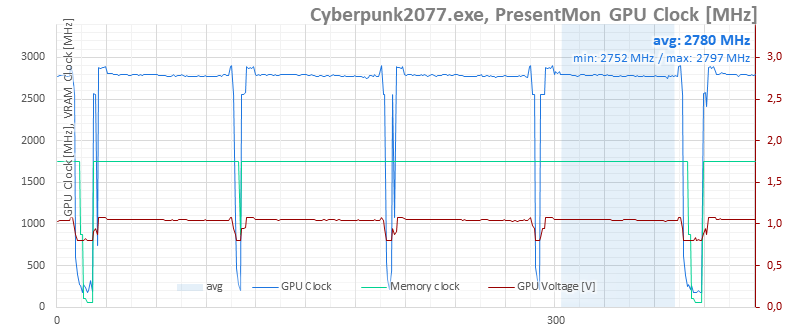
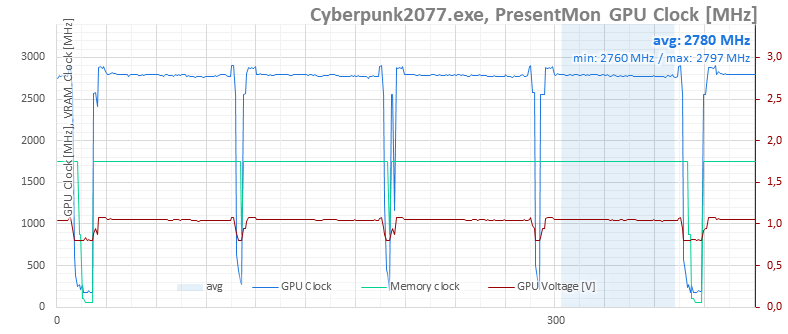
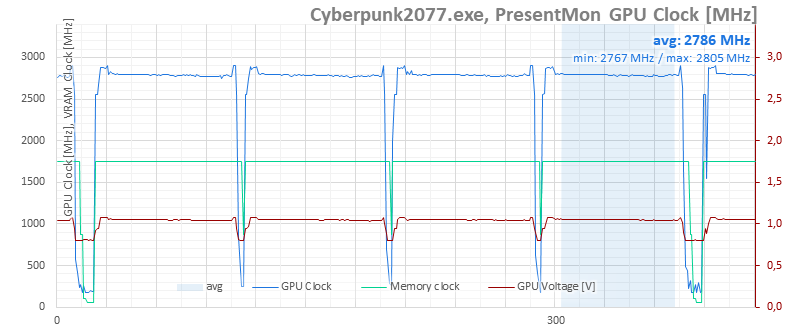
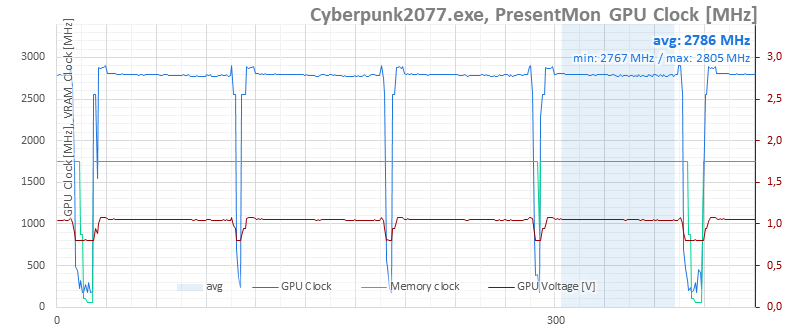
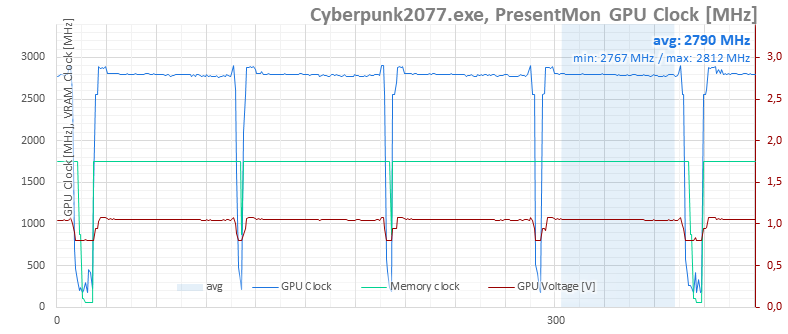
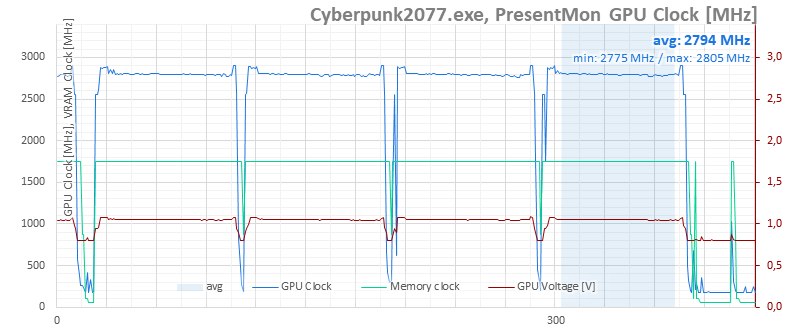
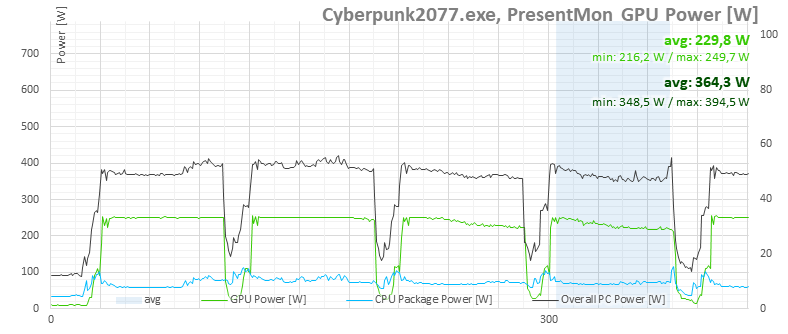
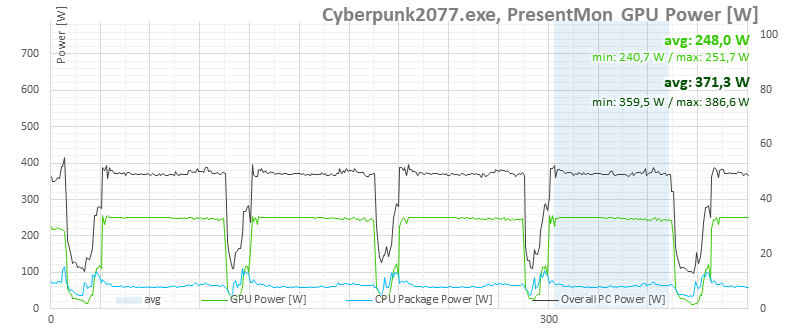
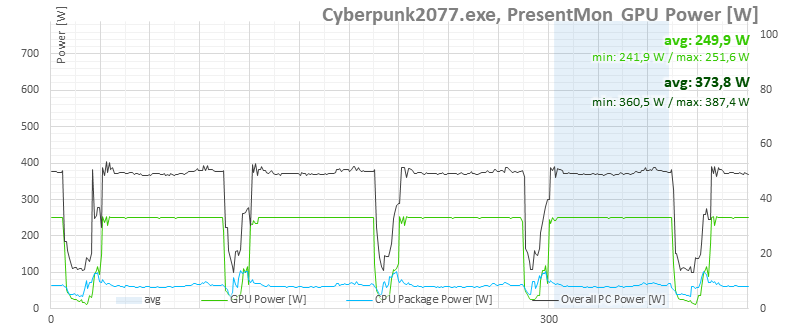
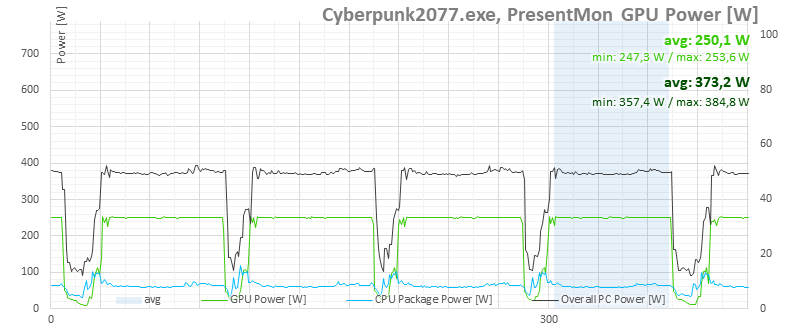
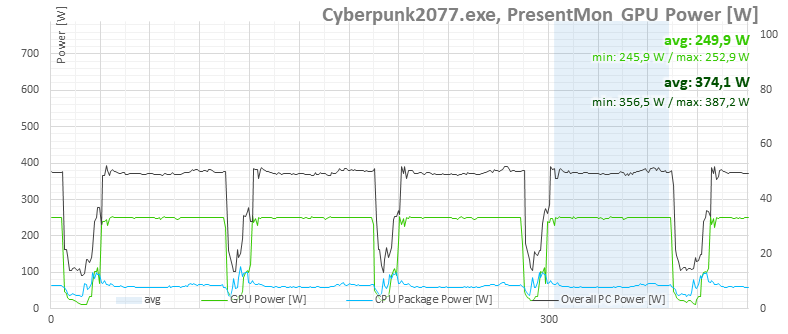
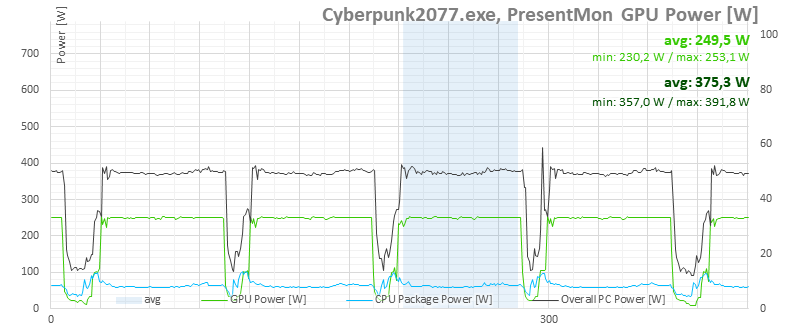
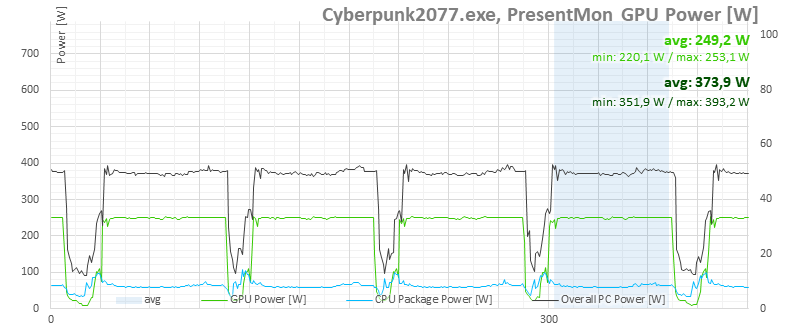
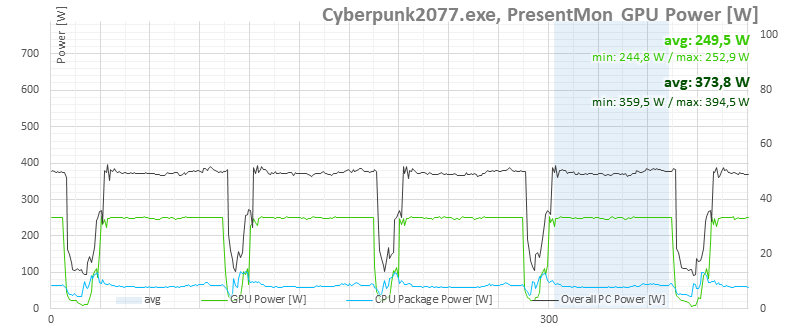
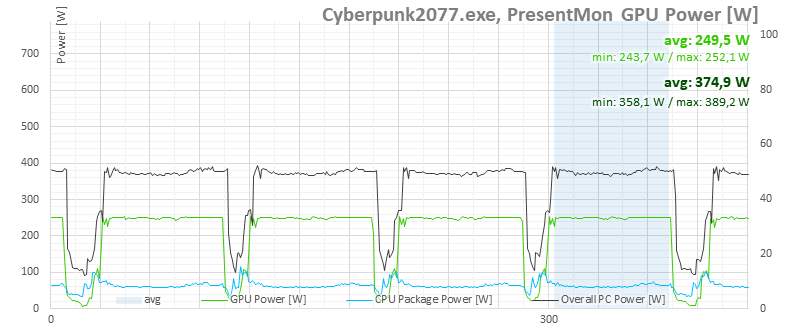
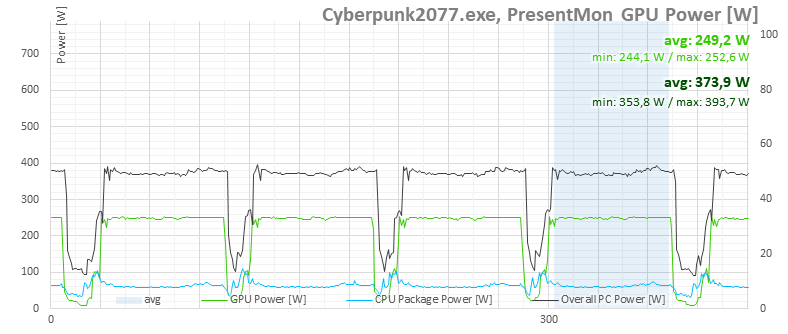
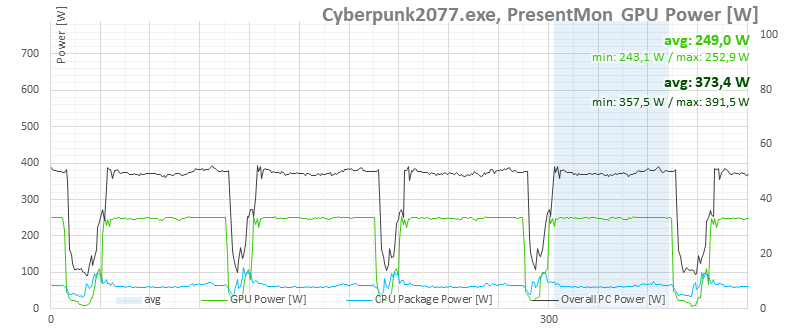
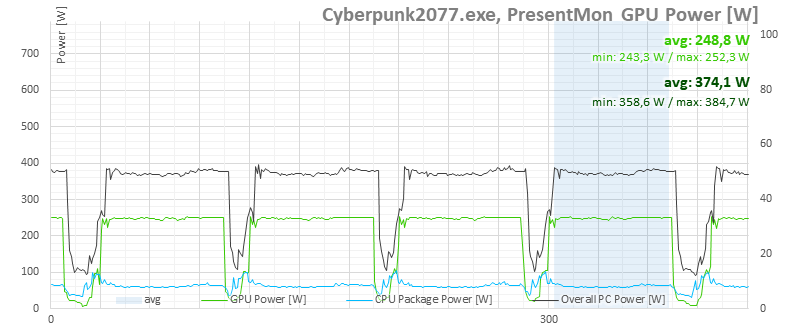
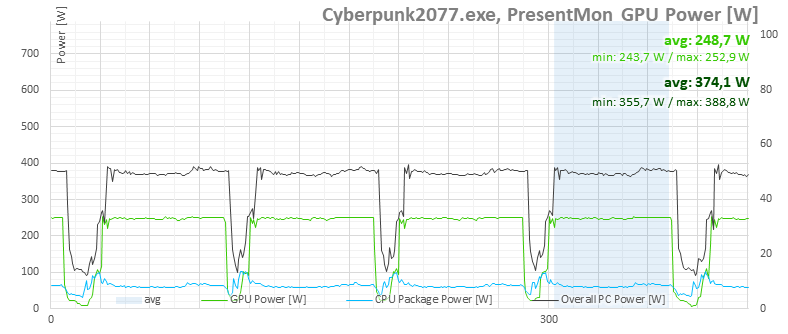
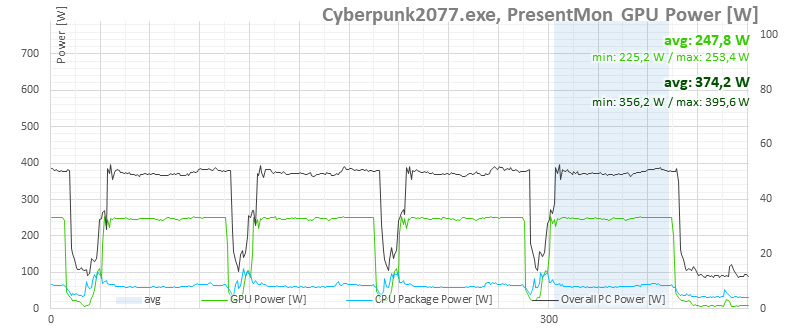
The following charts show detailed measurement runs. Each represents four loops at one setting, with average values taken from the highlighted segment. Hovering across the interactive chart from left to right should display values recorded at that fan performance level.
If the interactive charts don’t work for you, below them are also traditional expandable images for each setting. These are steps from 25 to 100 % fan performance in 5 % increments, with the set value also shown in the image title.





⠀




I’m surprised that cheap Arctic slims are better at low noise levels than the regular Noctuas. Save the money, I guess.
Wouldn’t it be better to have the fans spinning in the opposite direction to avoid turbulence?
It wouldn’t be correct to say the P12 Slim is better than Noctua’s NF-A12x15. It’s more accurate to say that at low fan speeds, the differences in noise are so small you won’t hear a difference.
Note (as I pointed out in chapter three): at minimum RPM, all the fans are so quiet that their generated noise drops below the self-noise of my Class 2 sound level meter (CEM DT-8852). These sound level meters have a lower measurement limit of 30 dBA, and the fans’ noise drops below that even at a short microphone distance. That’s why the orange noise curve is flat at approx. 29 dBA the start, even though it should, strictly speaking, keep falling with lower RPM.
https://www.hwcooling.net/wp-content/uploads/2025/09/asus-prime-rtx-5070-deshroud-dual-noctua-nf-a12x25-g1-noise.png
Additionally, sound level meters typically have about ±1 dB(A) of measurement uncertainty (this one is ±1.4 dB(A)), so differences of roughly that size shouldn’t be given much weight.
In practice, it’s the same: at 500–600 RPM, the fans aren’t audible unless you put your ear very close to them. Above 30 dBA, the differences in noise levels start to grow and at higher speeds, Noctua pulls ahead. But if you’re replacing the fans on the graphics card with 120 mm ones, it’s probably to make the card quieter—not to run them at 1,700 RPM.
Generally speaking, at low fan speeds, the real-world gains from Noctua fans are negligible.
On the topic of counter-rotating fans and turbulences: with case fans that have a high-sided frame around the fan impeller and are spaced apart, it’s much less of an issue than with typical GPU fans, which sit in shroud very close together and have only a little or no rim around the impeller.
I think the overall design matters a lot. How else can we explain that while 2x P12 Slim on Asus Prime 5070 proved to be successful, 3x P12 Slim performed worse than the stock Asus TUF 5070 Ti? Maybe it’s good to have the fans vertically oversized, or the 3x P12 Slim were too close to each other.
https://www.hwcooling.net/asus-tuf-geforce-rtx-5070-ti-a-deshroud-s-3x-arctic-p12-slim/6/
I wonder what the performance would be like with an NF -14 for more of a coverage in the finstacks
Yes, it would definitely be interesting to know what the results would look like with 140 mm Noctua fans. Unfortunately, we can’t cover all possible combinations. 🙂
Hi Adam, can you share the 3d print files? 🙂
Hi Simon,
do you need it soon, or can it wait a bit? It’s still just a prototype and needs some tweaking. I’m planning to publish a test of the Prime RTX 5070 with Arctic P12 Pro by the end of the month, so I’ll try prep the STL and include it there.
BTW, it’s designed for mounting with M2 screws into plastic — are you okay with that? (Though gluing it might work too.)
…or he can make a certain protruding shape on the leg models and then use the boolean tool in Blender on the main piece 😛