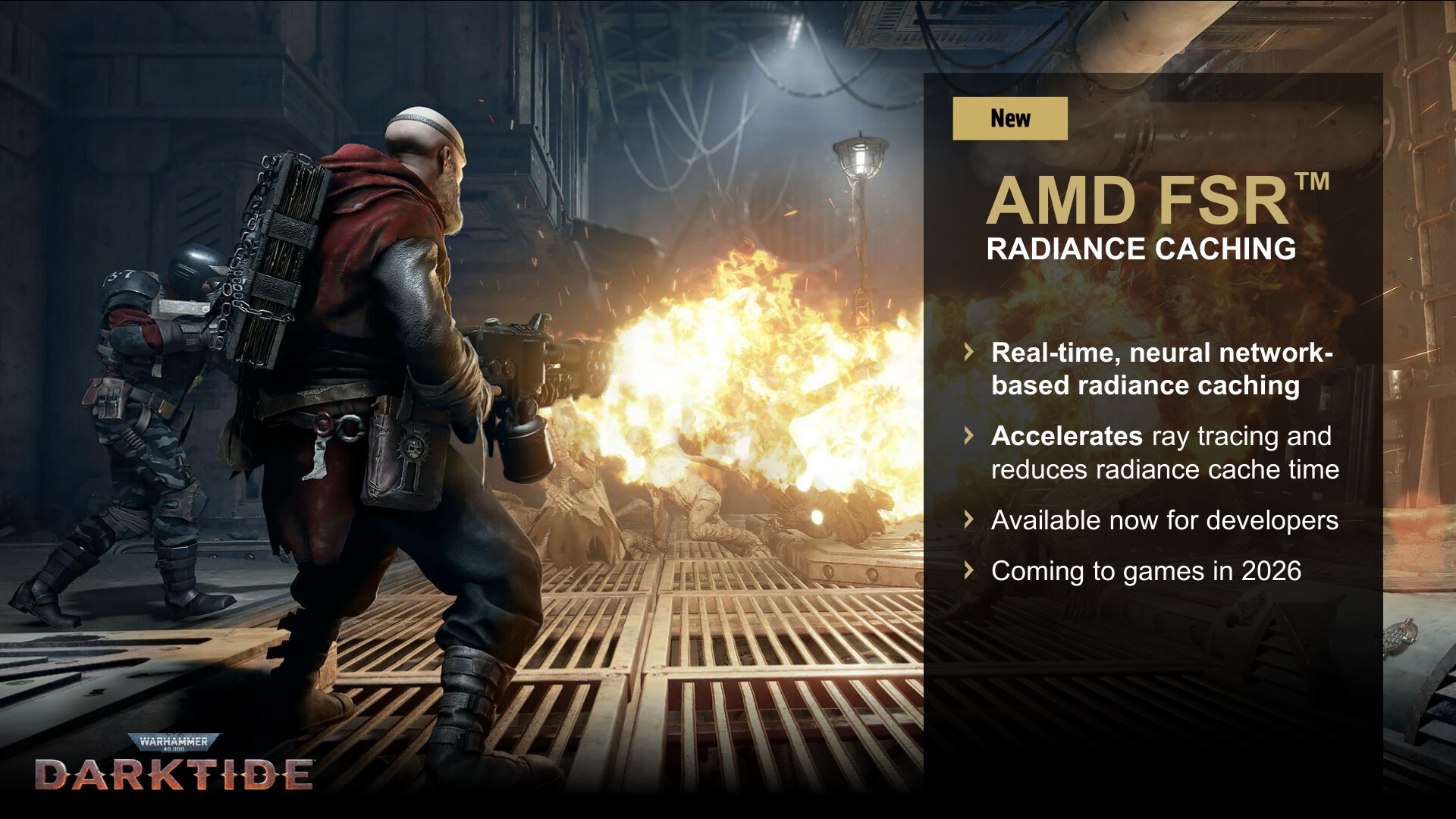
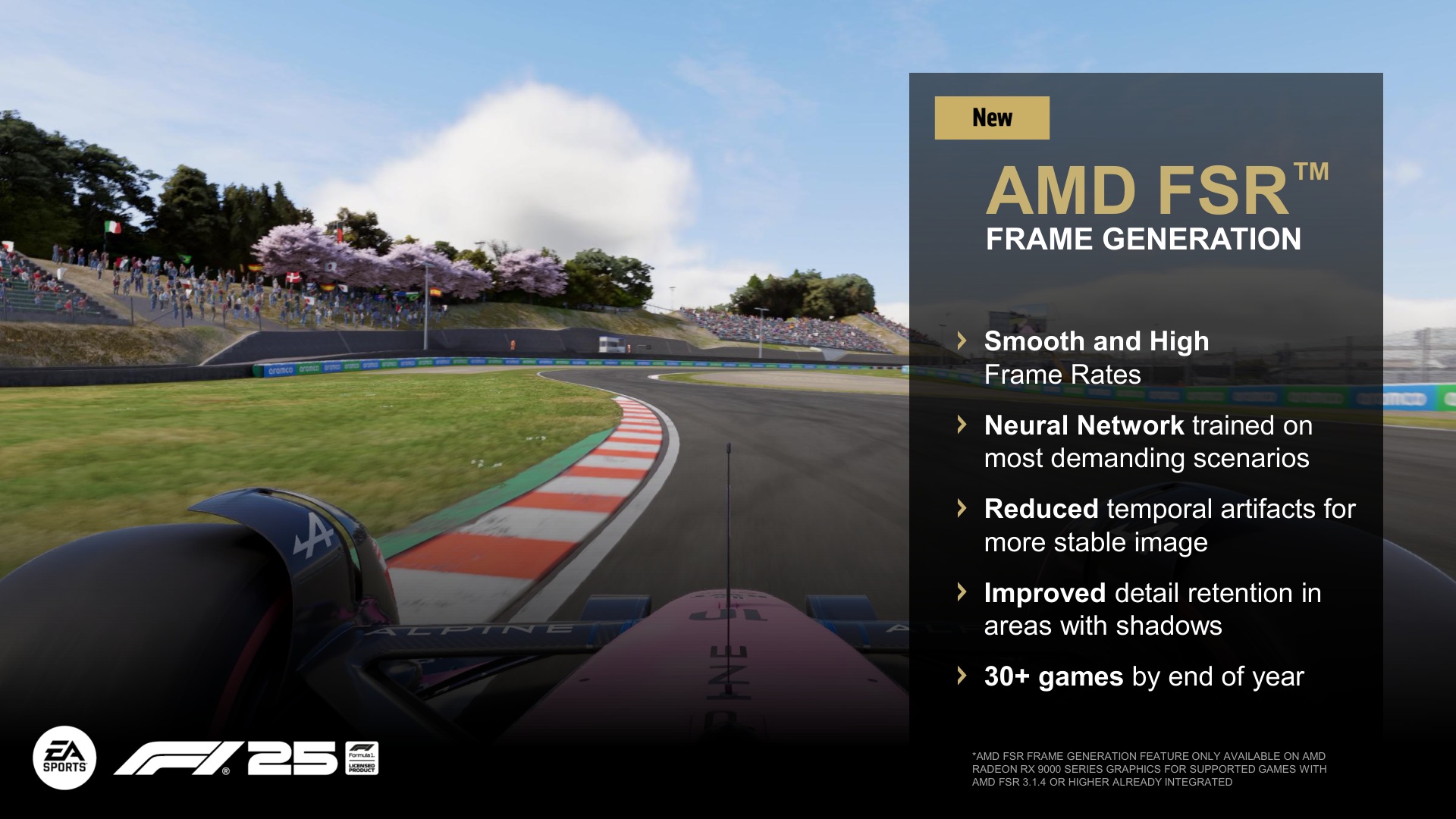
AMD FSR Redstone pushes the FidelityFX Super Resolution package for upscaling and frame generation into the machine learning era. Enhanced upscaling, frame generation, Ray Regeneration, and Radiance Caching all utilize ML on Radeon RX 9000 cards with the RDNA 4 architecture. We’ll look at what FSR Redstone adds compared to previous FSR 1–3 generations, how it works, what its limitations are, and how PC game support will shape up.
FSR Redstone adds improved upscaling, frame generation, plus Ray Regeneration for ray tracing and Radiance Caching for faster lighting. Everything is built on machine learning, but it builds on previous generations of FSR, which remain as the “analytical” foundation. It will likely be disappointing for those who were hoping for new technologies on older Radeon RX 7000 cards.
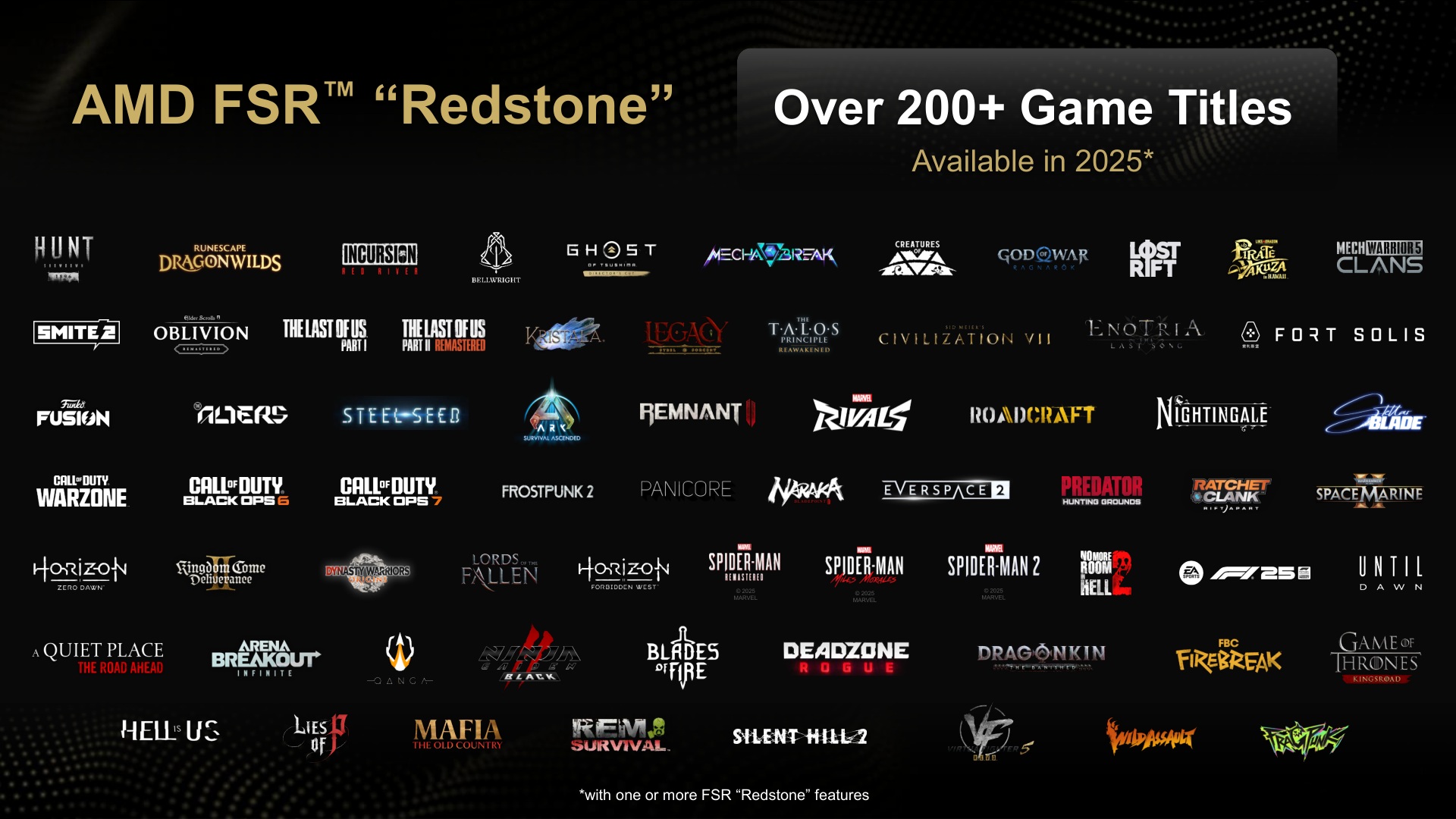
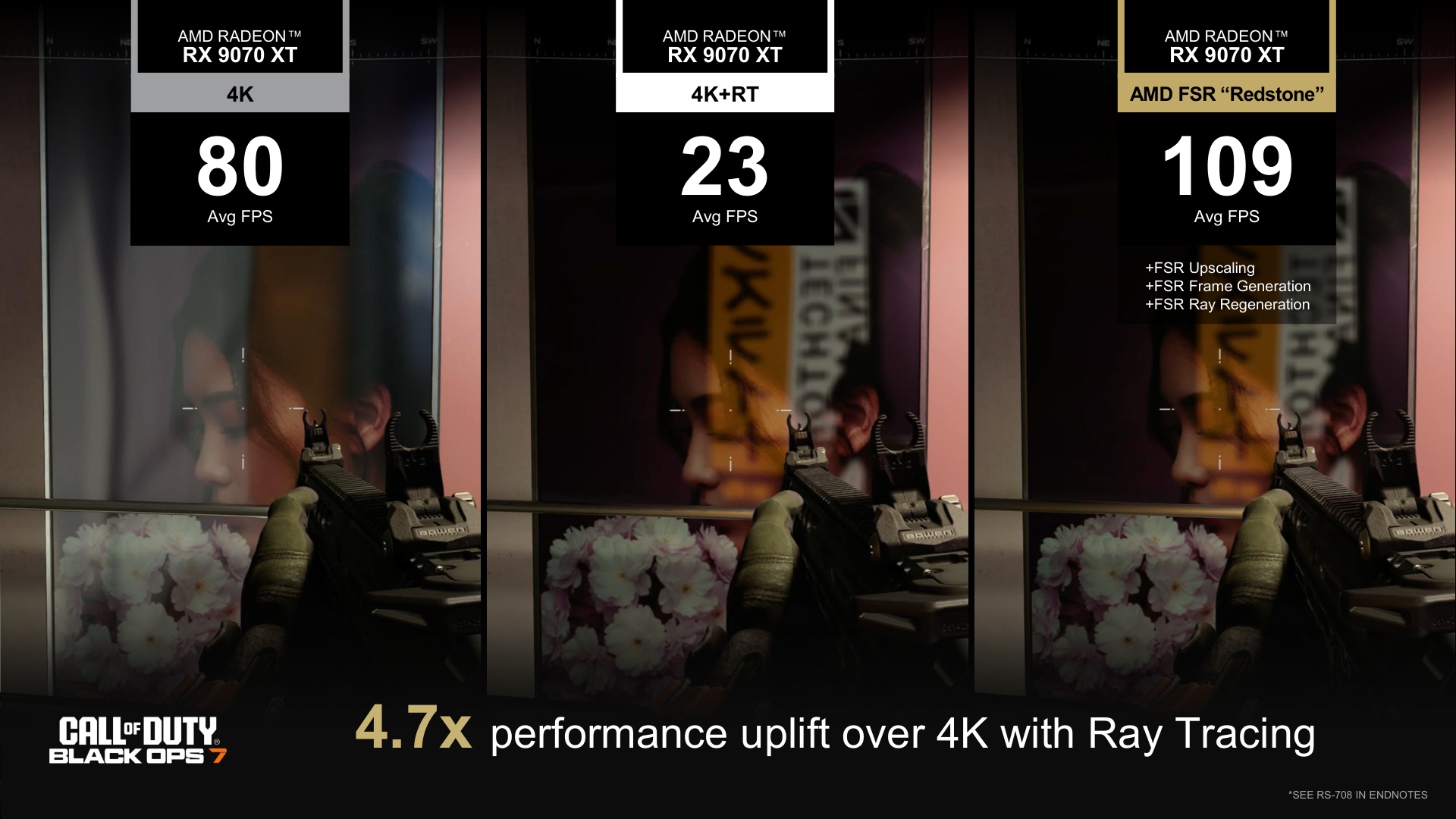
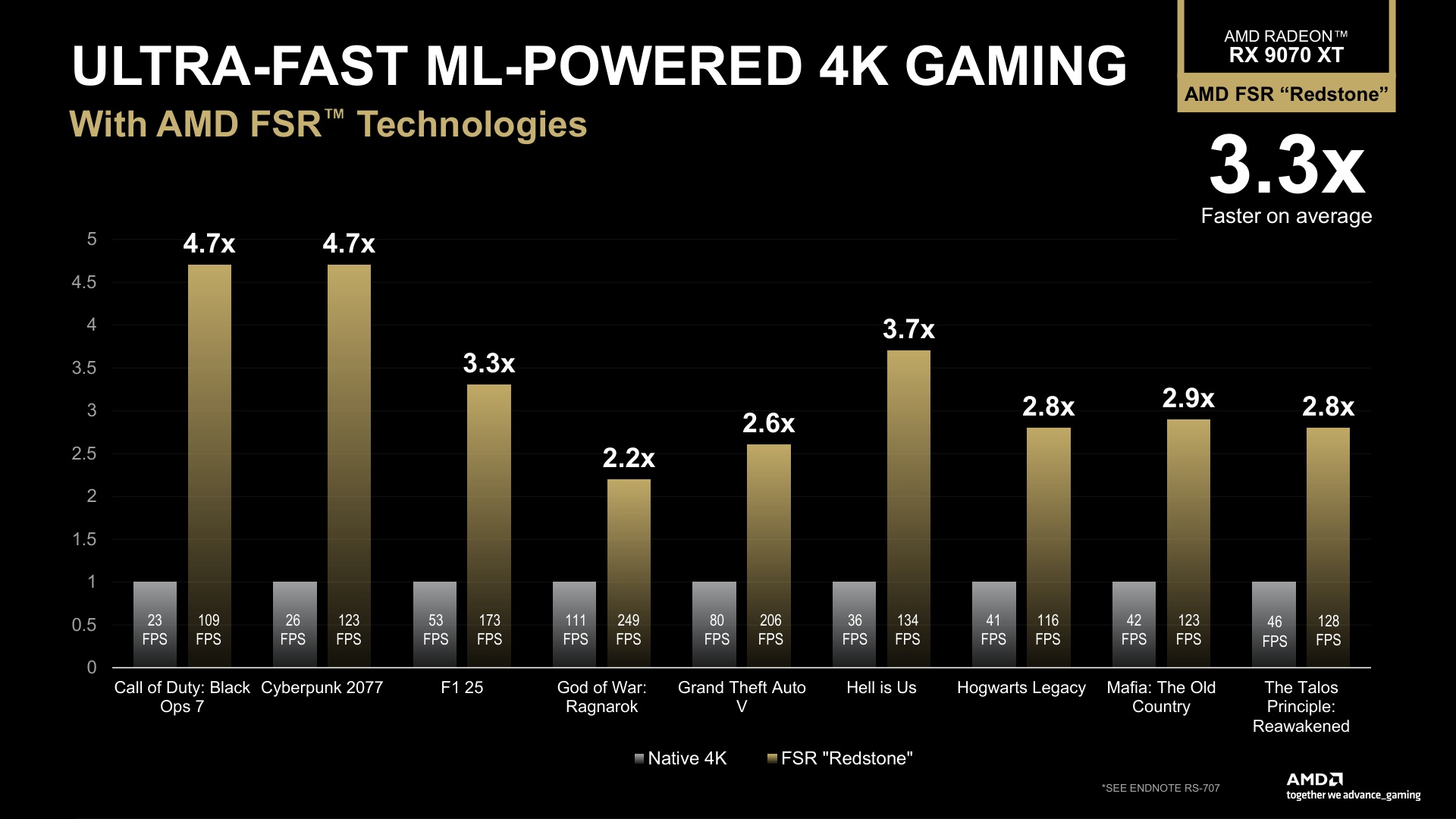
For gamers, this mainly means more ways to extract higher frame rates from a game while maintaining (or improving) image quality—provided the game supports Redstone features. In practice, everything will always depend on the specific title: how FSR is wired into the engine and which combinations of features the developers decide to use.
For developers, Redstone adds more tools for tuning performance and image quality, from classic upscaling to advanced ray tracing. Some of the new technologies work already, while for broader support of the others we’ll have to wait. How quickly and to what extent the new features spread into games will become clear in the coming months—but it’s evident that FSR is no longer just a single technology. It is gradually becoming an entire family of tools for modern rendering.







English translation and edit by Jozef Dudáš