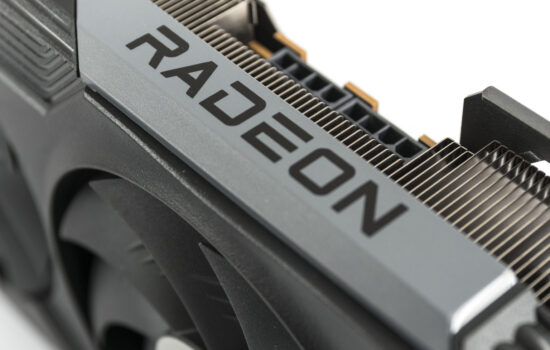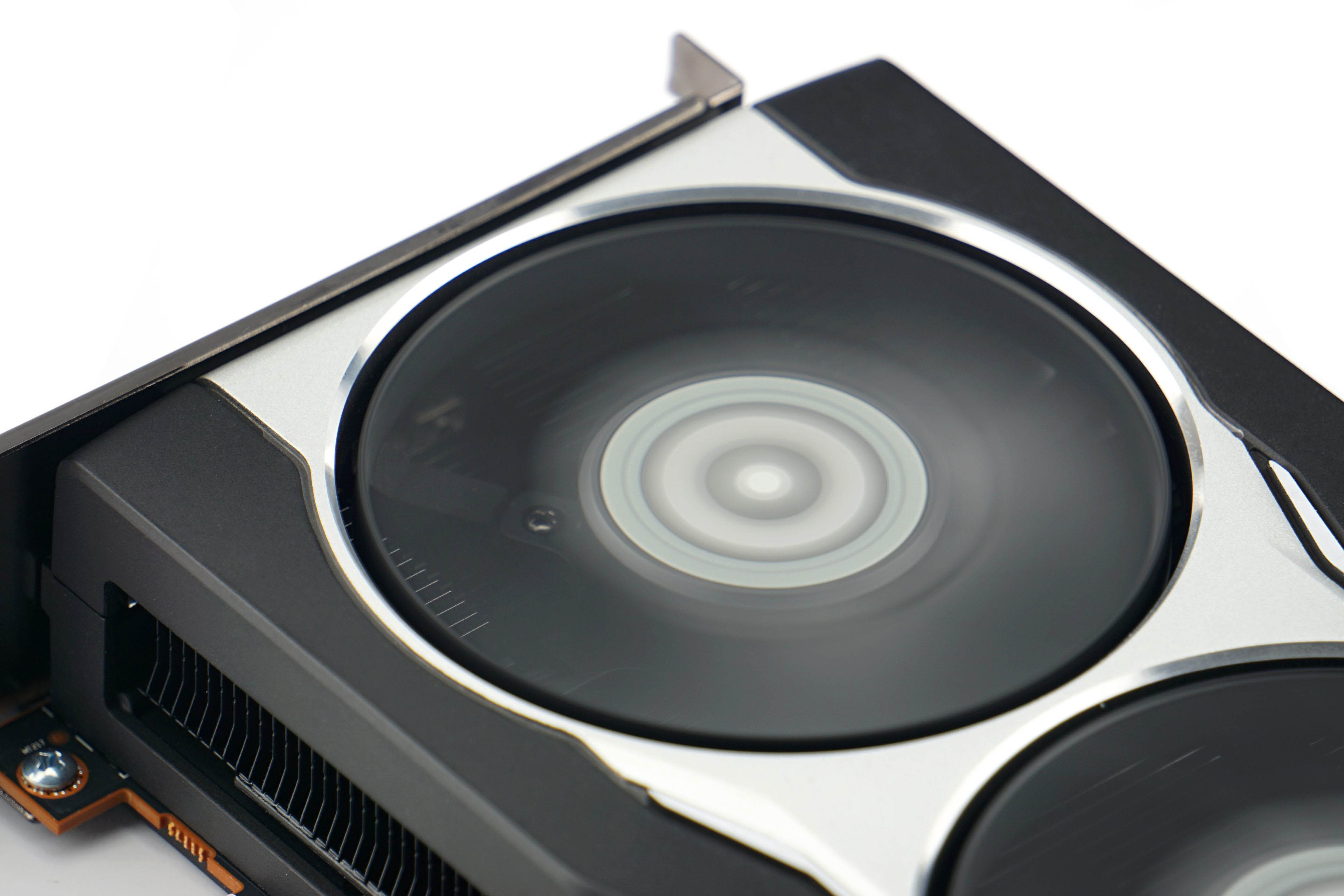
The Radeon RX 6800 is the cheapest graphics card equipped with a Navi 21 graphics chip. That is naturally slower in this card than in the RX 6800 XT and RX 6900 XT, but the RX 6800 clearly offers the most attractive price/performance ratio of the three. And the power draw is also not bad, the efficiency is remarkably very decent here, despite the large, partially deactivated core. However, some flaws can be found on the AMD reference card.
Conclusion
In gaming, the RX 6800 is slower than the RX 6800 XT by 15% on averageand RTX 3080 by18%, however, GeForce’s lead will be reduced to some extent by AMD SAM (we will definitely release tests with it later this week). In Assassin’s Creed: Valhalla, the RX 6800 beats RTX 3080 in lower FHD and QHD resolutions even without SAM (that is, regardless of the platform, including Intel processors). In UHD, the RX 6800 is already clearly losing. Not only in AC:V, but also for example in Battlefield V, where the significantly cheaper Radeon plays a balanced game with the RTX 3080 only in Full HD resolution. This is of course without ray tracing, with it the difference to the detriment of the RX 6800 is already quite significant across all resolutions.
Mostly (including Cyberpunk), the RX 6800 keeps its position, which in percentage corresponds approximately to the average performance drop (i.e. 10–17%). However, if the RX 6800 performance decrease deviates from the average somewhere, it is Counter-Strike, where it loses by 30–40% against the RX 6800 XT.Therefore, we do not recommend this card for CS:GO. However, there are also such titles for which it is definitely not worth paying extra for the more powerful XT version. The performance difference in a few percent is, for example, in MS Flight Simulátore (in high resolution, we actually measured a hair better performance on the RX 6800), which also applies to hardware-undemanding games such as FIFA 21 or Wasteland 3.
From the point of view of computational tests, the average loss of the RX 6800 to 6800 XT is 20%. However, this is not always the case, in photo editing we’re talking about a few percent. Balanced performance is also in the case of rendering in Eevee in Blender, where the RX 6800 in our charts has a paradoxically 2% lead over the RX 6800 XT. This is due to the use of newer/current drivers that have noted some adjustments in the context of Eevee. Otherwise (with the same drivers) the performance is balanced, in other words the RX 6800 is one percent slower, so one way or another it is a negligible difference and there’s no reason to further discuss it.
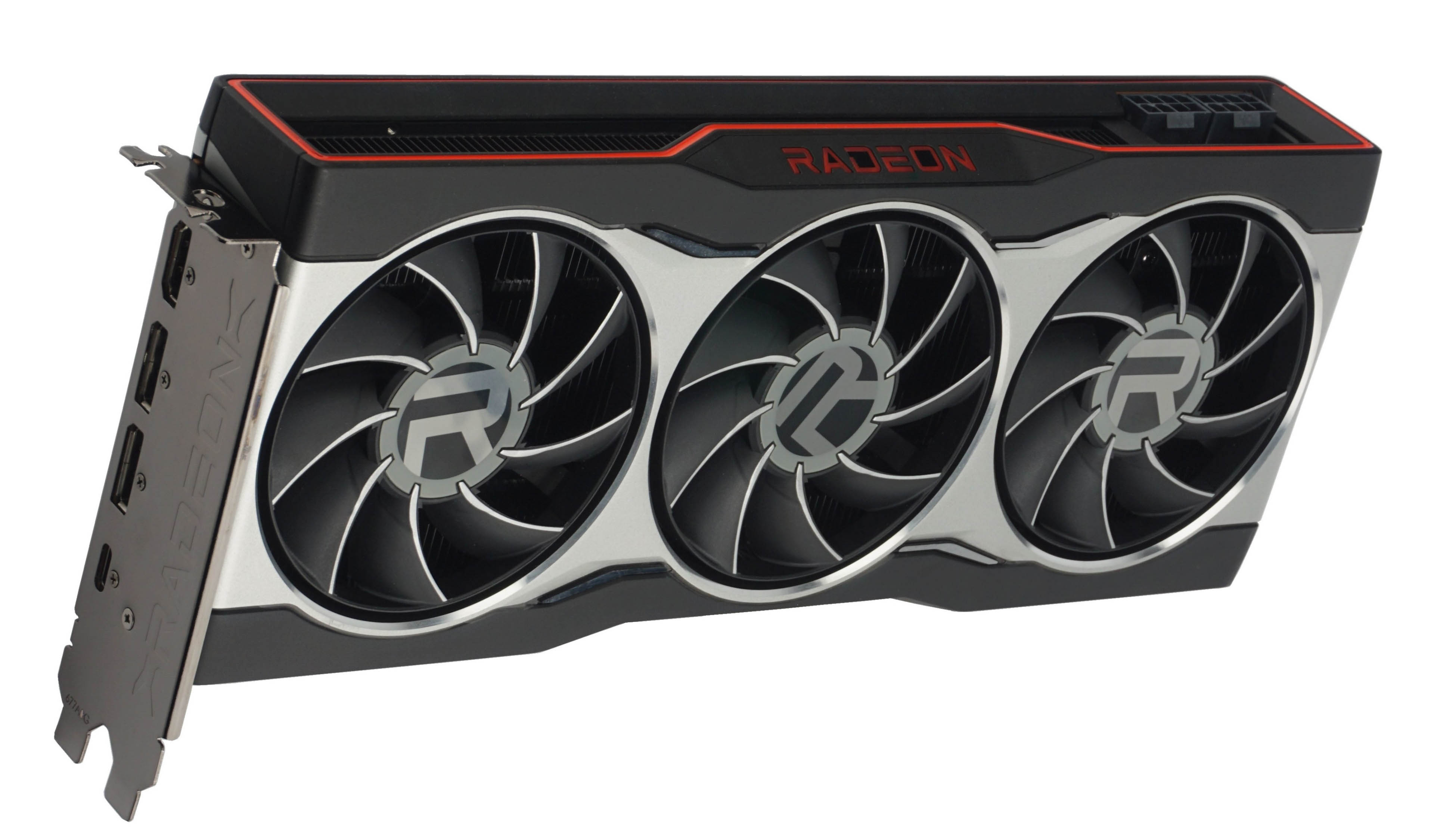
The graphics core clock speed, depending on the load, ranges from 2210 to 2276 MHz, in other words, far beyond the guaranteed boost (2105 MHz), which is commendable. The heating of the GPU in a well-cooled case will be up to 66 °C, which is up to 10 degrees Celsius less than the RX 6800 XT with a more massive heatsink. Despite the temperatures on the RX 6800 being always lower, the RX 6800 is always louder. Even in CS:GO, where it delivers significantly lower performance with significantly lower power consumption. In Shadow of the Tomb Raider, we measured an almost 4-decibel increase.
The RX 6800 is quieter (even just by a hair) only in Blender@Cycles (Classroom). It does not use so much VRAM, which clearly indicates weaker cooling of the GDDR6 memory, which is probably the reason why the fans run at higher speeds. These clearly form a sound component in the spectrum of 1045–1175 Hz, with which they will drown out even louder coils, which, like the reference RX 6800 XT, this card has as well.
In any case, apart from these imperfections like higher noise and ray-tracing graphics performance, at a price of around 700 euros, the RX 6800 has a very attractive price/performance ratio (for which this graphics card earns the editorial award Smart buy!). That is, at least for graphics cards suitable for playing at maximum visual details at higher resolutions. The RX 6800 runs the vast majority of games above 60 fps even in UHD resolution (3840 × 2160 px).

Thank you to Spacebar for providing us with games for our tests