To provide the best experiences, we and our partners use technologies like cookies to store and/or access device information. Consenting to these technologies will allow us and our partners to process personal data such as browsing behavior or unique IDs on this site and show (non-) personalized ads. Not consenting or withdrawing consent, may adversely affect certain features and functions.
Click below to consent to the above or make granular choices. Your choices will be applied to this site only. You can change your settings at any time, including withdrawing your consent, by using the toggles on the Cookie Policy, or by clicking on the manage consent button at the bottom of the screen.
Technické uloženie alebo prístup sú nevyhnutne potrebné na legitímny účel umožnenia použitia konkrétnej služby, ktorú si účastník alebo používateľ výslovne vyžiadal, alebo na jediný účel vykonania prenosu komunikácie cez elektronickú komunikačnú sieť.
Technické uloženie alebo prístup je potrebný na legitímny účel ukladania preferencií, ktoré si účastník alebo používateľ nepožaduje.
Technické úložisko alebo prístup, ktorý sa používa výlučne na štatistické účely.
Technické úložisko alebo prístup, ktorý sa používa výlučne na anonymné štatistické účely. Bez predvolania, dobrovoľného plnenia zo strany vášho poskytovateľa internetových služieb alebo dodatočných záznamov od tretej strany, informácie uložené alebo získané len na tento účel sa zvyčajne nedajú použiť na vašu identifikáciu.
Technické úložisko alebo prístup sú potrebné na vytvorenie používateľských profilov na odosielanie reklamy alebo sledovanie používateľa na webovej stránke alebo na viacerých webových stránkach na podobné marketingové účely.


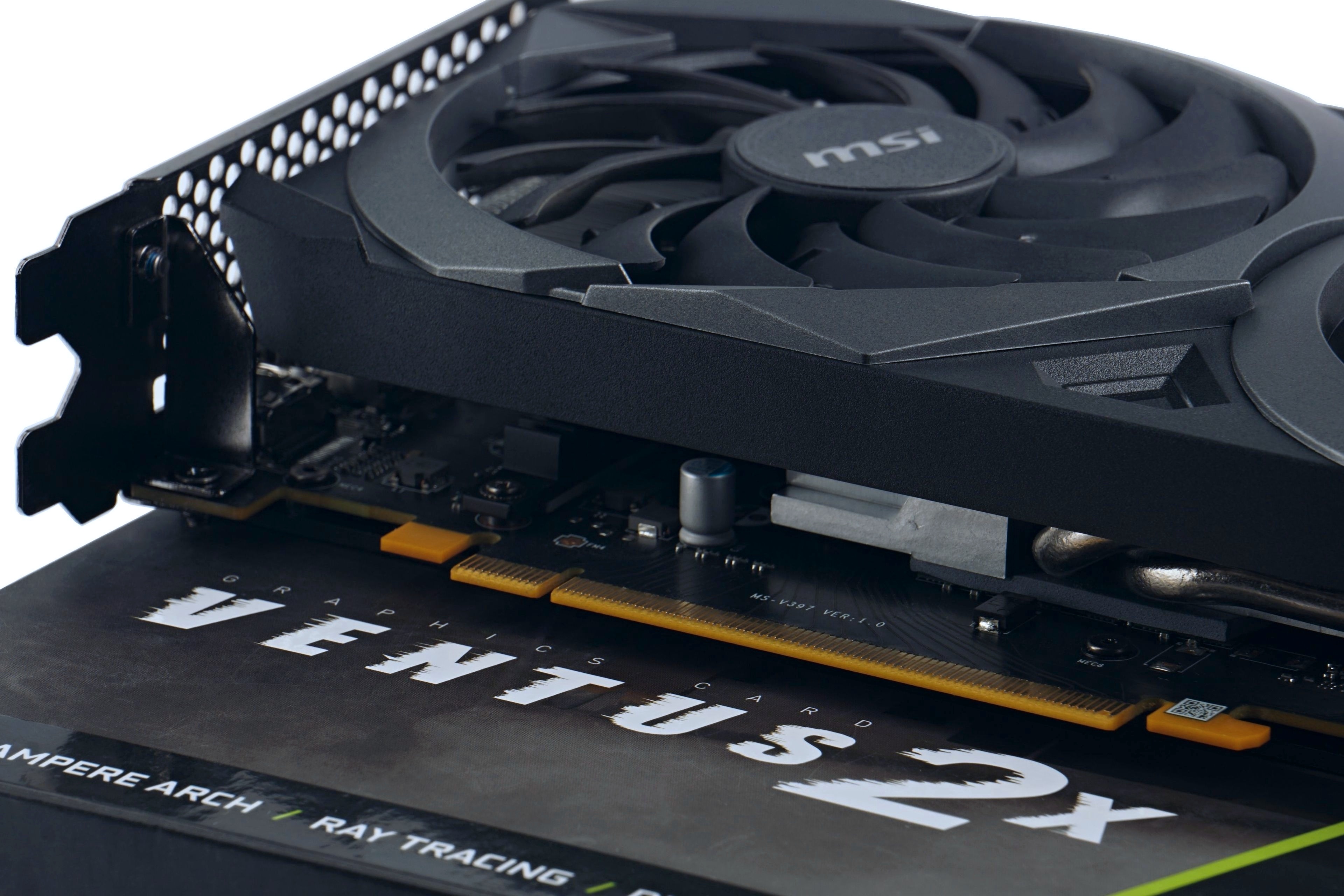







Would it be possible to perform thermal tests of the upcoming GPUs using the same noise levels – just like in CPU cooler and fan tests? With the current methodology, there is a multitude of results, but it’s often impossible to decide which result is better. Some GPUs operate at less than 60 degrees (an overkill) but to achieve it, they run twice as loud. The many game noise and thermal tests could be replaced with just coil whine tests, as it changes a lot in different environments (specific game, being in menu/playing).
The original proposal of the test methodology looked exactly as you describe (we obviously have the same taste :)), but we eventually dropped it. There were several reasons for that. But the main reason was time. If I had taken the cooler apart in such detail and tested it in several modes (instead of one) it would have been unmanageable in terms of time. It’s already too much now. With coolers and fans it’s easier, as they are not as complicated devices as graphics cards, where a lot of time is taken up by performance tests.
The time consumption of a single graphics card test in its current form, by our standards for accuracy, is approaching 300 hours of net time. With a more detailed analysis of the cooler, it would be quite a bit more, and in addition to the modes normalized by the various noise levels, we would still need the default one for evaluation in the end, which is based on the video card’s BIOS settings and is key for the vast majority of users.
And then there’s one more thing that causes some risk when testing at fixed noise levels. The GPU temperature is usually significantly lower than the VRAM and memory temperatures, which are quite difficult to keep track of. Sure, hardware monitoring and, in case of critical values, stop the test (typically at low speed) and evaluate it as a failure, but… capacity-wise, we unfortunately can’t afford this marginal type of tests, which have only a very small audience, in the interest of self-preservation. Although personally, I’d love to pursue it. So perhaps sometime in the future when we can afford to split the work between more people.