


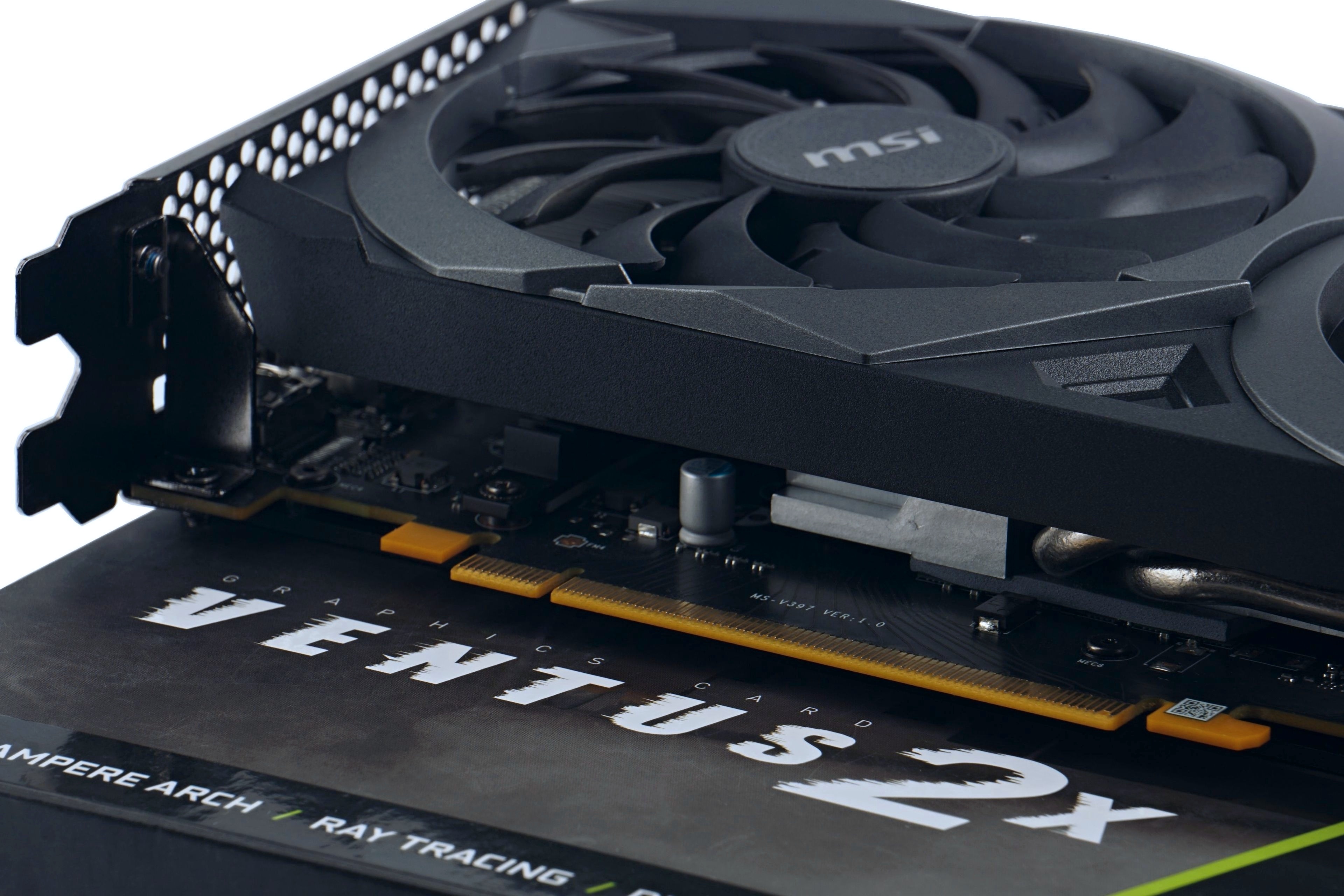
In addition to the global price drop on all graphics cards, MSI is now also reducing the MSRP of the RTX 3050 Ventus 2X (OC) from its lowest range. The phrase “affordable graphics card” thus takes on a new spin, and if you’ve read somewhere that the performance characteristics of Ventus graphics cards aren’t worth much, forget it. We certainly don’t see it that way, and few RTX 3050s for this money can boast a more functionally attractive design.
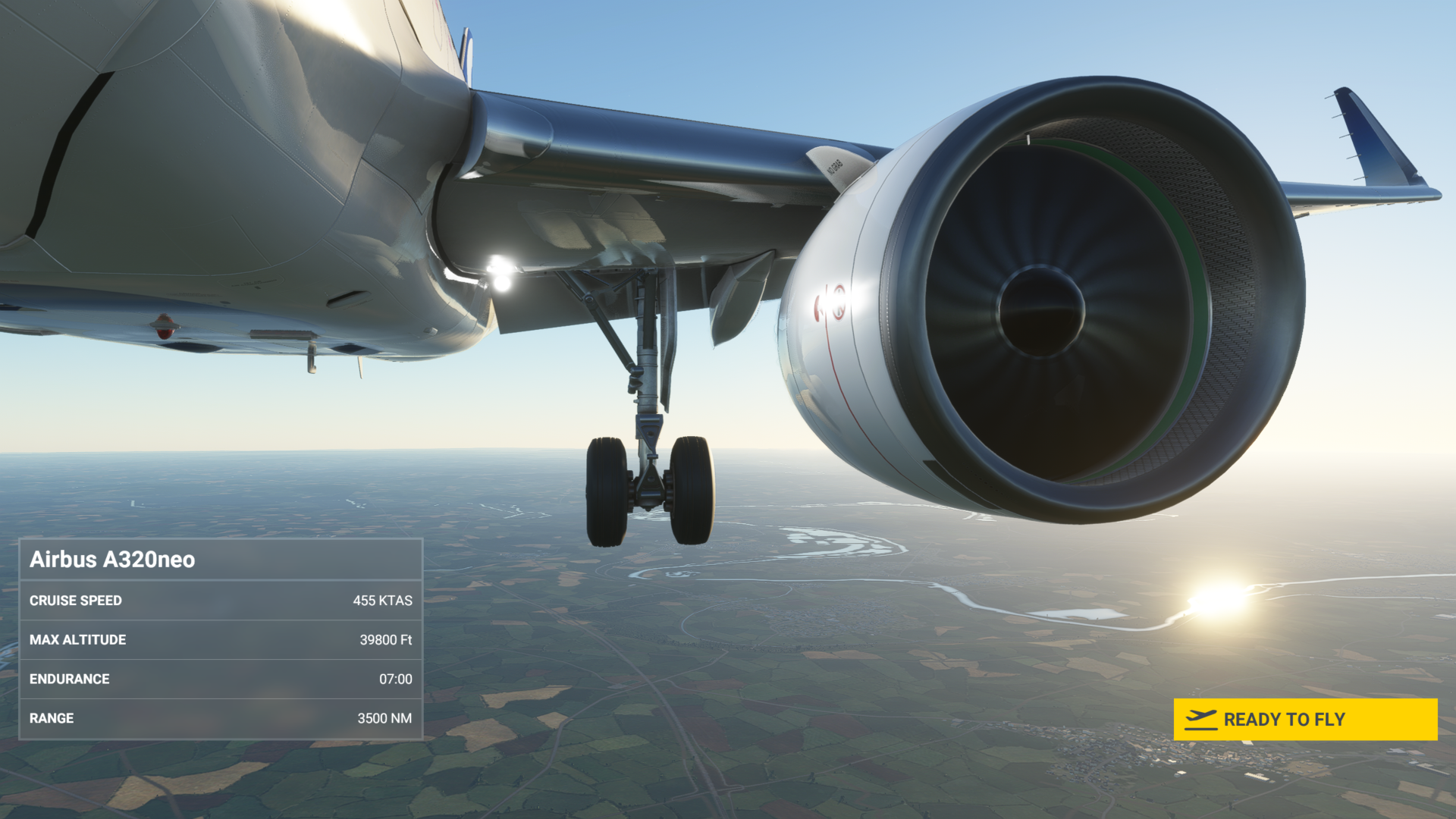
Microsoft Flight Simulator
Disclaimer: We do not use the results from this game to calculate the average gaming performance. This is because the performance of the game often changes due to updates, and when this happens, we start building the results database from scratch. To check the consistency of the MFS results, we run a test scene with the MSI RTX 3080 Gaming X Trio before testing each new graphics card.
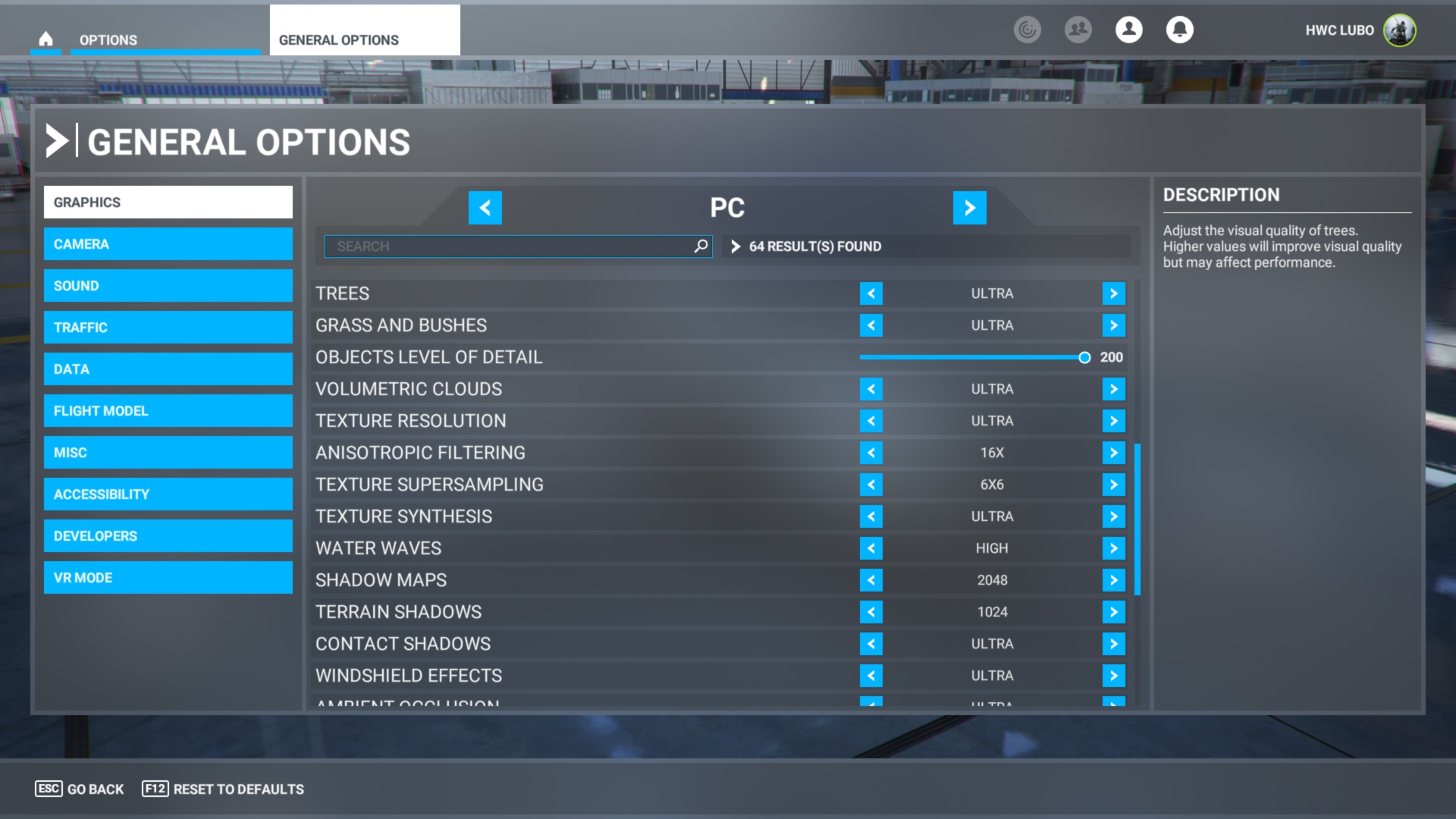
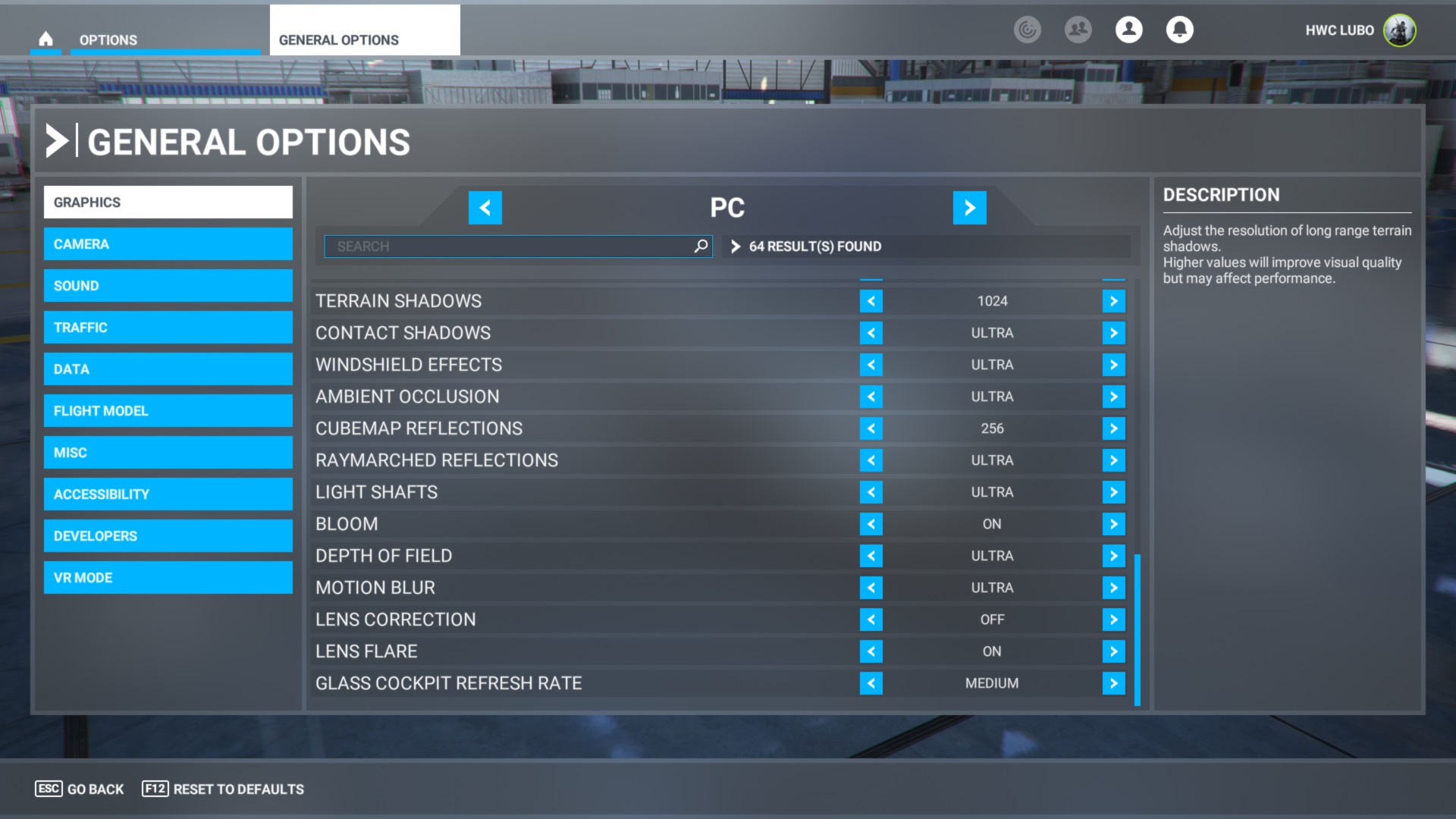
Test platform custom scene (Paris-Charles de Gaulle, Air Traffic: AI, February 14, 9:00 am) autopilot: from 1000 until hitting the terrain; API DirectX 11, graphics settings preset Ultra; TAA; no extra settings.







Would it be possible to perform thermal tests of the upcoming GPUs using the same noise levels – just like in CPU cooler and fan tests? With the current methodology, there is a multitude of results, but it’s often impossible to decide which result is better. Some GPUs operate at less than 60 degrees (an overkill) but to achieve it, they run twice as loud. The many game noise and thermal tests could be replaced with just coil whine tests, as it changes a lot in different environments (specific game, being in menu/playing).
The original proposal of the test methodology looked exactly as you describe (we obviously have the same taste :)), but we eventually dropped it. There were several reasons for that. But the main reason was time. If I had taken the cooler apart in such detail and tested it in several modes (instead of one) it would have been unmanageable in terms of time. It’s already too much now. With coolers and fans it’s easier, as they are not as complicated devices as graphics cards, where a lot of time is taken up by performance tests.
The time consumption of a single graphics card test in its current form, by our standards for accuracy, is approaching 300 hours of net time. With a more detailed analysis of the cooler, it would be quite a bit more, and in addition to the modes normalized by the various noise levels, we would still need the default one for evaluation in the end, which is based on the video card’s BIOS settings and is key for the vast majority of users.
And then there’s one more thing that causes some risk when testing at fixed noise levels. The GPU temperature is usually significantly lower than the VRAM and memory temperatures, which are quite difficult to keep track of. Sure, hardware monitoring and, in case of critical values, stop the test (typically at low speed) and evaluate it as a failure, but… capacity-wise, we unfortunately can’t afford this marginal type of tests, which have only a very small audience, in the interest of self-preservation. Although personally, I’d love to pursue it. So perhaps sometime in the future when we can afford to split the work between more people.