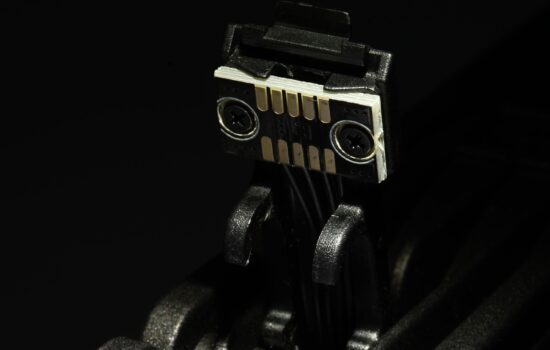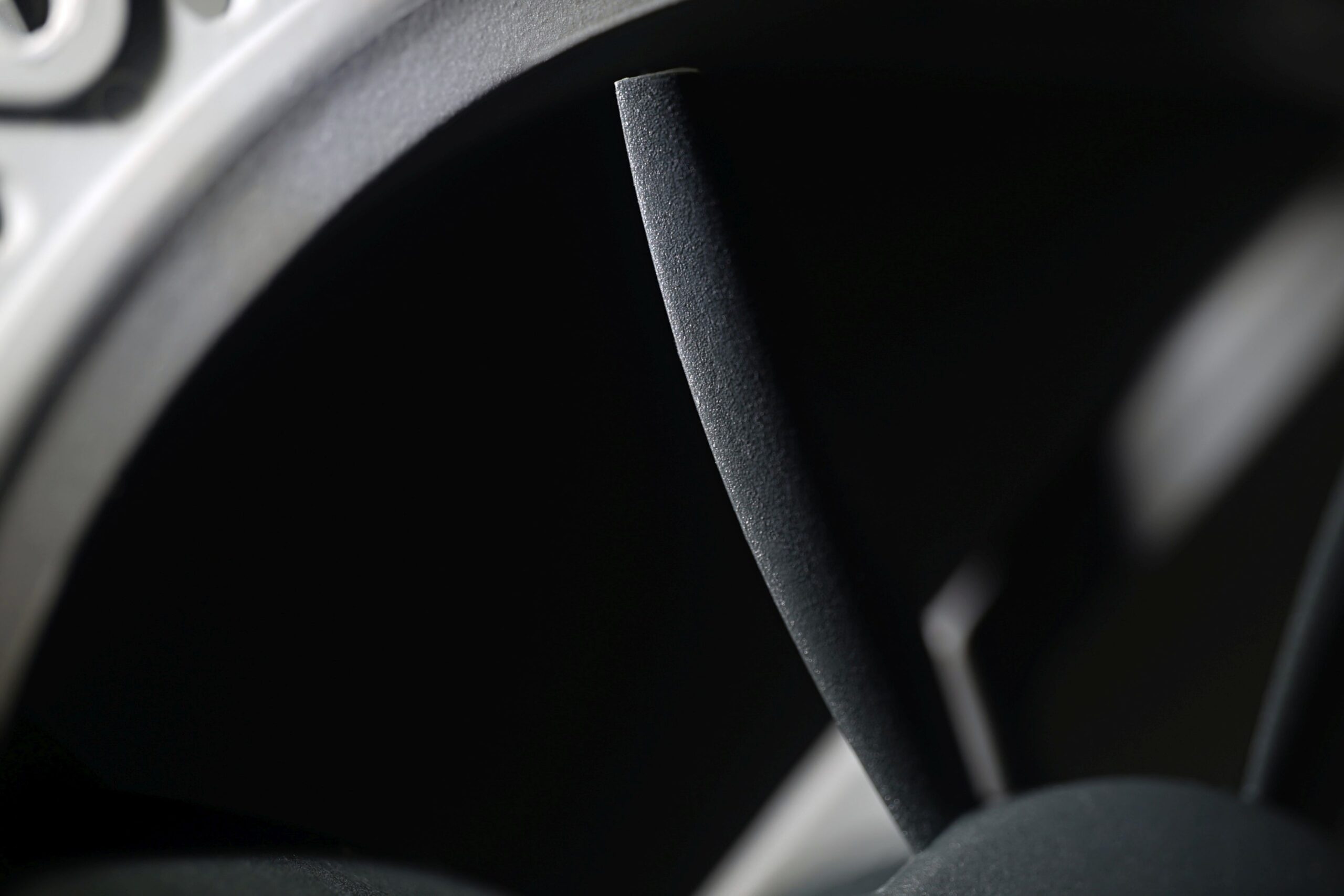
An old, yet still-selling aerodynamic design. Despite being attributed with excellent properties, we dare to disagree. It’s not quite the ideal system cooling fan that the NF-S12B-redux impellers were historically famed for either. Yes, it is quiet—but without the “airflow”. By that logic—where low noise carries exceptionally high weight—one could quickly conclude that the best fan is no fan at all. “Zero” noise, but substantial airflow isn’t happening here either.
Evaluation
All that glitters is not gold. Noctua makes excellent fans, but the NF-S12B redux-700 model is not among them. Specifically, the aerodynamic design of this fan is genuinely subpar by current standards, and based on our tests, we cannot find a scenario where it makes sense. It even had impeller interference—rubbing against the mesh—with our test nylon dust filter, so regardless of airflow results, it doesn’t score in this area either. With a plastic filter, the Noctua NF-S12B redux-700 ranks among the fans with the weakest airflow-to-noise ratio. A grille (in front of the fan) also significantly amplifies the sound frequency around 380 Hz, and the operation is characterized by a more “droning” sound profile.
Sure, it is the quietest fan we have ever tested. But if we were to stick solely to that parameter, then the best fan would be one that makes no sound at all, which would probably end up being an empty frame without an impeller (and motor). In that case, however, there would be zero airflow.
On one hand, yes, it is a truly quiet fan, but on the other hand, it doesn’t deliver airflow that could be described as exceptional. Not even in an unobstructed situation, where the fan faces no resistance to overcome. Besides this being a synthetic scenario, system fans—i.e., the environment where the NF-S12B is supposed to excel—typically face dust filters or grilles. These obstacles completely kill the properties of this Noctua fan. This is mainly due to the very low static pressure, a result of the large gaps between blades, their angle, density, and essentially the overall aerodynamic shape. Despite our respect for what Noctua does in the fan segment, we recommend avoiding the NF-S12B redux-700 model.
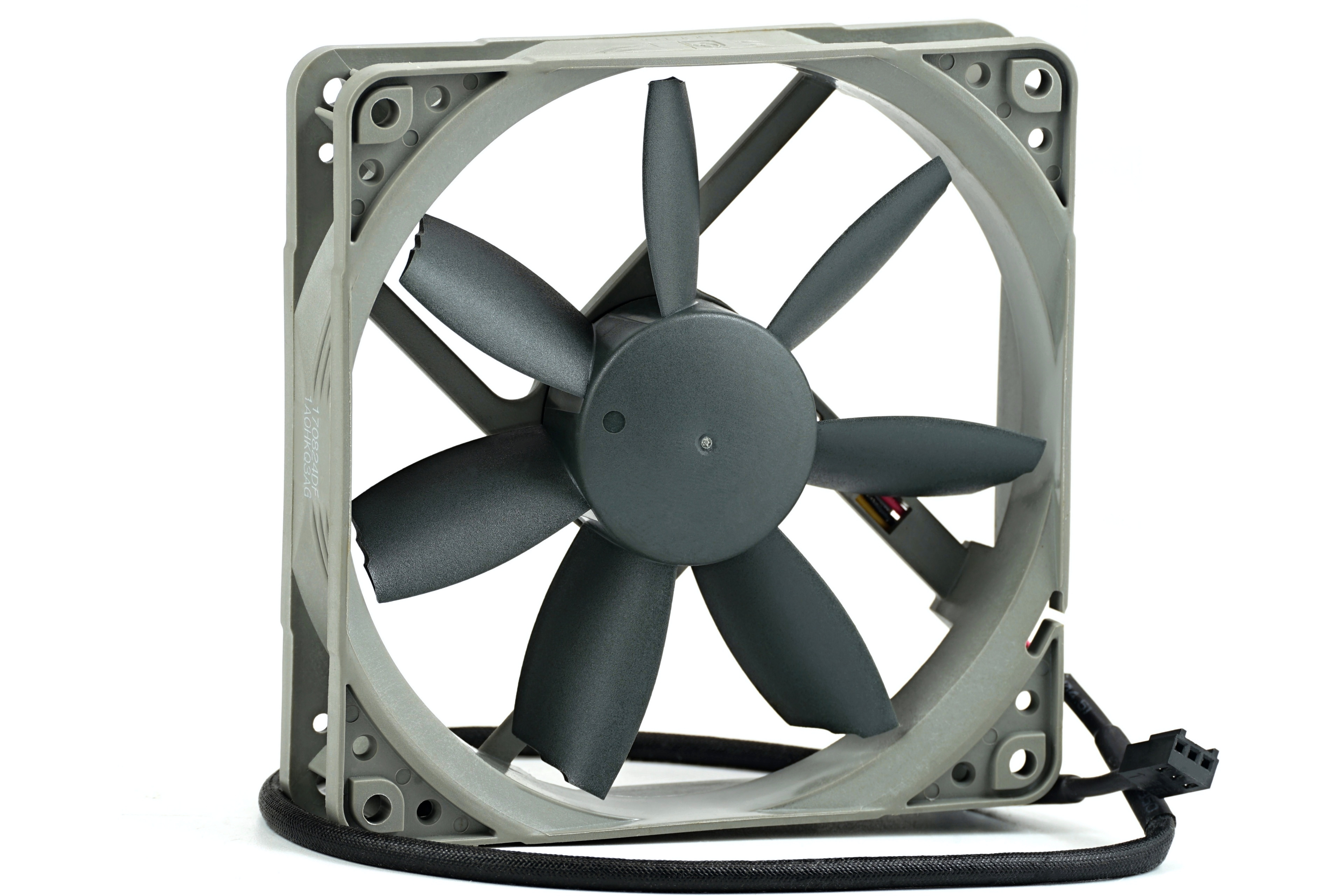
The fan doesn’t excel in any “performance” aspect except for having very low maximum speeds, which consequently means this fan is always quiet. But any fan with a wide speed range can be that. However, if you don’t want to deal with speed control and don’t care about the highest possible cooling efficiency within the category, then even the NF-S12B redux-700 could be an option—that’s up to you. When we write about cooling efficiency, we also have results in a natural environment, which also show that in system fan positions, these models rank rather low. This (natural environment) is a good “reality check” because for some end users, it’s still more understandable to judge based on temperature differences than on airflow values that shape cooling performance.
On the positive side, as with all Noctua fans, is the build quality with SSO2 bearings. These promise both long lifespan—which they likely deliver (if any of you are still using older Noctua fans, let us know in the comments below)—and truly “silent” operation at low speeds, free from any disruptive noises. For this, Noctua fans also owe thanks to the quality of the motor and its switching technology.
Then there’s the above-average service that Noctua provides, and we could certainly find more positives. But even so, we must warn you against the NF-S12B redux-700 fans. Their aerodynamic design was surpassed long ago and was never really that “great”… purchasing behavior, however, always stems from user experience and how a particular fan is perceived. We arrive at this conclusion and, with a clear conscience, cannot recommend this fan for any situation. Extremely quiet operation? Look at fans that can be slowed down to modes where the NF-S12B redux-700 operates as well.
English translation and edit by Jozef Dudáš
| Noctua NF-S12B redux-700 |
| + Exceptionally quiet even at maximum speed |
| + Virtually silent bearing and motor operation (no non-aerodynamic noises) |
| + Low power consumption, under 624 mW |
| + "Zero" vibration |
| + Capable of very low speeds (stable from approx. 163 RPM)... |
| - ... but only DC regulation |
| - Relatively lower aerodynamic/cooling efficiency by current standards under all circumstances... |
| - ... static pressure is too low even for system positions |
| - Poor compatibility with our hexagonal grille, which significantly amplifies sound frequencies around 380 Hz |
| - Potential collision with nylon dust filters |
| Approximate retail price: 14 EUR |