




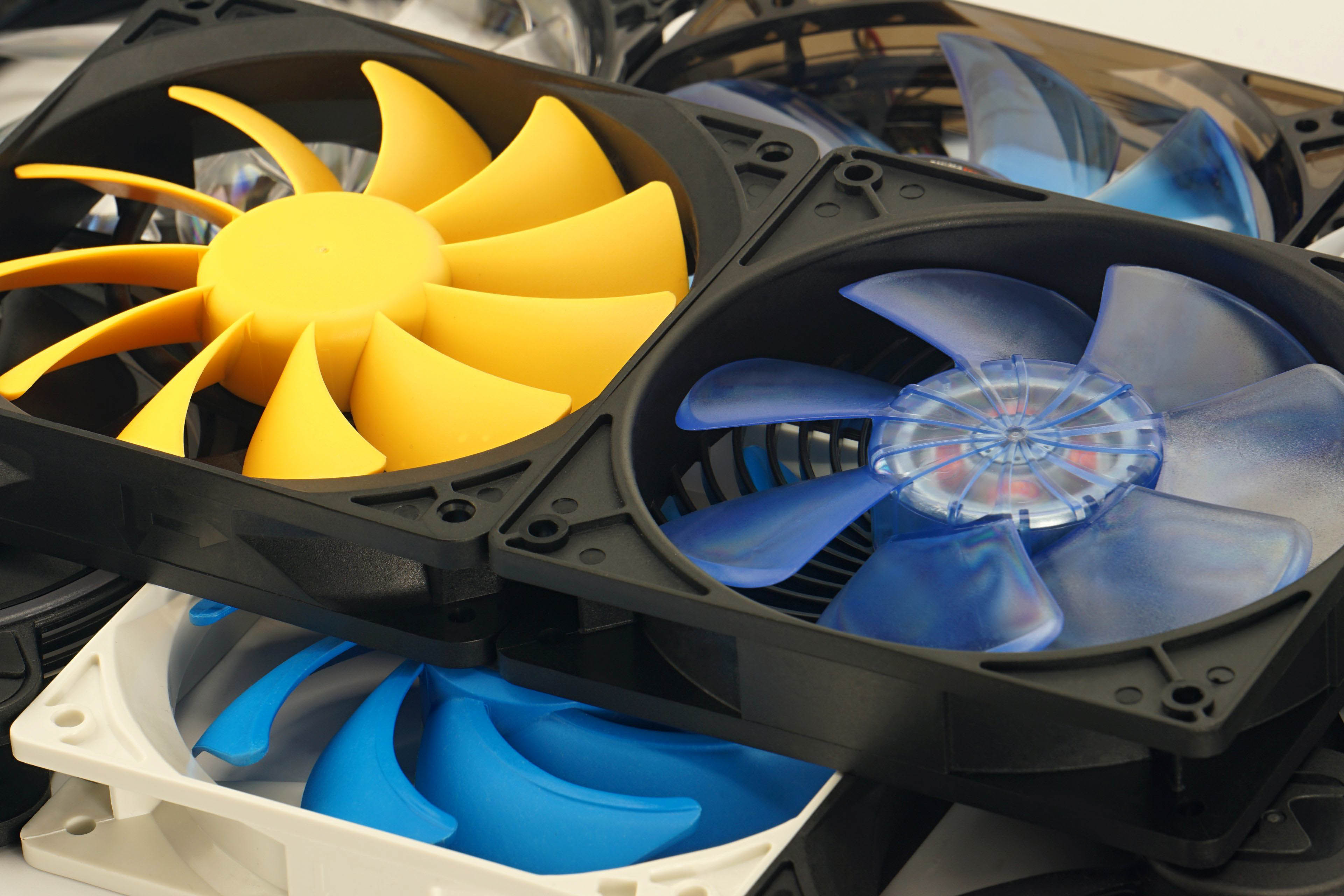
Our database now includes one hundred fans—75 in the 120 mm format and 25 models with a physical size of 140 mm. In this article, we have compiled all data into unified charts. What was once separated for clarity is now brought together again, and the commentary will also include a… look ahead regarding fan testing. But we can already reveal that there is still a lot more to come.
It has been some time since we began testing fans. Since the end of 2021 up to today, we have managed to thoroughly analyze a considerable number of computer fans. It can be stated that, based on the data we have gathered, it is now possible to reliably estimate the efficiency of aerodynamic impeller designs used by individual fans.

To make everything clear, ongoing testing is, of course, essential and will continue. Next, we will take a closer look at DeepCool FD12 V2 fans, followed likely by the Phanteks T30-140, and we already have unreleased fans from ID-Cooling in the test lab. We also have Endorfy Stratus 120/140 White. There is quite a lot lined up, and samples of Asus Proart PF120 fans are expected to arrive soon. We have also been promised some unreleased fans from Fractal Design, and there are numerous backlog items, for example from Corsair.
Long-term plans also include testing certain fans that are no longer sold but represent design elements that can help explain various phenomena. For example, why EK-Meltemi ER120 fans, despite their above-standard thickness for the 120 mm format, never really gained traction.

In the following chapters of this article, you will find, among other things, performance charts for all fans (120 and 140 mm) that we have been able to measure as of the publication date of this summary. These are truly extensive charts—there are quite a lot of fans—and although we do not know what the future holds, we definitely plan to continue expanding this database and deepening the knowledge we have built over the years.




Thank you for all the hard work in reviewing and compiling this information!
If it’s not too much effort, would it be possible to maintain a page like this going forward with each new reviewed fan added on? It’ll make a convenient location to be able to reference back to (a one-stop-shop if you would).
Thank you for the comment! 🙂
What exactly do you mean by keeping it the same as in this article?
We separated the 140 mm fans from the 120 mm ones to prevent the charts from becoming too long. Even as they are now—especially in the 120 mm category, where we have more models—the graphs already take up quite a lot of vertical pixels. If combined, navigating them would be rather inconvenient, even on high-resolution monitors
Great job, guys.
Thank you! 🙂