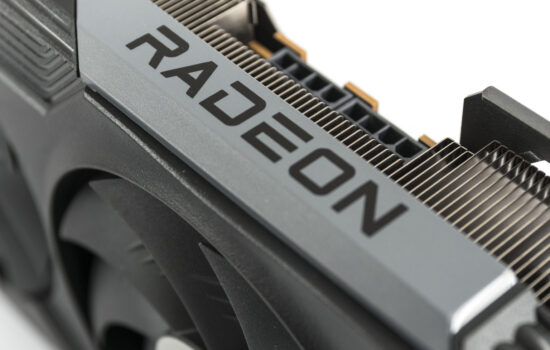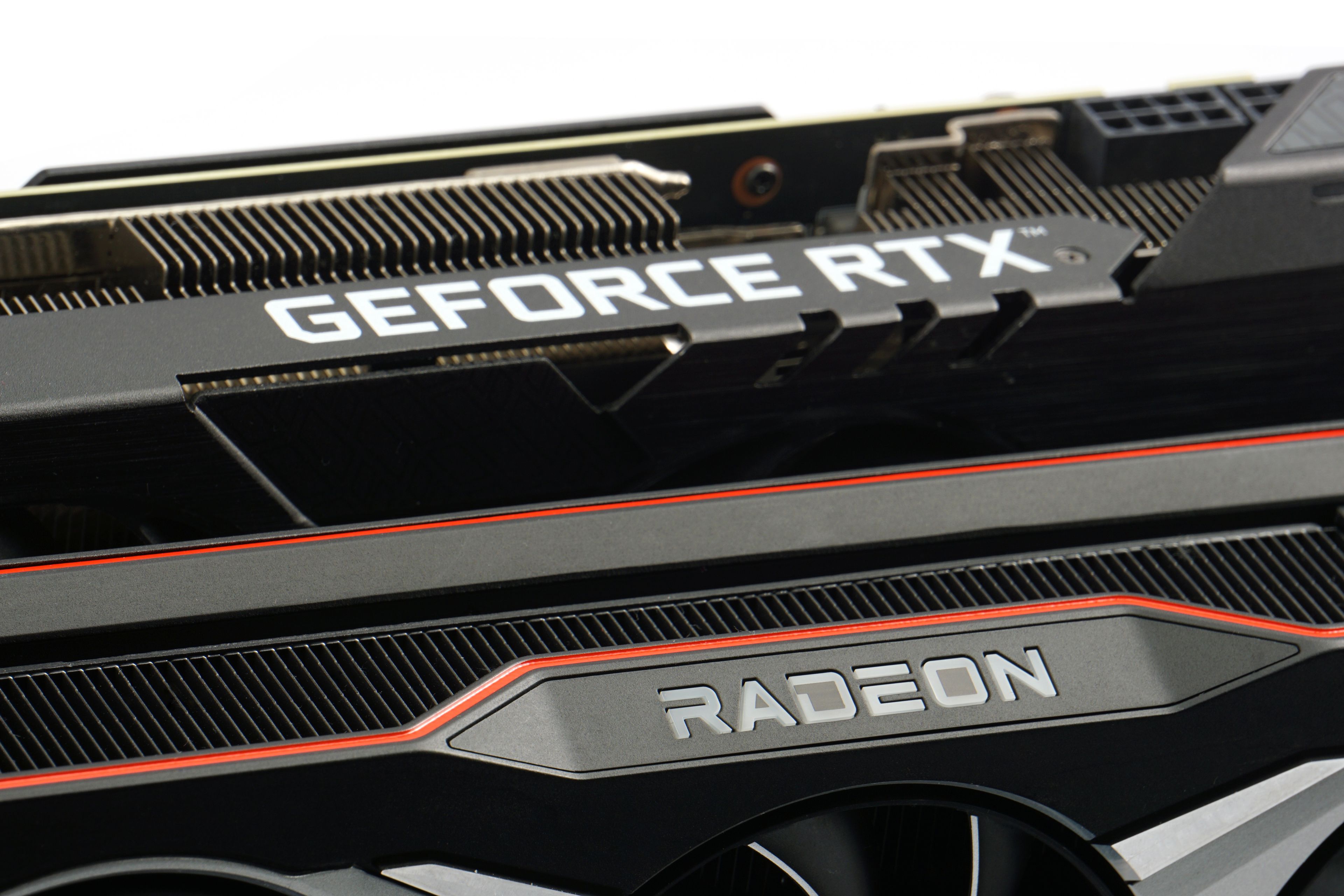
Eighteen selection games in various resolutions and settings, performance tests in computing applications, detailed analysis of power draw and generated sound, in which we go up to the level of frequency responses. This captures the new robust methodology for graphics card testing. And right at the beginning, popular high-end models from both camps are going to undergo the tests.
Conclusion
The performance difference between the cards is minimal. Across resolutions, it ranges from 3–4% to the detriment of the RX 6800 XT. However, it should be noted that it achieves such results with AMD SAM turned off. You will soon find out where the performance will advance with the activation of Smart Access Memory during the extension tests.
The RX 6800 XT is a 5–15% more efficient card in terms of vector graphics, depending on the resolution. Its power draw is 14–21% lower and on Radeon’s side, under certain circumstances (without DXR), the price-performance ratio, too. If, of course, you are calculating with recommended prices or with the fact that the RTX 3080 is at least a hundred euros more expensive. But even this extra money is not just thrown out the window. Ray-tracing graphics is much faster on GeForce and especially in say Cyberpunk 2077 it is still exclusive. Not to mention CUDA and Optix support. But that’s for another article with outrage on a topic like OpenCL in AMD is “useless”…
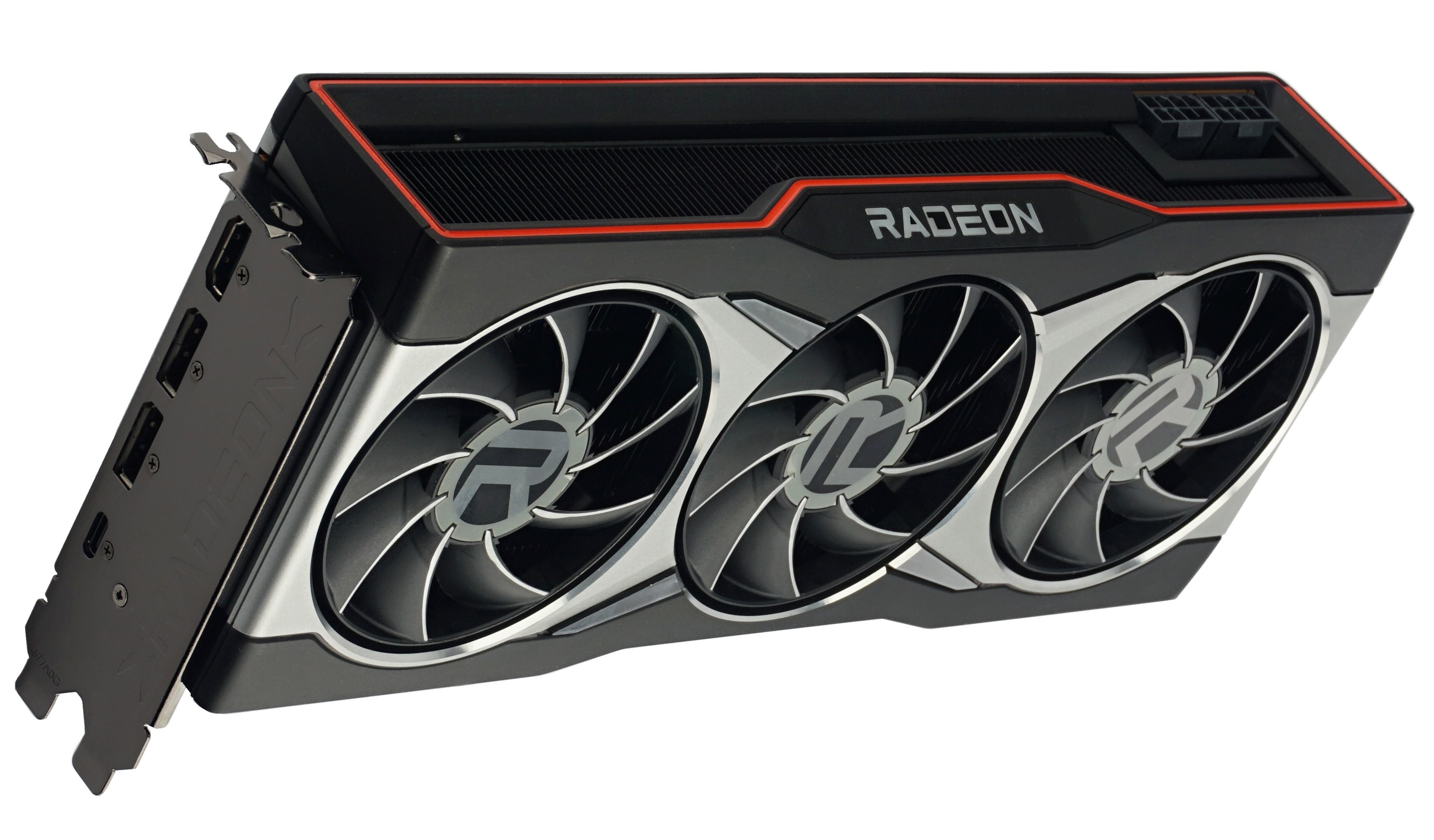
| AMD Radeon RX 6800 XT |
| + High performance (suitable for 2160p/4K gaming) |
| + Great efficiency with better performance per watt than the competing GeForce RTX 3080 |
| + Excellent price-performance ratio in terms of vector graphics |
| + Solid build quality |
| + Possible performance increase on AMD platforms (supports Resizable BAR) |
| - Weaker performance in ray-tracing graphics |
| - Luder coils |
| - Unavailability |
Assuming you’re looking for a gaming card and you don’t crave ray-tracing effects, the RX 6800 XT makes more sense. And its attractiveness is further enhanced in combination with an AMD processor with active SAM. In any case, instead of the tested reference model, we recommend looking at one of the third-party versions. The efficiency of the cooler is decent and the card is aerodynamically quiet, but the whole thing is spoiled by loud coils.
GeForce RTX 3080 is more attractive not only for ray-tracing enthusiasts, but DLSS 2.0 is also more impressive than FidelityFX CAS. In this case, you can safely reach for the tested TUF O10G Gaming from Asus. It should also be emphasized that the declared GPU boost (1815 MHz) in practice is significantly exceeded (1900–1960 MHz depending on the load). The advantage over the RX 6800 XT is also in the overall higher minimum fps, which significantly determines the overall enjoyment of gaming. Namely, by 8–14% and it is true that with increasing number of points, the lead of the RTX 3080 increases.
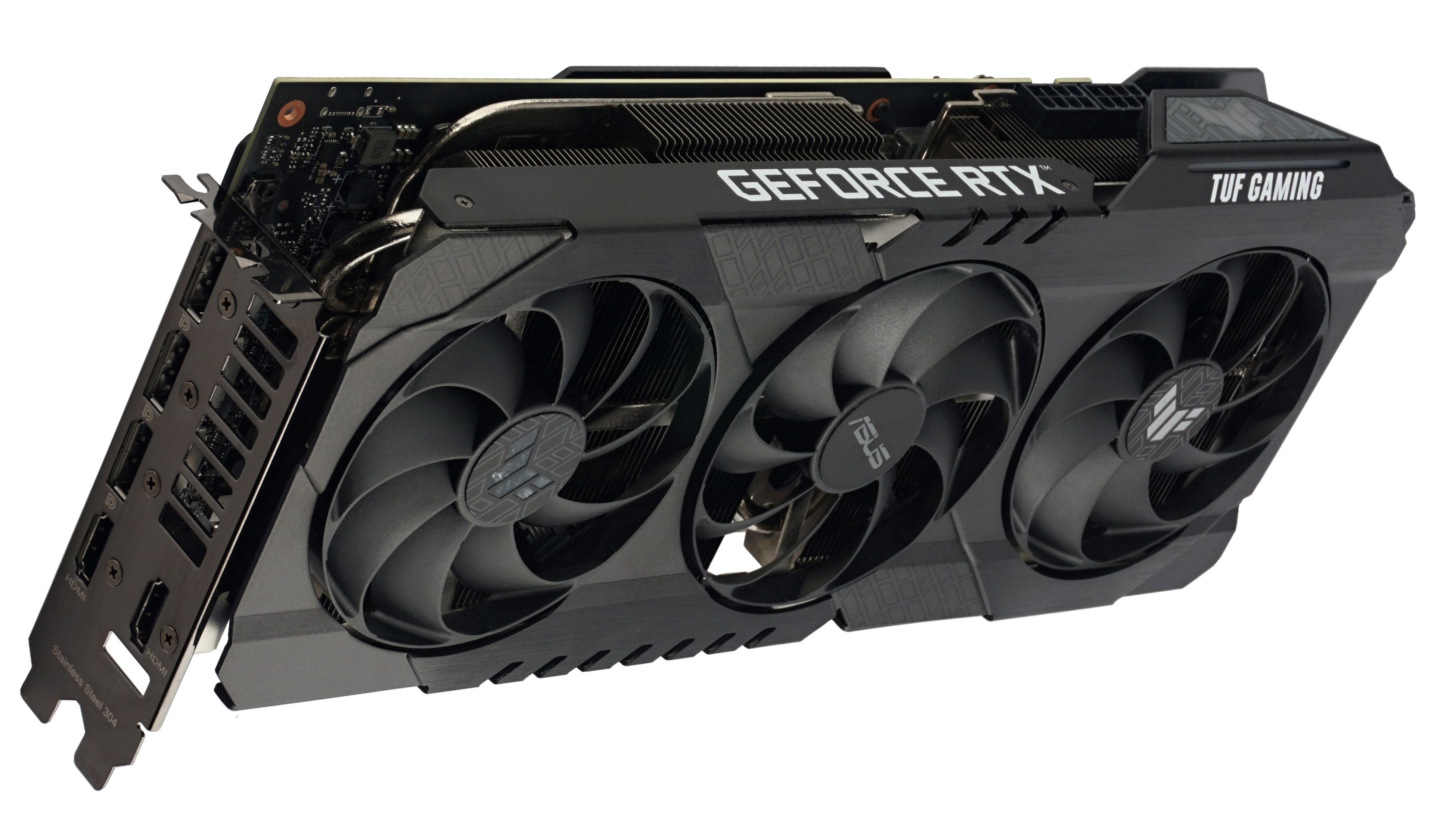
| Asus TUF RTX 3080 O10G Gaming |
| + High performance (suitable for 2160p/4K gaming) |
| + higher ray-tracing graphics performance compared to RX 6800 XT |
| + Decent efficiency (performance per watt) |
| + Overall favorable price-performance ratio (i.e. including DXR and DLSS) |
| + Exclusive support for DLSS (2.0), CUDA and OptiX |
| - Greater card depth with imminent collision in smaller cases (and almost unnecessarily) |
| - Unavailability |
If it weren’t for us starting with graphics cards and not having a database for comparison yet, it might have deserved a “Smart buy!” award. For these reasons, however, we will stick to “Approved”, that we award hardware that passes testing without obvious shortcomings, but does not fall into the category of “Smart buy” and does not rank to the top either (Top-notch).

Thank you to Spacebar for providing us with games for our tests