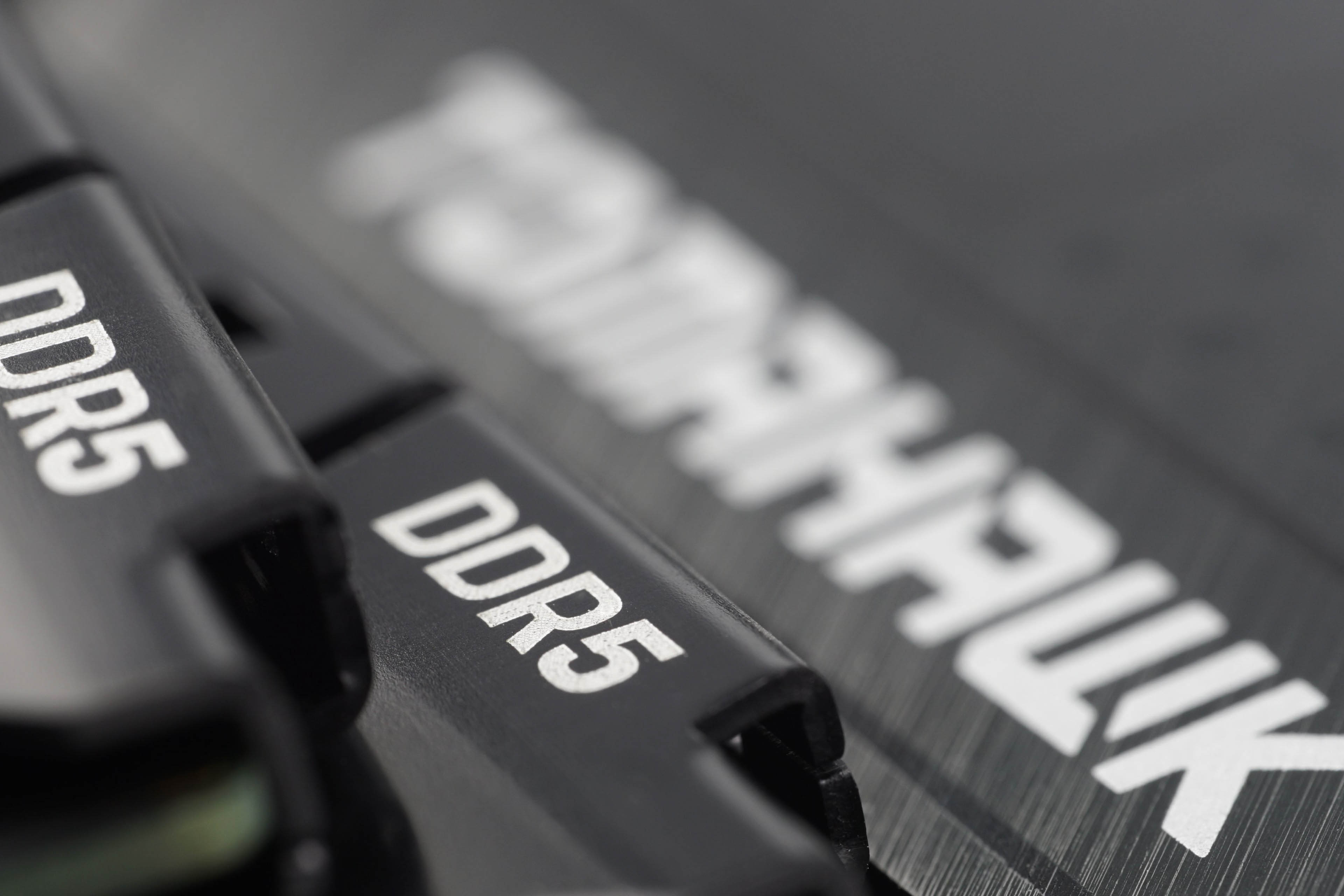
At first glance, it’s the same board as the last tested Z690 Tomahawk WiFi DDR4 with one difference, that it supports the newer DDR5 memory standard. That’s how the Z690 Tomahawk WiFi is profiled, but looks are deceiving. A detailed analysis shows that there are some differences, including ones in design. Whether it’s for better or for worse is something you’ll learn exclusively from our measurements.
Speedometer (2.0) and Octane (2.0)
Test environment: To ensure that results are not affected by web browser updates over time, we use a portable version of Google Chrome (91.0.472.101), a 64-bit build. Hardware GPU acceleration is enabled as well, as it is by default for every user.
Note: The values in the graphs represent the average of the scores obtained in the subtasks, which are grouped according to their nature into seven categories (Core language features, Memory and GC, Strings and arrays, Virtual machine and GC, Loading and Parsing, Bit and Math operations, and Compiler and GC latency).