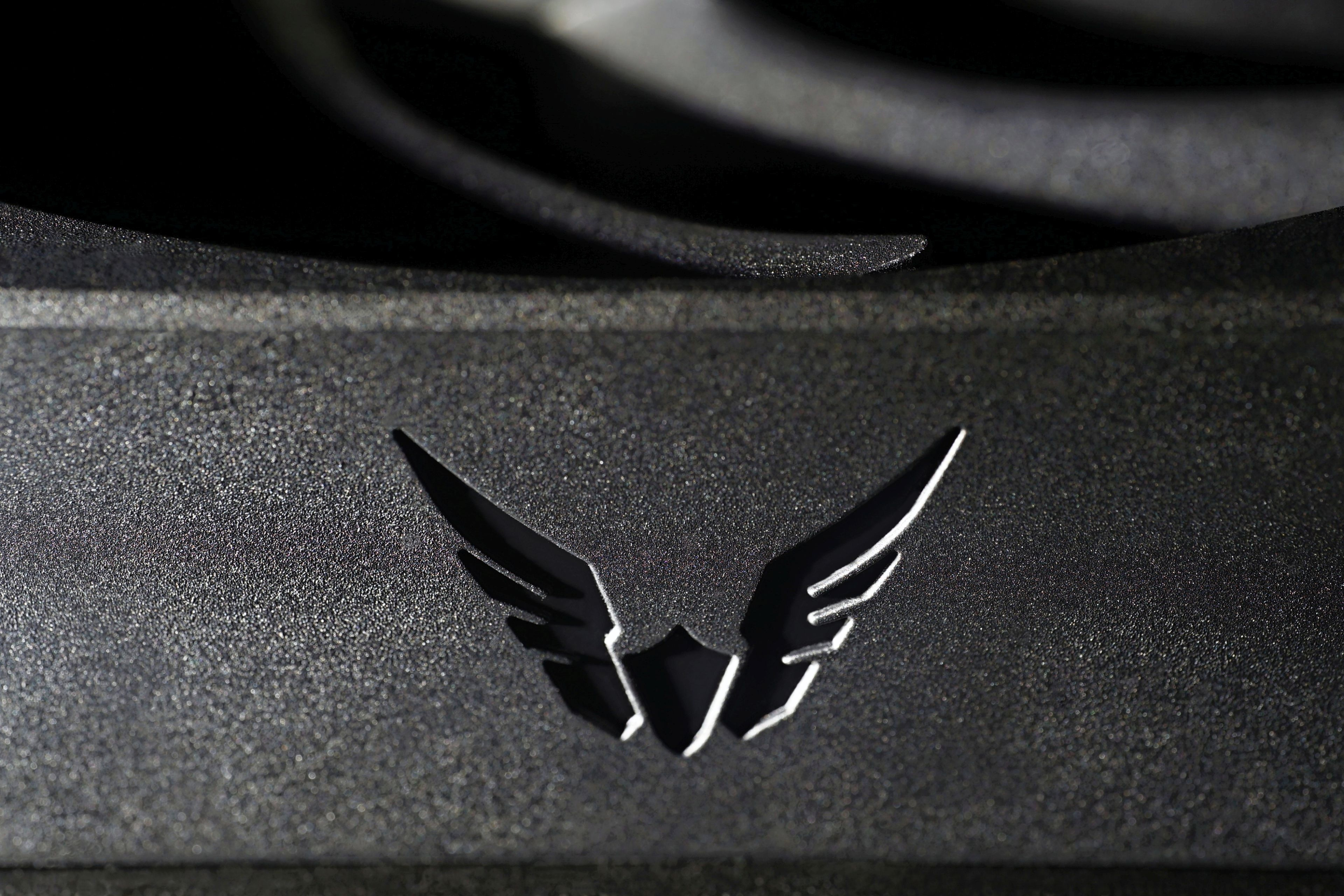
Valkyrie X12: Impressive rotor, a bit undermined by the motor

You might be saying that you know the rotor of this fan and that Valkyrie was inspired by the Gentle Typhoon D1225C a little too much. But that’s okay. Mainly the positives were taken from said template and the biggest negative – high vibrations – was avoided. And although some things could still be worked on, in the context of ARGB LED models the X12 fan fares quite well.

Results: Static pressure w/o obstacles

Explanatory note: We measure the static pressure without obstacles in two different situations – with laminarized and with turbulent intake. The results in this section reflect the first case. That is, the air intake to the rotor is laminarized by the guidance tunnel. In this setup, the fan has a larger volume of air available and the achieved static pressure values are higher. This is the optimum environment in which to measure fan parameters correctly. “Higher is better” (the result of static pressure in the charts) is only valid for comparing fans of the same formats.


Why is there a missing value sometimes? There may be more reasons. Usually it is because the fan could not be adjusted to the target noise level. Some have a higher minimum speed (or the speed is low, but the motor is too noisy) or it is a slower fan that will not reach the higher decibels. But the results in the graphs are also missing if the rotor is brushing against the nylon filter mesh. In that case, we evaluate this combination as incompatible. And zero in the graphs is naturally also in situations where we measure 0.00. This is a common occurrence at extremely low speeds with obstructions or within vibration measurements.
Contents

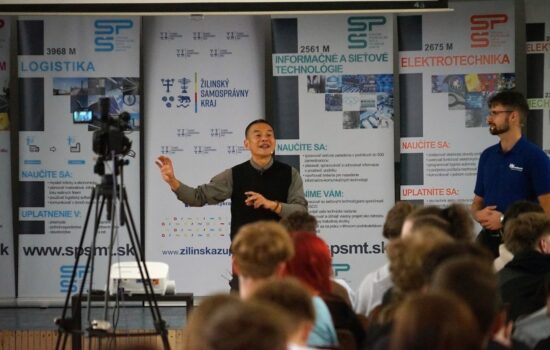
Cooling Topics at HWCooling Techtour ‘26 Belonged to DeepCool

Do you know how a heatpipe works? A DeepCool representative, in a talk at HWCooling Techtour ‘26, looked under the hood. In other words, he explained much of what often remains hidden. This included how they approach development and what they work on internally. That, too, was part of the program, which you can watch. The physical samples, which were also on display, come only at the very end of the whole journey. Read more “Cooling Topics at HWCooling Techtour ‘26 Belonged to DeepCool” »

Contents

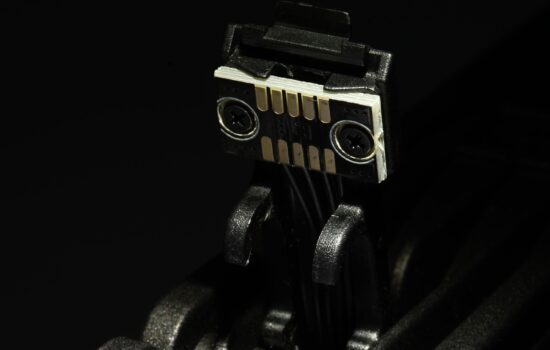
Fan frame daisy-chaining trend. When is it (not) helpful

Easier installation? Yes, that’s why it’s done. Daisy-chaining fans using contacts in their frames is great, but it often also comes with pitfalls that reduce “cooling efficiency”. Manufacturers deal with this in different ways. One does it technically one way, another differently. In any case, they know that a frame that is too thick means less space for the blades. And that does not improve airflow per unit of noise. Read more “Fan frame daisy-chaining trend. When is it (not) helpful” »

Contents

Arctic BioniX P14 A-RGB: Elegant daisy chaining is just the beginning

High cooling efficiency is the foundation, but with the BioniX P14 A-RGB fans, Arctic has also made efforts on other fronts. In addition to the clever daisy-chaining method (with the aim of reducing cabling to a minimum), this includes, for example, illumination as intense as possible. The light is guided not only through the entire impeller, but also through the surface of the frame, from the side. There are light guides in these areas as well. Read more “Arctic BioniX P14 A-RGB: Elegant daisy chaining is just the beginning” »

Contents

Leave a Reply

Your email address will not be published. Required fields are marked *