


We don’t typically disassemble graphics cards in our reviews—and for good reason. Once you take one apart, it’s hard to get it to behave exactly like it did in its original state, especially after replacing the factory thermal paste. With manufacturers who don’t skimp on thermal paste, repasting may not bring any improvement at all. In detailed measurements, we’ll look at how different paste and mounting pressure affect the card’s behavior.
The next set of tests compares the card with Arctic MX4 paste and screws tightened with three different torque values—0.1, 0.2, and 0.3 Nm. It’s important to stress that each test was run shortly after the previous one, in an air-conditioned room set to 25 °C. The ambient temperature deviations were less than 1 °C.
Cyberpunk 2077, RT Medium, 3840 × 2160 (Q mode)
Repasted card with Arctic MX4, torque 0.1 Nm
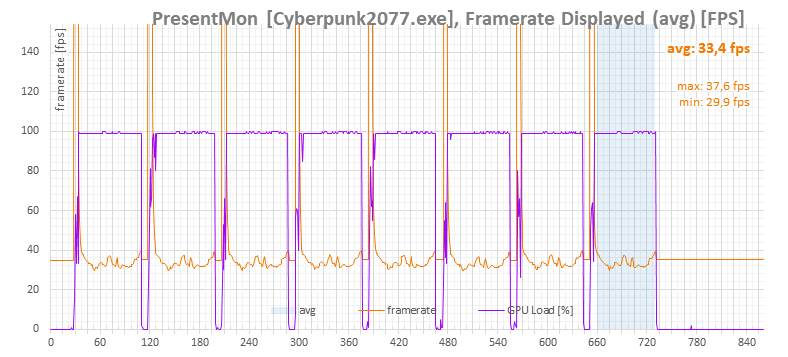
The average GPU clock differs by single-digit megahertz..
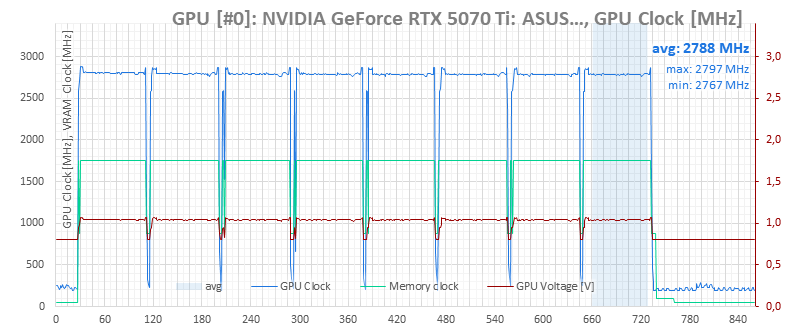
The card remained close to the 300 W power limit.
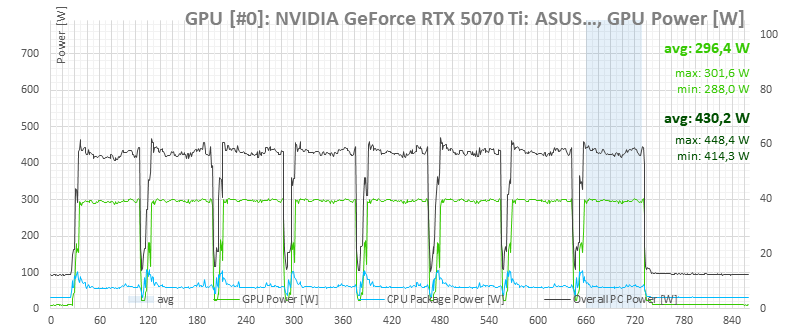
The maximum chip temperature using 0,1 N.m was 73.2 °C. Memory temperatures stayed the same at 74 °C, matching the non-disassembled card.
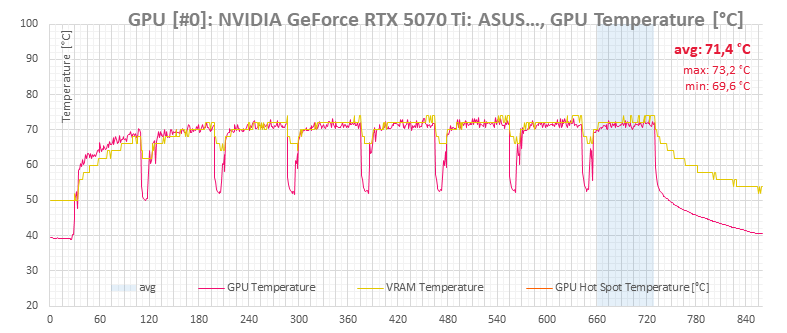
Fan speeds were at about at 1380 RPM.
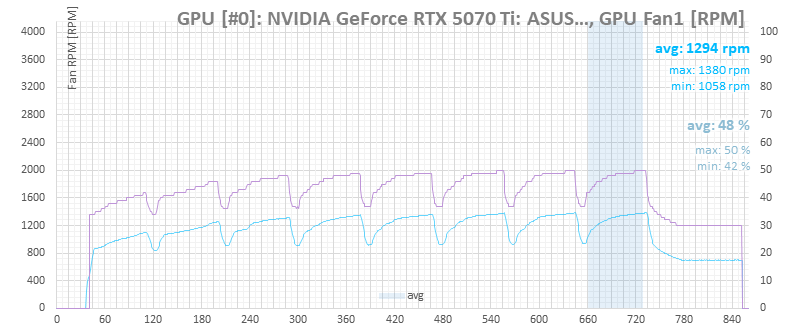
Cyberpunk 2077, RT Medium, 3840 × 2160 (Q mode)
Repasted card with Arctic MX4, torque 0.2 Nm
With a higher torque of 0.2 Nm compared to the original 0.1 Nm, the results were virtually identical.
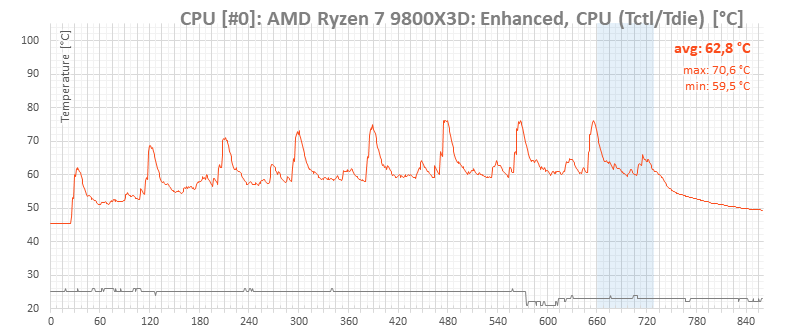
The average GPU clock differed only slightly.
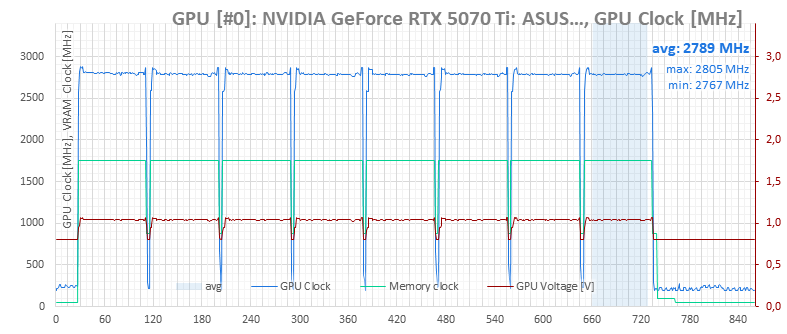
The card again hovered at the 300 W power limit.
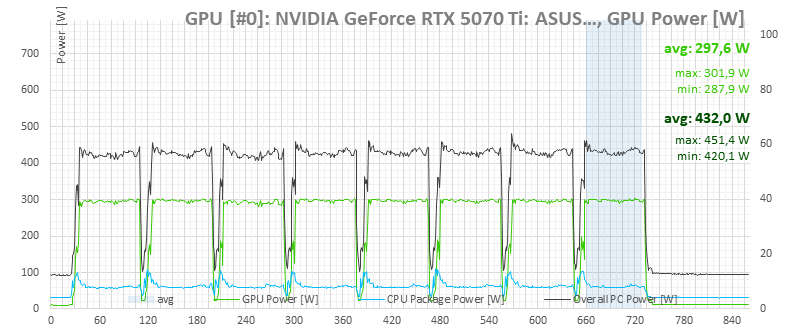
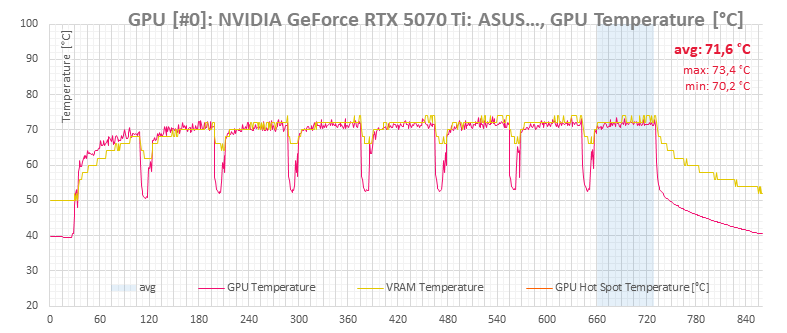
The maximum chip temperature was 0.2 °C higher—memory temperatures remained unchanged.
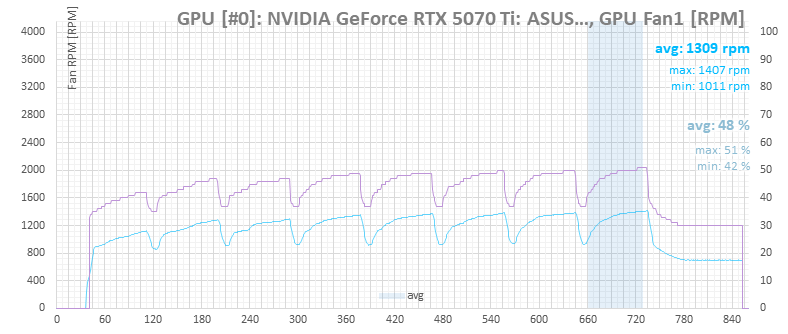
Fan speeds differed by just under 20 RPM—at 1380 RPM instead of 1477 RPM.
Cyberpunk 2077, RT Medium, 3840 × 2160 (Q mode)
Repasted card with Arctic MX4, torque 0.3 Nm
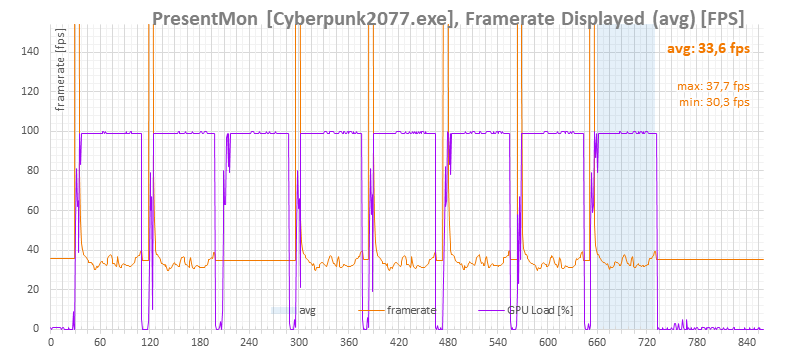
The average clock speed remained virtually unchanged.
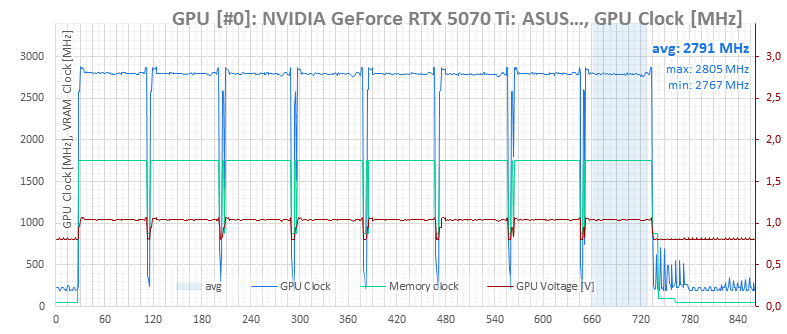
The card stayed near its 300 W power limit.
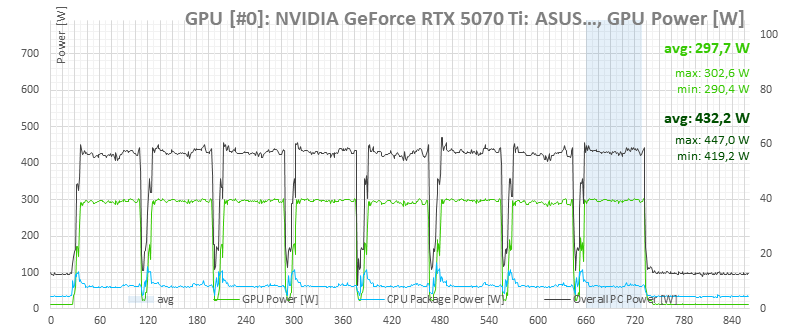
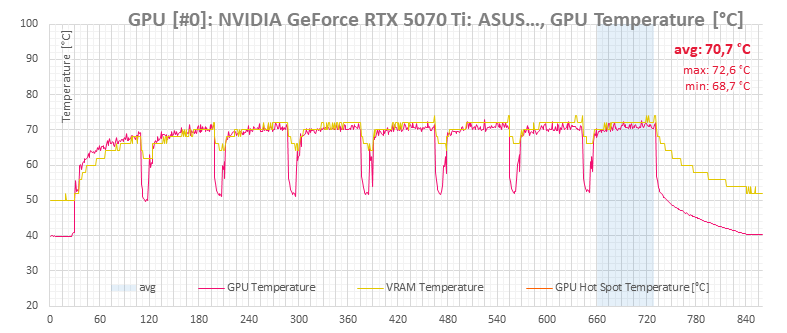
The maximum temperature of the chip dropped slightly further—to 72.6 °C. Memory temperatures stayed at 74 °C, just like on the non-disassembled card.
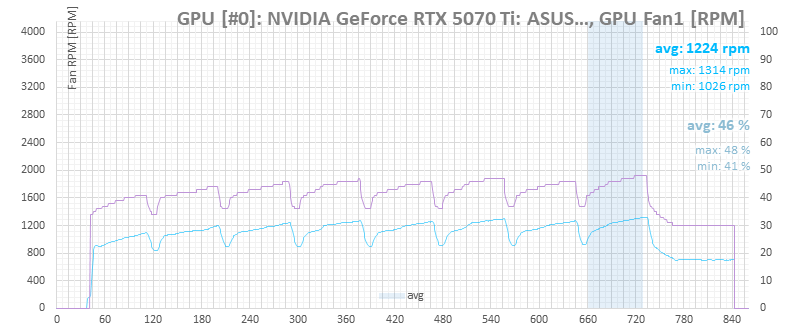
Fan speeds dropped by another ~60 RPM—landing at 1314 RPM instead of 1477 RPM. Still higher than the 1226 RPM of the card with the original thermal pad, but the difference is no longer as big anymore.
⠀



Very interesting article. I believe more and more manufacturers have moved to using quality thermal interfaces, so your results (slightly worse than stock after repasting) isn’t that surprising.
Based on what I know, a popular material they use are phase-change thermal pads like the Honeywell PTM7950, which performs excellently on low mounting pressure/direct die applications, and are very resistant to the pump-out effect which causes deterioration of performance long-term. Regular thermal paste meant for CPUs can suffer from pump-out pretty quickly.
Didn’t Asus use phase change material? Why did your card have paste on it?
Sure. I received two units of the same graphics card for review. One had already been disassembled by a YouTuber, who replaced the original phase-change thermal pad with thermal paste. That card performed worse than expected—and worse than the unit that still had the original thermal pad—so I tried to fix it by reapplying thermal paste.
It is better now but still doesn’t match the other unit’s operating performance, but I’m not sure how much of that comes down to the silicon lottery.