


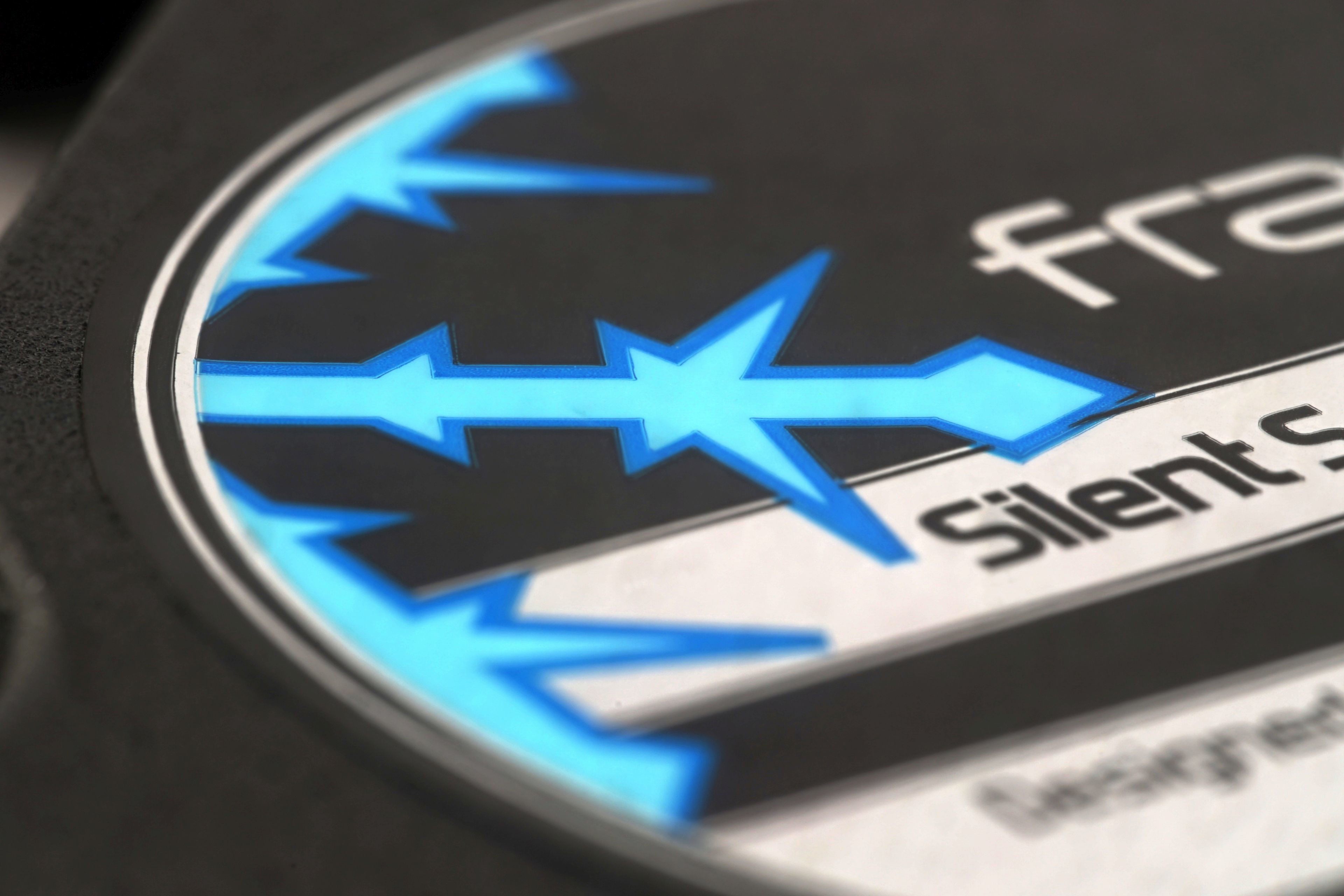
An older, even old, but still relevant fan. The selection among cheaper, 140mm models is quite small and when you look at the design of the Silent R3, it looks quite good at first glance, even technically. Moreover, it is a slower-speed fan, which doesn’t automatically mean that it avoids resonant frequencies, but it does promise to run rather quietly. And at those lower noise levels, also an attractive price/cooling performance ratio.
Basis of the methodology, the wind tunnel
Before you start reading the methodology with all the details, take a look at the test tunnel as a whole. This is the heart of the whole system, to which other arteries are connected (manometer, vibrometer, powermeter, …). The only solid part of the tunnel from the measuring instruments is the anemometer.
The shape of the wind tunnel is inspired by the Venturi tube, which has long been used to measure the flow of liquids and gasses. The Venturi effect for wind speed measuring is also known from the aerospace industry. However, the design for measuring computer fans has its own specificities, which this proposal of ours reflects.
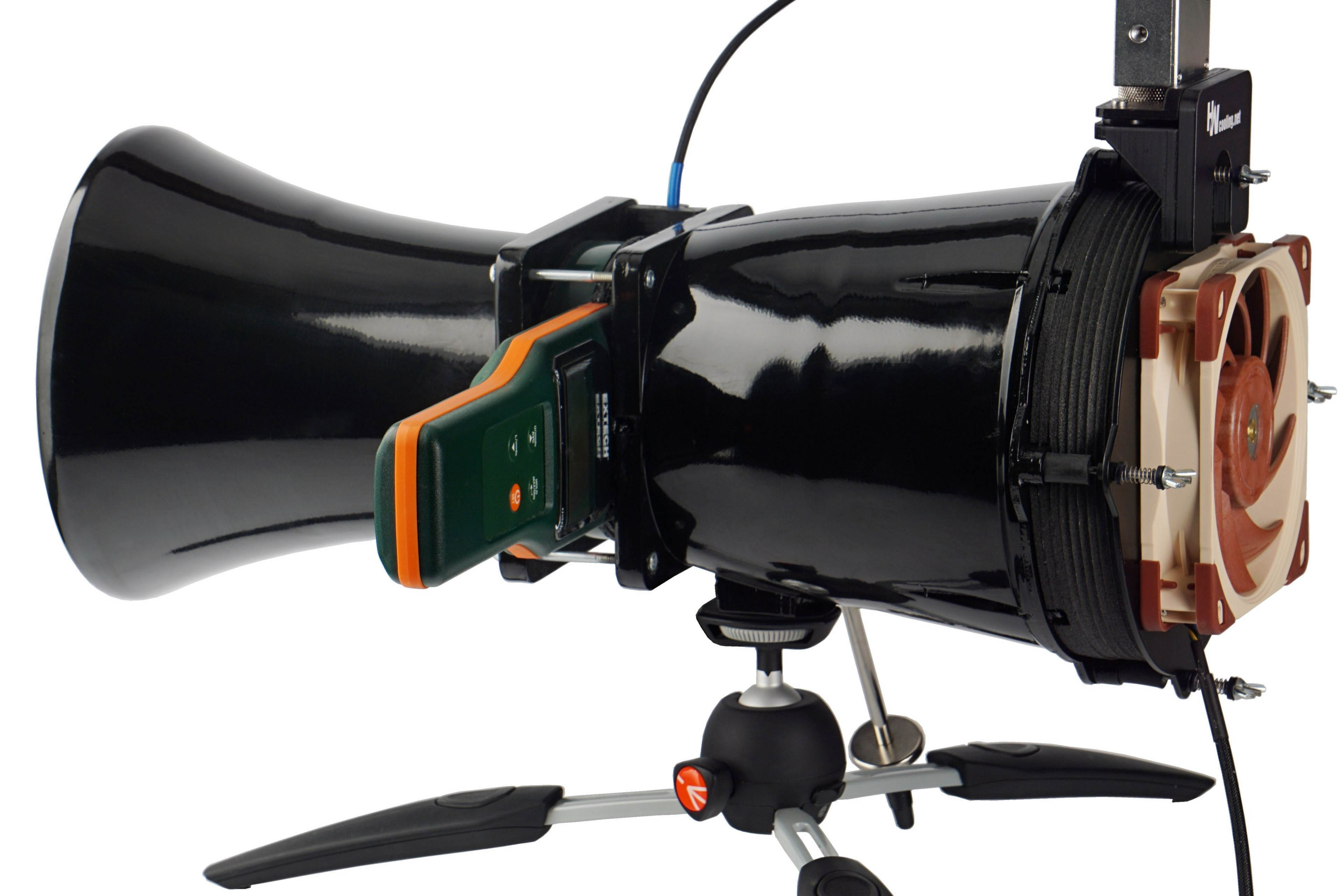
The individual parameters of the HWC wind tunnel for fan tests are the result of physical simulations and practical debugging. All the details (folds, material or finish used) have a rationale behind them and are designed this way for a specific reason. We will discuss the individual design details in turn in the description of the sub-variable measurements.
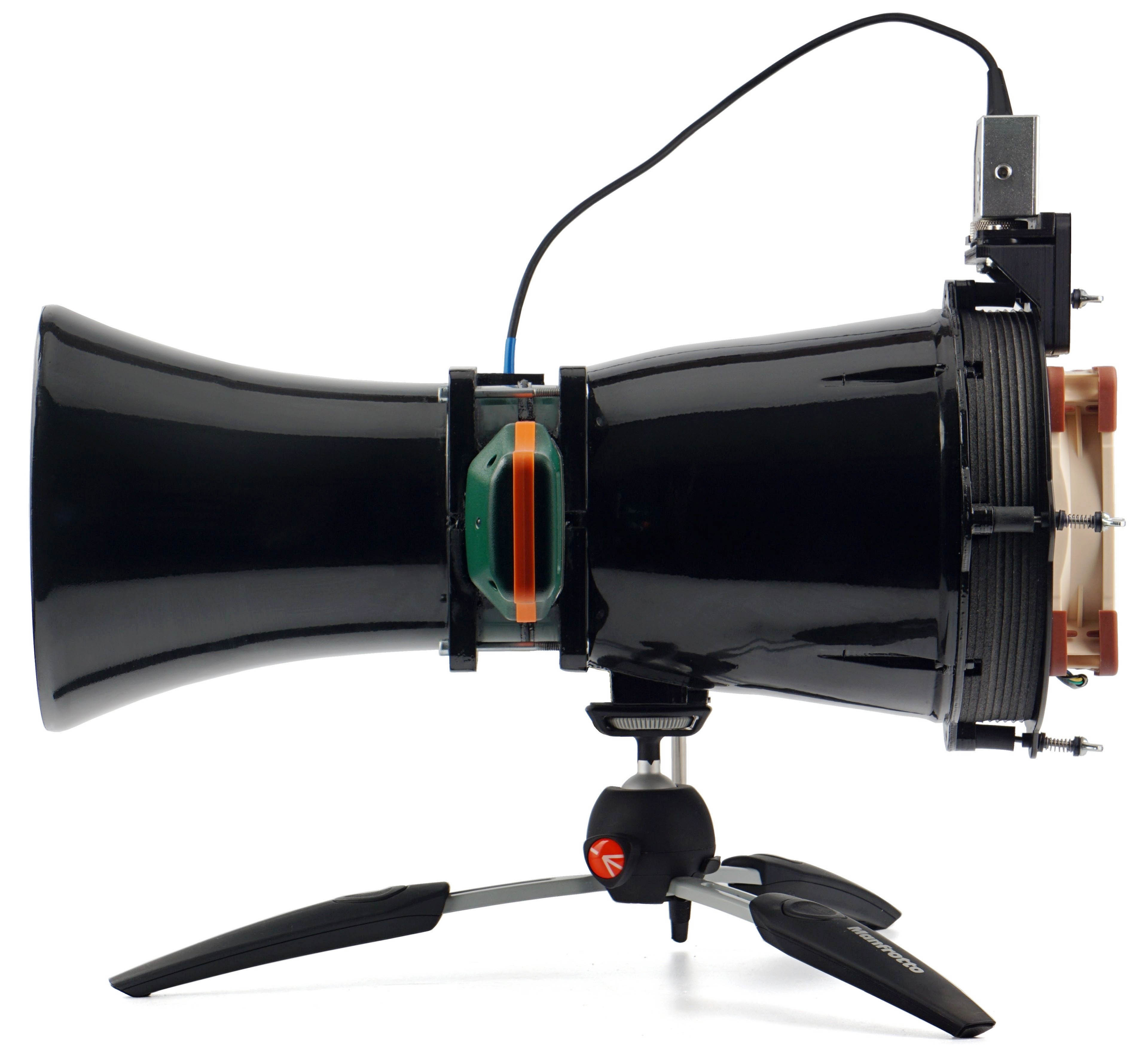
Now we will briefly elaborate on some things that do not fit thematically into the text of the following chapters. Namely, for example, that the skeleton of the wind tunnel is the work of a 3D printer (PLA). The rough print was, of course, then thoroughly machined by grinding, fusing, polishing and varnishing. Especially important is the smooth finish of the interior walls.
When joining the individual parts, the emphasis was on making sure that they fit together flawlessly, that they were sealed flawlessly (we will come back to this when we describe the test procedures for pressure measurement), but also that the joints were not loosened by use. Everything is disassemblable for servicing purposes, but it is ensured that the properties are maintained during use and, for example, even under the stress of vibration. The threads are secured with either lock nuts or thread-locking fluid. It depends on which is more suitable in which place.
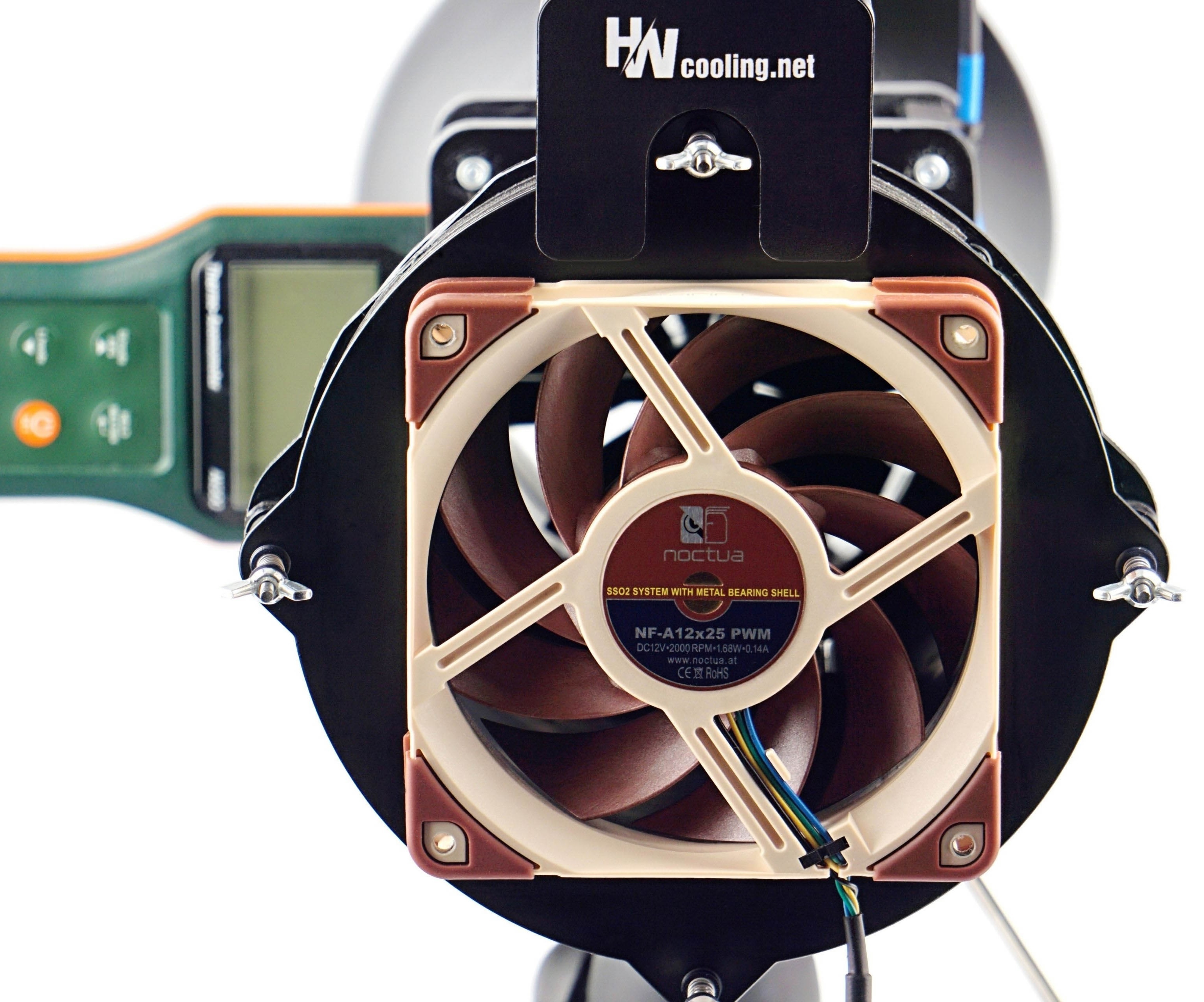
When the wind tunnel is not in use, it is enclosed in a dust-tight chamber. In addition to the technical equipment and its correct storage, it is also important for objective outputs that all measuring instruments are calibrated according to the standard. Without this, it would be impossible to stand behind your results and rely on the manufacturers’ specifications. Calibration protocols are therefore an important part of the methodology. Testing is carried out at an ambient air temperature of 21–21.3 °C, humidity is approximately 45 % (± 2 %).
Fans come to us for testing in at least two pieces of the same model. If the deviations of any of the measured values are greater than 5 %, we also work with a third or fourth sample and the average value is formed by the results of the fans that came out the most similar and the differences between them fit under 5 %.
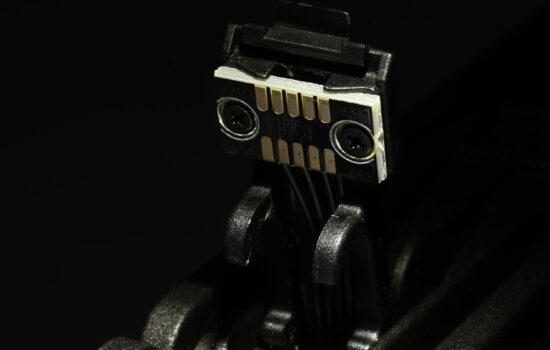




I think the R3 series were released in 2016, which aren’t too old all things considered. The lack of PWM control and low top speed probably makes them look more dated than they really are.
I had experience with the even older R2 models (included with the Node 304 case) which I couldn’t recall being noisy either, those I believe were released back in 2012 (and is still included in older case designs!)
Maybe a little earlier? On TPU there is a message about the release of Silent R3 fans from February 2015. But the NH-D15 is still a year older, even though it may not look like that, which is probably because it still has no successor and at the same time the cooler is still on the top? Personally, I also consider NF-A15 fans to be dinosaurs and Noctua desperately needs a refresh in this format, which we are so looking forward to. 🙂
Although 3-pin fans seem to be a bit outdated from a desktop point of view, I suppose from time to time some new models will appear with DC control. These can probably be made a bit cheaper… as they don’t need the PWM IC.
Don’t you remember how the R2 (we probably won’t test those anymore :)) were with motor noise? Also above standard silent, not rattling? It is possible that FD started to “neglect” fans in this respect only from Dynamic models onwards, then it went even harder with Prismas, where it was apparently (also based on user feedback) such a failure that with Aspects, there was no saving in this respect again. Their motor does not rattle, at least with the 140mm PWM variant. But perhaps this could be a common feature across all variants (of Aspects).
To be honest I have only had very limited time with the Node 304 (and the three Silent R2 fans, two 92 mm and one 140), so don’t fully trust my words. I remember not being able to hear the PC running at all when I first turned it on though (my ears were held somewhere close to the middle of the case with panels closed, not near the fans). I think there were 2-3 fan speed settings that could be toggled at the back of the case, where the highest setting is barely noticeable and the lower settings basically inaudible. Anandtech and Silent PC Review both praised the Node 304 for its silence (which is why I chose the case in the first place) so it’s very possible that the fans indeed do not emit annoying noises.
It is good to see the seperated results of 140mm and 120mm.
It seems that Silent R3 can be summarized as, low efficiency, low max performance and low noise. Actually, I don’t like this type of fans, because the feature of ‘3L’ really doesn’t offer any meaningful merits.
But still, if the comparison is only set as stock fans of a case, Fractal’s fans can be regarded as decent fans. They have silent driving noise and good build quality.
I understand and I also find it hard to find any advantages on fans with lower maximum speeds. Especially if it’s a comparison with models that have high (and noisy top speeds) rpm, but at the same time have a very wide range, so they can be slowed down considerably. But maybe we are looking at it from the point of view of users who like to adapt and tune things? For those who don’t get excited about this and just want to plug and play, maybe the advantage of low-maximum-speed fans is that the operation will never be too noisy, regardless of how the motherboard has the default speed curve set? If it has an aggressive curve, then liquid coolers with typically high speed fans (even with 2250+ rpm) are quite inefficient, as the cooling performance does not scale much with the higher than standard airflow.
DC fans with lower max. speeds can find good application in devices without the possibility of regulation. In such, which are powered from a single, 12 V branch, similar to, for example, 24 V 3D printers? But again, in modern desktops, with wide possibilities of adaptation and control by linear voltage, I also don’t see it as something to go for. Most of the boards also have, moreover, something like a “silent” mode with reduced PWM duty cycle and perhaps a fixed voltage in the default settings for speed control of the system headers, as long as there are DC-only models.
Usability of low speed fans are these nowadays almost oldschool switchable fan controllers on cases which used to be rather standard 5-10 years ago. They usually have just two or three speeds to choose and with fast fans it just works bad – too much difference between modes and usually all too loud.
Case manufacturers want to satisfy the needs of a wider range of users while reducing costs to an appropriate level. I think this is why manufacturers include this type of fans on their cases. Of course, I understand the point of view of users who aren’t interested in moding(even including entering to UEFI) and some applications(i.e. a water purifier) that need a low airflow without any control.
Personally, I hope case manufacturers release some cases without any stock fans or with fans(such as Arctic P12) which have a high efficiency and low max performance. Of course, the commercial potential of such products is not so great, so I think it is unlikely that they will appear on the market.