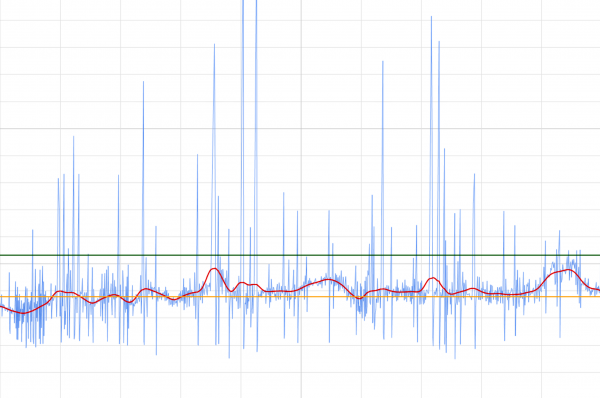
So which ones? Vibrations of more than a hundred PC fans collected in one place, in both 120 mm and 140 mm formats—the ones most widely used among PC builders. Some models vibrate more, others less, or not at all. The scenarios vary, as is natural. The task is to make sense of it all based on exact measurements. These are compiled into clear graphs. Yes, you’ve seen them before. Read more “Analysis: Which PC fans vibrate the least?”
Small VRAM heatsink on a SSD NVMe? Cheap and efficient…
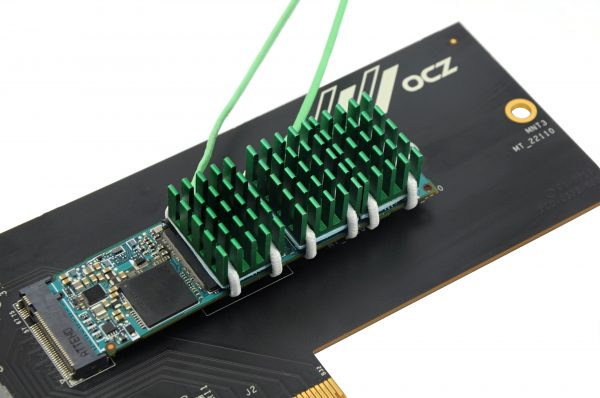
After the review of SSD coolers, we found some long-forgotten GPU memory heatsinks. Of course, we tested them right away and the results were excellent. It makes us wonder if (and when) is it worth to pay for commercial solutions, because a set of these small “hedgehogs“ costs up to five euros and one packing is usually enough for more uses. Read more “Small VRAM heatsink on a SSD NVMe? Cheap and efficient…”
From now on, we also test performance of CPU and iGPU
We’ve decided that it would be reasonable to put some performance tests to our reviews of all products that have some computing power. We will keep focusing on operational features and we will continue to analyse them in depth, of course. We are just adding a general illustration of performance for better orientation so you do not have to look for it elsewhere. Read more “From now on, we also test performance of CPU and iGPU”
New challenge: OC of Xeon on a Asus board with 2× LGA 3647
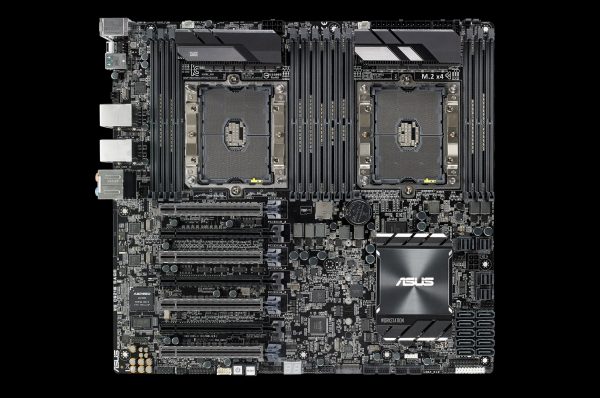
This summer, Intel and AMD introduced processors with significantly higher power consumption and heat output: Threadripper with 180W TDP and Skylake-X that does not fall behind. After OC, both can consume over 300W (and Core i9-7980XE even more). These are new challenges for cooling, but maybe they are not the final “boss”. It looks like OC possibilities will now open for the latest generation of Xeon servers with 28 cores. Read more “New challenge: OC of Xeon on a Asus board with 2× LGA 3647”
Duel of SSD coolers: Alphacool HDX M.2 vs. EKWB EK-M.2
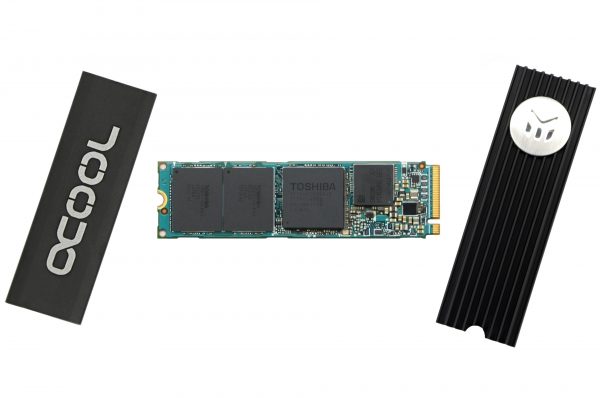
With increasing IOPS, SSD cooling demands also increase. This applies even to powerful models (NVMe) for common customers. In most cases, controllers can take a lot, but high temperatures do not add to their performance nor lifespan and they can cause problems even in very quiet computers or in a room with higher air temperature. An additional heatsink can do wonders. Read more “Duel of SSD coolers: Alphacool HDX M.2 vs. EKWB EK-M.2”
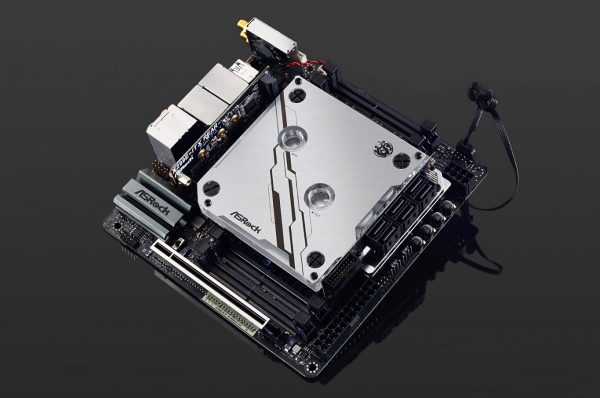
Mini-ITX board for Skylake-X processors and a water block for it
Mini-ITX boards are great when you want to have the smallest computer possible. They were originally meant for economical low-profile PCs, but today they are also used in gaming computers. However, small size can also be practical on a workstation, so it’s nice to have Intel Skylake-X processors with 18 cores available with ITX format now. It will be possible to buy a Mini-ITX board with the LGA 2066 socket. Read more “Mini-ITX board for Skylake-X processors and a water block for it”
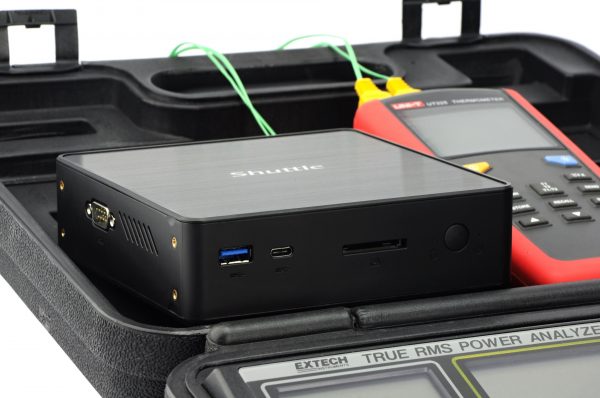
Shuttle NC03U5: Core i5 in a case smaller than one liter
A powerful energy-efficient processor makes this barebone optimal for a more demanding office or for multimedia. Its format is minimalistic, which in other words always means a challenge that is often accompanied by various compromises. Nearly hundreds of measurements can tell you more about how the Taiwanese manufacturer managed to create simple but effective design. We also included tests without a fan. Read more “Shuttle NC03U5: Core i5 in a case smaller than one liter”
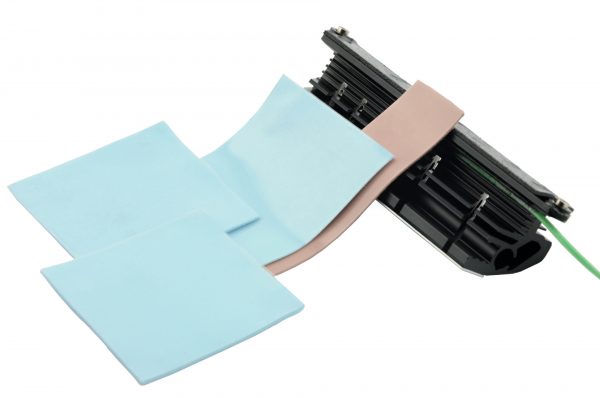
Test of “chewing gums”: 3× Arctic and Thermal Grizzly Minus Pads
Thermal conductive pads are useful wherever a thermal paste cannot be reasonably applied. A good example are power supply circuit of graphics cards and processors, so the choice of test subjects was unambiguous. It was less clear, however, what thickness of pads is most effective, if it is better to pay for more expensive ones, and what improvement to expect. Read more “Test of “chewing gums”: 3× Arctic and Thermal Grizzly Minus Pads”
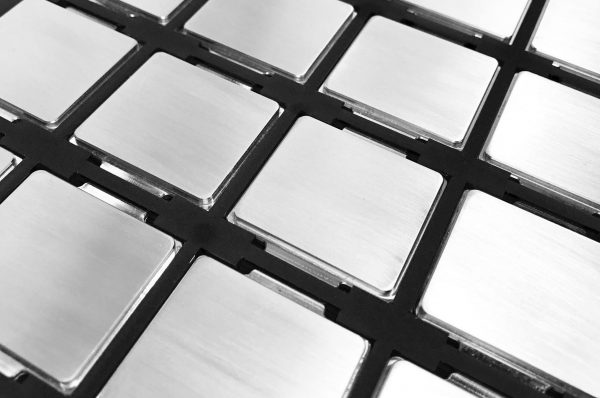
New way to lower processor temperatures: a silver heatspreader
Intel’s new processors have once again come to market with a not very efficient paste. It is odd that the company still does not have any special brazed editions because the demand for better solutions is obvious and Intel is creating good business for other people and companies this way. With Coffee Lake processors, it seems that the “commercial“ delid will be a full hit and will bring a pretty expensive and extravagant innovation. Read more “New way to lower processor temperatures: a silver heatspreader”
Which X370 for 175 EUR: Asus ROG Strix or Gigabyte Gaming 5?
Two boards for the same price but with different approach. After reviewing the key elements of their layouts and examining fan control options, you can look forward to a large portion of temperature and consumption comparisons. Let’s find out which one of these AMD Ryzen boards fulfills your expectations better. Read more “Which X370 for 175 EUR: Asus ROG Strix or Gigabyte Gaming 5?”
Companies offer servers that will heat your home
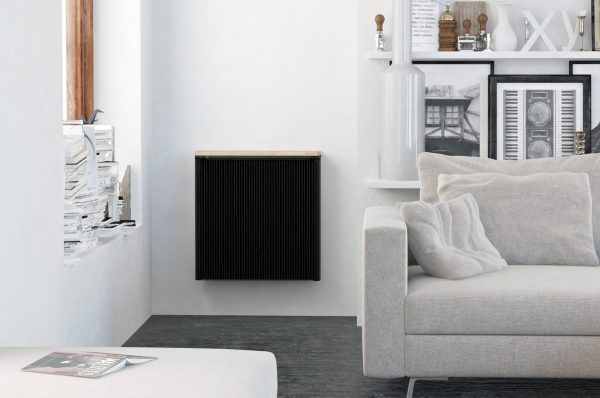
Heat and consumption are enemies of computers. But even this bad master can be turned into a good servant. Have you ever been kidding about heating your room with your computer in the winter? It does not have to be a joke anymore because there have been attempts in the world to commercialize this use of computing power. Read more “Companies offer servers that will heat your home”
With X299, temperatures and cooling will be really important
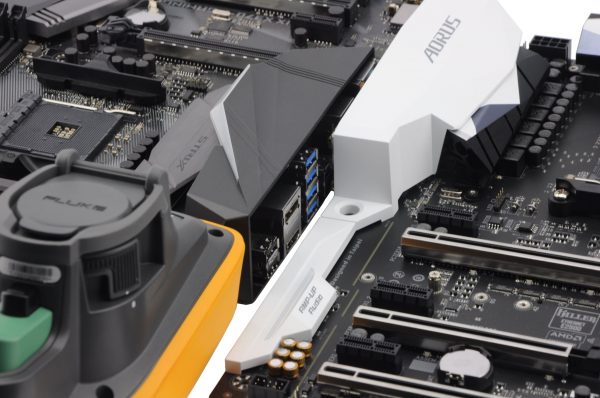
During the recent years, TDP of processors have been declining, 65 W chips have become mainstream, and the things we write about have become a little less important. But this week’s reveal of extreme Intel processors indicates that the competition is now pushing the manufacturers back to straining the hardware to the edge and making things probably much more hot than cold. Read more “With X299, temperatures and cooling will be really important”
Thank you for your support! (+ looking ahead)
Time flies by really fast. Two weeks have passed since we launched our web and so far it has been viewed 30 000 times, which is absolutely amazing for a new magazine! Your support and feedback is our motivation to work hard. We know that the content does not expand as quickly as you would like it to, but be sure that we are doing everything we can to make it up to you as soon as possible. Read more “Thank you for your support! (+ looking ahead)”
Test of 27 thermal compounds, part 2
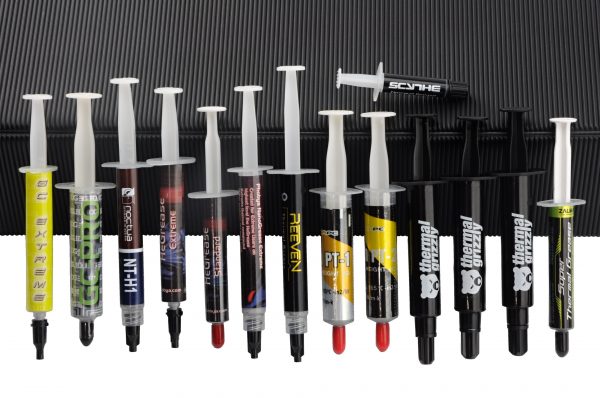
The second round will be especially interesting for people who want to find the best solution for a standard use. The winner is a big surprise. Gelid, Noctua, Phobya, Reeven, SilentiumPC, Thermal Grizzly or Zalman? We can give away that it is not an expected favourite this time. We enjoyed a nice competition in the middle category, where it takes a lot to keep making a difference. We also tested OEM paste from Scythe as a bonus. Read more “Test of 27 thermal compounds, part 2”
Arctic Freezer 33 tasting different heat intensities
From the previous tests, you already know that Freezer 33 loses its breath quite quickly in tower cases. But it does not have to be always like that – the distinctive performance difference between the vertical and the horizontal position appears only with certain cooling efficiency requirements. At 90 W, the cooler performs differently than at 180 W. Interesting is also the comparison on the “big” Haswell-E and on the “small” Kaby Lake. Read more “Arctic Freezer 33 tasting different heat intensities”
Spreading a thermal paste: how and how much?
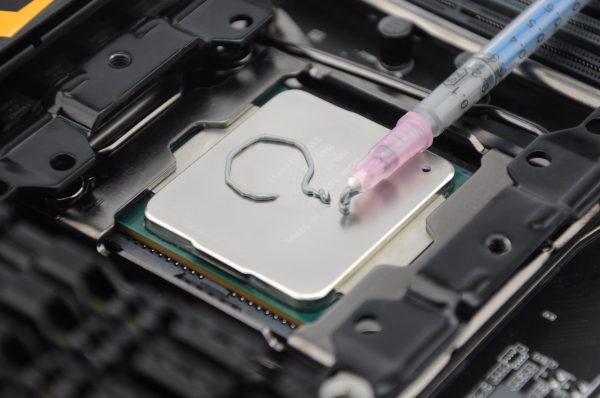
A drop in the middle, a cross, spread it with finger, or use an old credit card to smooth it perfectly? Even simple things like applying a thermal paste under your cooler can be a bit tricky sometimes. Commonly used methods are seemingly different, and if you also consider batching, there comes a question of how to it to achieve the best results. Read more “Spreading a thermal paste: how and how much?”


Latest comments