




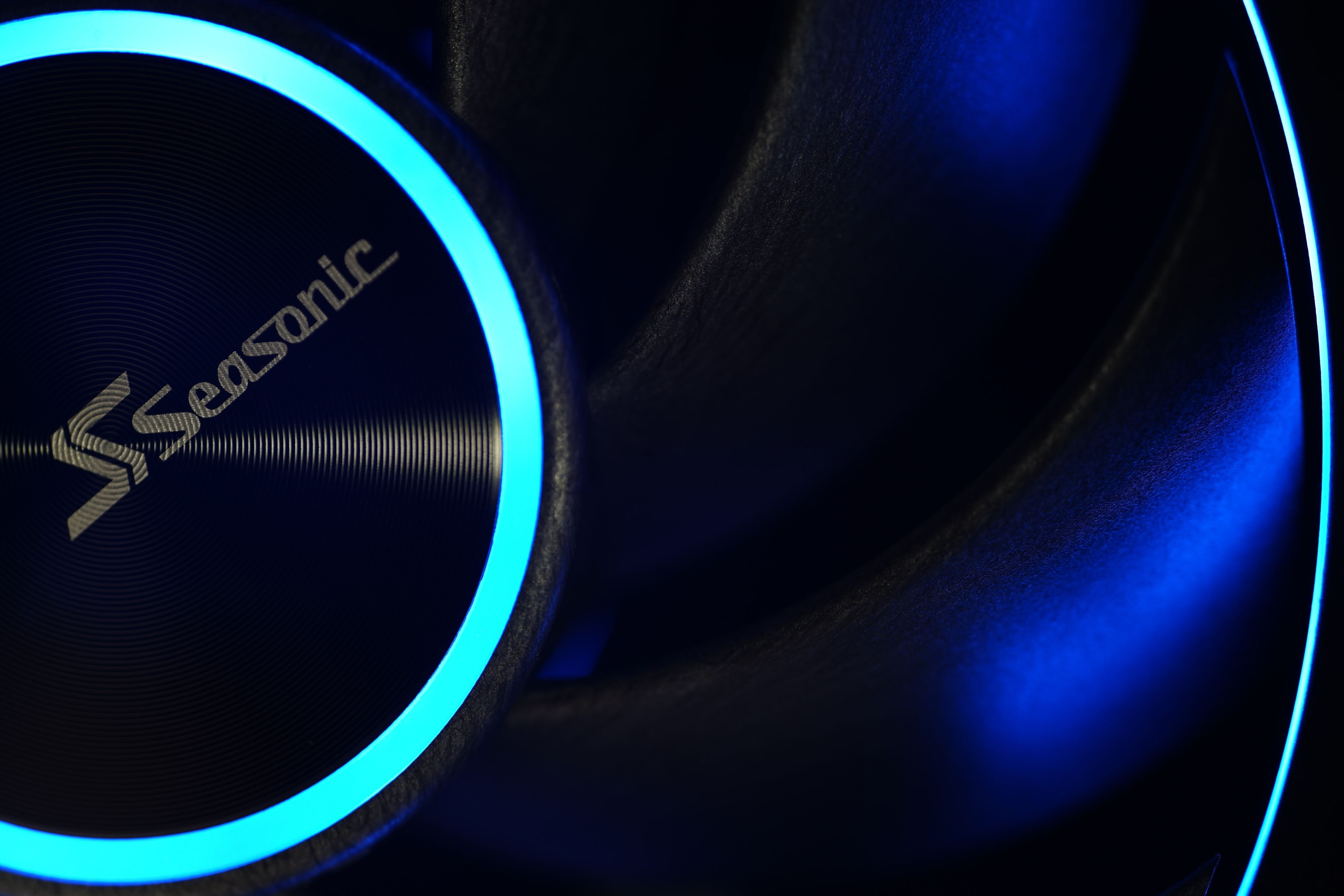
A concept in which an LCP impeller and ARGB LEDs meet is particularly rare. But it has enormous potential for achieving top-notch results. That is, as long as everything fits together optimally and there are no weak spots somewhere that increase the noise level. There are still a few things to tweak with the MagFlow ARGB fan, but already now, in its current form, it is a premium fan, and not only among lighted models.
Measurement of static pressure…
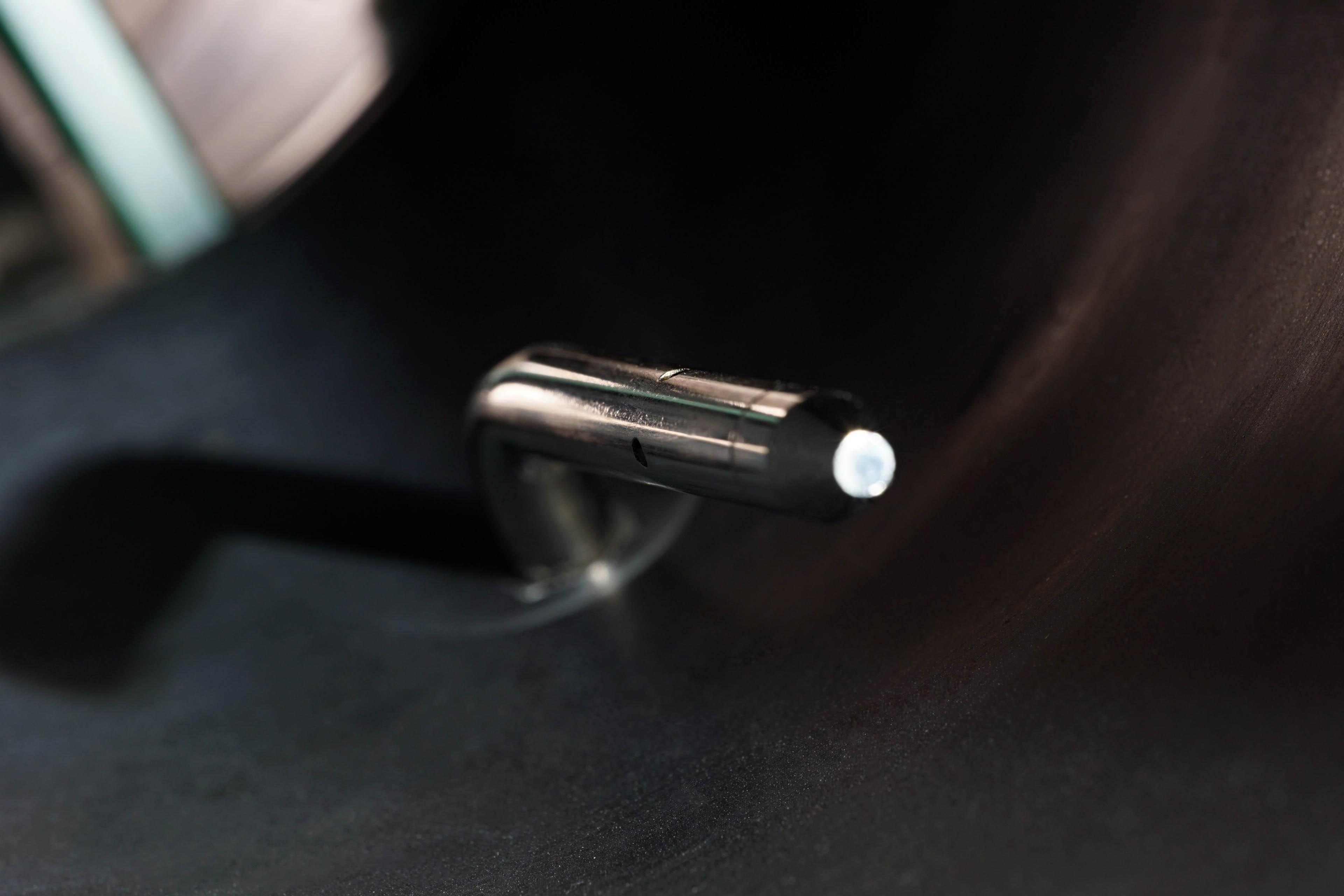
Finally, it is time to move further down the tunnel a bit. Just behind the fan is a static pressure sensing probe. Its position has been chosen with maximum measurement efficiency in mind. In other words, the sensors are placed at the points of highest pressure (although this is virtually the same everywhere in the unconstrained part of the tunnel).
The Fieldpiece ASP2, which is connected to the Fieldpiece SDMN5 manometer, is used to measure the static pressure in the tunnel. The latter also allows measurements in millimetres of water column, but we measure in millibars. This is a more finely resolved base unit for this meter. And only from there we convert the measured values into mm H2O to allow easy comparison with what the manufacturers state.
While we wrote when measuring noise levels that our results could not be compared with the parameters, that is no longer the case here. As long as the fan manufacturers do not embellish the parameters, they should quote approximately the same pressure values as our tests show. The most significant deviations can only arise at the level of varying accuracy of the measuring instruments, but these are negligible percentages.
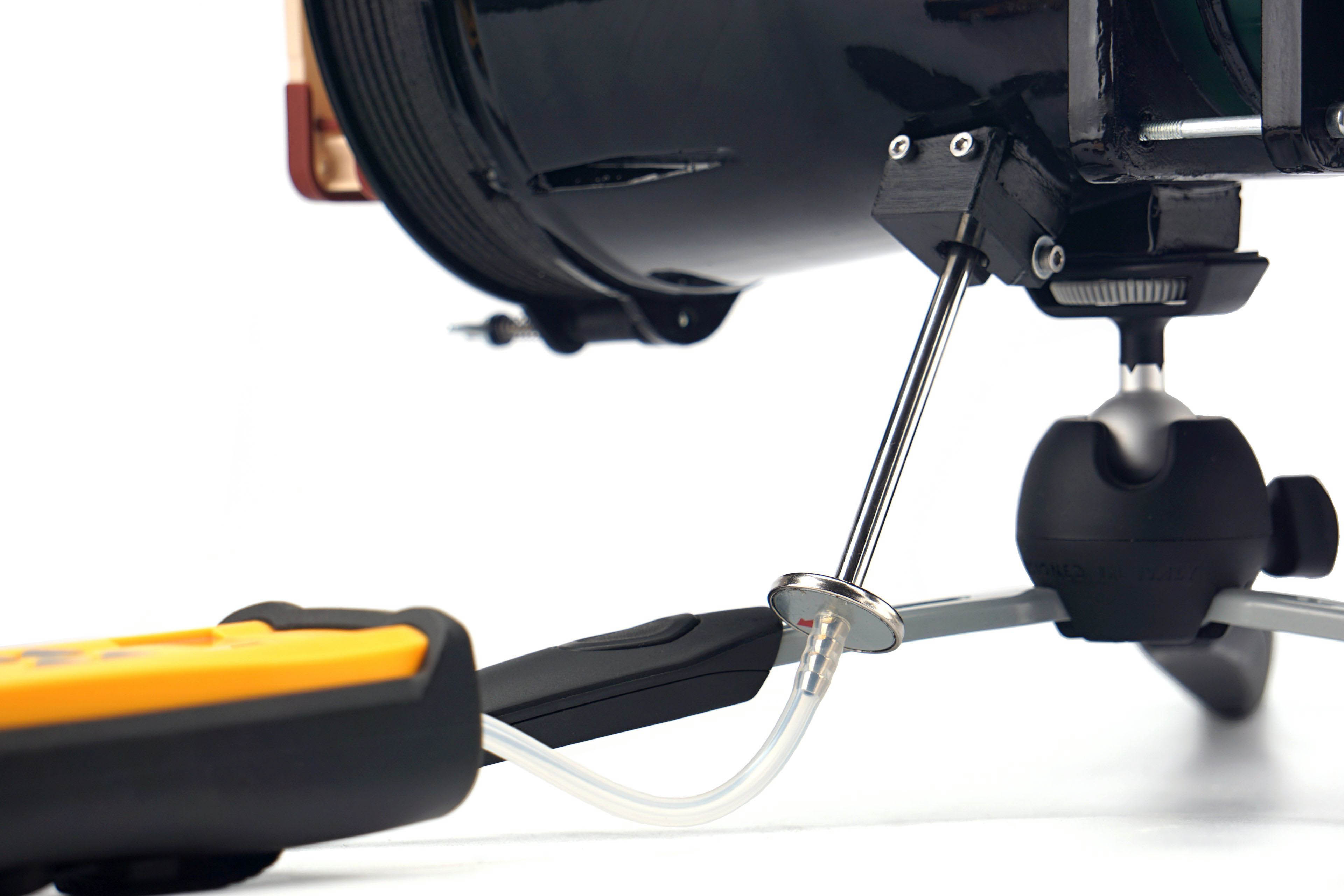
The greater the difference between the manufacturer’s claimed values and ours, the less the specifications correspond to reality. If the claimed values are significantly higher, it is certainly an intention to artificially give an advantage to the fans on the market. However, if the manufacturer quotes a lower pressure value than we do, it points to something else. Namely, a weaker tightness of the measuring environment. The less tight the tunnel is, the lower the pressure you naturally measure. This is one of the things we tuned for an extremely long time, but in the end we ironed out all the weak spots. Whether it’s the passage for the probe itself, the flanges around the anemometer, even the anemometer frame itself, which is made up of two parts, needed to be sealed in the middle. Finally, the flap at the tunnel outlet must also be perfectly tight. That’s because static pressure has to be measured in zero airflow.
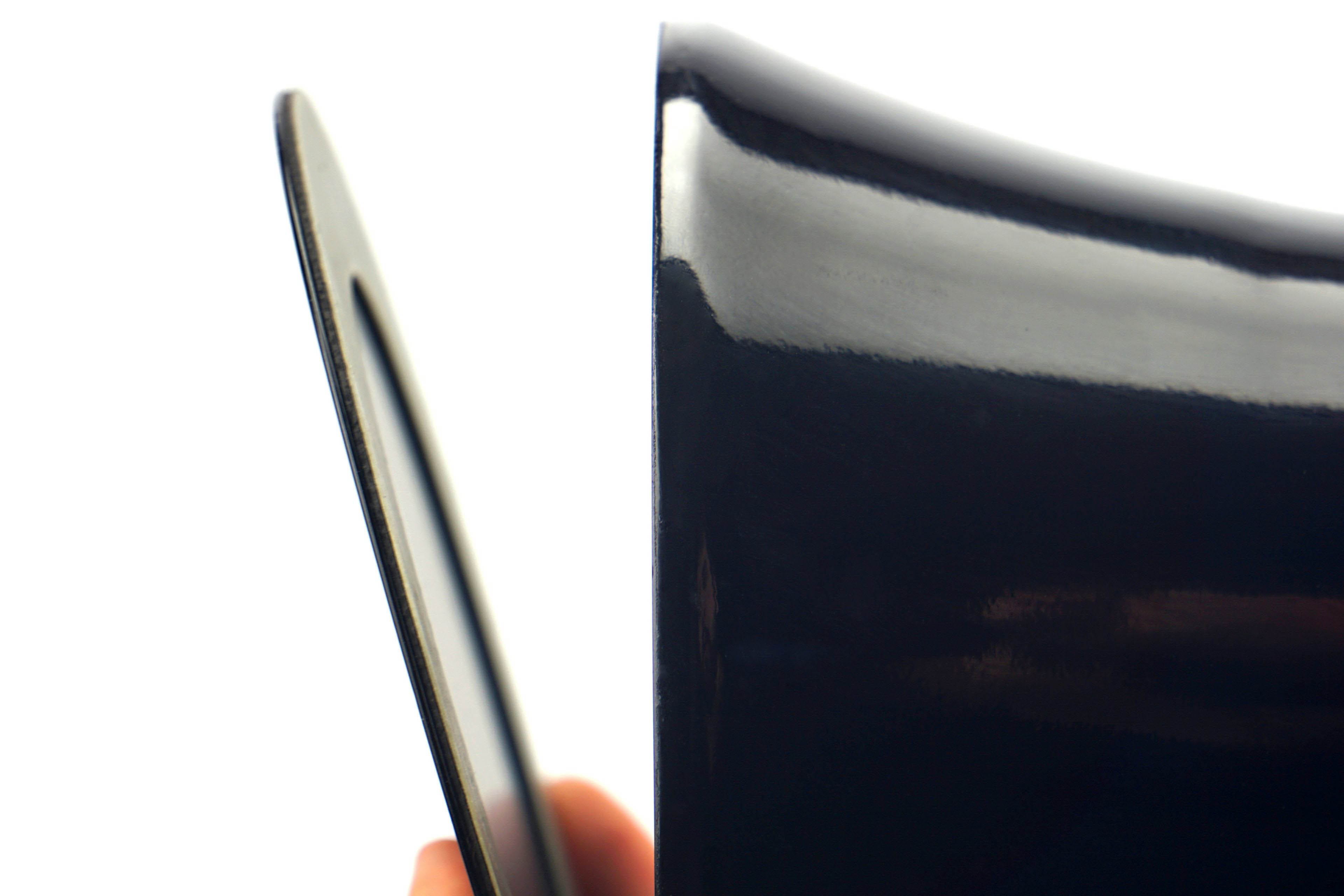
But there is one thing that often lowers the pressure of the fans a bit. And that’s protruding anti-vibration pads in the corners or otherwise protruding corners. In other words, when the fan doesn’t fit perfectly to the mounting frame at the inlet, and there are small gaps around the perimeter, that also affects what you measure. But we have not gone into this because it is already a quality feature of the fan. In the same way, it will “stand out” and perform a bit weaker than it has the potential to do with better workmanship, even after application by the end user.




Hmm, that’s worse than I thought for an LCP fan with Gentle Typhoon-like rotor, only trading blows with the much cheaper Arctic P12 ARGB. Perhaps the impeller footprint is the main culprit here, alongside the motor and bearing.
Comparison with the Grand Tornado would be interesting, as they represent two extremes of impeller footprint while having similar blade geometry.
Yes. Thank you for the heads-up, we have added one more negative to the +/- table, namely that the vibrations at some speeds are higher than they could be for the standards of LCP fans. There is probably some imperfection at the level of the bearings, for which this happens in combination with this impeller.
I have no doubt that the impeller itself will be well aligned and the fault will be elsewhere. At the same time, it won’t be some random thing, as these fans behave identically across different samples. It’s hard to say where exactly the weak point is, but maybe it could be suppressed or compensated for in some way. For example with balancing inserts, like the Phanteks T30. And maybe they wouldn’t help at all, there’s probably no point in speculating here and you just have to accept the fact that the vibrations can sometimes be higher for an LCP fan than one would expect.
Still, this is only Seasonic’s second fan and I have no doubt that with each new one more and more flaws will be removed and eventually the result will be very positive. We gave them a tip for an “Arctic P12 with an LCP impeller”. Personally, I would be very interested to see how such a design, with a very precise build, would stand up to, for example, the NF-A2x25 or the T30. I guess it might not be a bad thing, since even the P12, with its noisier low frequencies, which could be significantly suppressed after blade stiffening, ends up at the top of the performance charts. The question is whether with a significantly heavier impeller the small hub could be retained, as it could probably cause some instability.